
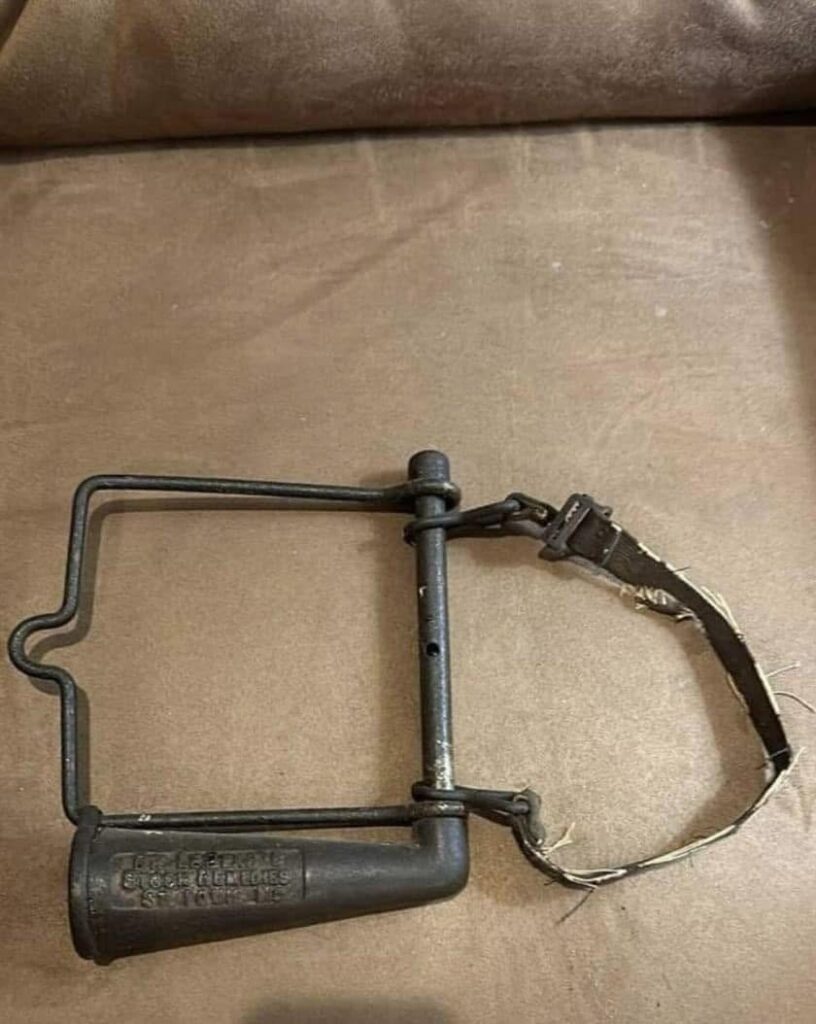
Why Drenching Was Necessary
Before modern paste syringes, flavored medications, and advanced veterinary treatments, many remedies were administered in liquid form.
Conditions commonly treated included:
Colic
One of the most feared conditions among horse owners.
Various oils and solutions were used in attempts to relieve digestive blockages and discomfort.
Internal Parasites
Before modern dewormers, liquid treatments were often the primary method of parasite control.
Nutritional Deficiencies
Farmers sometimes administered supplements to working horses during demanding seasons.
Recovery Care
Weak or dehydrated animals occasionally received liquid support through drenching methods.
The Challenges of Early Veterinary Medicine
Treating horses in the early 1900s required patience, skill, and ingenuity.
Veterinarians often traveled long distances carrying limited equipment.
Many rural horse owners performed treatments themselves based on local knowledge and experience.
The horse drencher represented an important advancement because it:
- Improved medication delivery
- Reduced waste
- Increased treatment consistency
- Allowed larger volumes of liquid to be administered
Why Brass Was the Material of Choice
Brass was widely used in agricultural and veterinary tools for several reasons.
Durability
Brass could withstand years of use in barns and outdoor environments.
Corrosion Resistance
Unlike iron, brass resisted rust when exposed to moisture.
Easy Cleaning
The smooth surface allowed owners to wash and sanitize the equipment between uses.
Attractive Appearance
Many antique veterinary instruments were crafted with both functionality and visual appeal in mind.
Even today, surviving examples often retain a beautiful golden patina.
A Window Into Rural Life
Artifacts like the horse drencher tell a broader story about daily life during the era when horses were essential.
Before tractors became widespread, horses powered:
- Farm equipment
- Delivery wagons
- Passenger transport
- Logging operations
- Military operations
Keeping horses healthy was not merely a matter of affection-it was often critical to a family’s livelihood.
A sick horse could mean lost income, missed harvests, or transportation difficulties.
Collecting Antique Veterinary Tools
Today, antique horse drenchers have become popular among collectors.
They appeal to enthusiasts interested in:
- Agricultural history
- Veterinary history
- Equine heritage
- Antique brass artifacts
- Farm memorabilia
Well-preserved examples can often be found at:
- Antique stores
- Farm auctions
- Estate sales
- Agricultural museums
How to Identify an Authentic Horse Drencher
Collectors often look for several key features:
Hollow Bit Construction
The internal channel is one of the most distinctive characteristics.
Brass Funnel
Many authentic models include a removable or integrated funnel.
Leather Components
Original leather straps may show age-related wear.
Manufacturer Markings
Some examples bear stamps from veterinary supply companies or metalworkers.
Signs of Use
Patina, wear marks, and repairs often indicate genuine historical use.
Why Modern Veterinarians No Longer Use Them
Advances in veterinary medicine have largely replaced traditional drenching equipment.
Modern alternatives include:
- Oral dosing syringes
- Paste medications
- Nasogastric tubes
- Specialized veterinary pumps
These tools generally provide:
- Greater safety
- Improved dosing precision
- Reduced stress for the horse
However, the horse drencher remains an important milestone in the evolution of animal healthcare.
Preserving a Piece of History
If you own an antique horse drencher, conservation experts typically recommend:
Gentle Cleaning
Avoid aggressive polishing that may remove historical patina.
Dry Storage
Keep the artifact in a low-humidity environment.
Leather Care
Preserve original leather components with appropriate conservation products.
Documentation
Record any known history or provenance associated with the piece.
Historical context often adds significant value.
Final Thoughts
The antique horse drencher is much more than an unusual brass object. It represents a time when horses formed the backbone of agriculture, transportation, and daily life. Designed to help administer life-saving medications, this ingenious device reflects the creativity and practical knowledge of farmers and veterinarians from a bygone era.
Today, surviving examples offer a fascinating glimpse into equine medical history and the enduring relationship between humans and horses. Whether displayed in a museum, preserved in a private collection, or discovered in an old barn, the horse drencher remains a beautiful reminder of the innovations that helped care for one of humanity’s most important animal companions.



Leave a Reply