
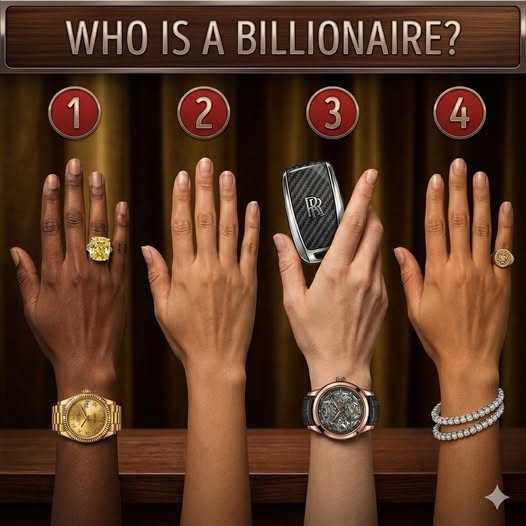
The Rise of the “Quiet Luxury” Trend
Over the past few years, the phrase “quiet luxury” has become a cultural phenomenon.
What Is Quiet Luxury?
Quiet luxury generally refers to:
- High-quality materials
- Minimal logos
- Understated design
- Expensive craftsmanship
- Discreet status symbols
The concept suggests that truly wealthy individuals don’t need obvious displays of wealth because their financial position already speaks for itself.
While there is some truth to this idea, social media often exaggerates it into a universal rule.
The Problem With the Narrative
The internet frequently portrays wealthy people as if they all:
- Wear plain clothing
- Drive ordinary cars
- Avoid luxury goods
- Reject visible status symbols
Reality is much more complicated.
Some billionaires embrace minimalism.
Others enjoy yachts, private jets, luxury watches, designer fashion, and multimillion-dollar homes.
There is no single billionaire uniform.
Myth #1: “Real Billionaires Never Wear Expensive Jewelry”
One of the most common claims in these quizzes is that flashy accessories prove someone is not truly wealthy.
The Reality
Many billionaires wear very modest accessories.
Others do not.
Some highly successful individuals enjoy collecting:
- Fine watches
- Rare jewelry
- Luxury vehicles
- Designer clothing
- Art collections
Financial success does not automatically eliminate the desire for luxury.
Different people simply express their wealth differently.
Personal Preference Matters
A billionaire wearing a simple watch is not proof that all billionaires avoid luxury.
Likewise, a billionaire wearing a diamond-studded watch is not evidence of poor financial judgment.
Both examples exist.
Myth #2: “Perfect Grooming Means Secret Wealth”
Another common assumption is that subtle indicators such as manicured nails signal hidden affluence.
Why This Is Misleading
Good grooming is not a reliable measure of wealth.
Many grooming habits are relatively affordable.
Clean hands, healthy skin, and neat nails may reflect:
- Personal habits
- Professional requirements
- Lifestyle choices
- Access to basic self-care
They reveal very little about someone’s net worth.
Appearance Isn’t a Financial Statement
A person with perfect grooming could be:
- A student
- A teacher
- A retiree
- A millionaire
- A billionaire
The visual clues simply aren’t strong enough to support meaningful conclusions.
Myth #3: “Flashy People Are Only Pretending to Be Rich”
Social media often promotes the idea that visible luxury indicates insecurity or financial instability.
Reality Is More Nuanced
Some individuals spend beyond their means to project wealth.
That certainly happens.
However, many wealthy people genuinely enjoy luxury products and can easily afford them.
Examples include:
- Luxury automobiles
- Designer fashion
- Private aviation
- High-end watches
- Fine jewelry
Purchasing luxury items does not automatically mean someone is financially irresponsible.
Wealth and Spending Are Different Concepts
Net worth measures assets minus liabilities.
A luxury watch tells you almost nothing about either.
Someone wearing a $20 watch may be a billionaire.
Someone wearing a $50,000 watch may also be a billionaire.
The accessory itself doesn’t provide enough information.
What Wealth Actually Looks Like
One reason these quizzes fail is that wealth is often invisible.
Assets Matter More Than Appearances
Financial wealth is typically built through:
- Business ownership
- Investments
- Real estate
- Stocks
- Intellectual property
- Long-term asset growth
These things are rarely visible at first glance.
You cannot see someone’s investment portfolio by looking at their shoes.
You cannot estimate someone’s net worth from their manicure.
The Wealth Gap Between Appearance and Reality
Many high-net-worth individuals look surprisingly ordinary.
Likewise, many people who appear wealthy may carry significant debt.
This disconnect explains why appearance is such an unreliable indicator of financial success.
What Research Says About Billionaires
Studies of wealthy individuals reveal tremendous diversity.
Most Billionaires Are Self-Made
Research from major wealth surveys consistently finds that a large percentage of billionaires built their fortunes through entrepreneurship, investing, or business ownership rather than inheritance alone.
Lifestyle Preferences Vary Widely
Some billionaires prefer:
- Casual clothing
- Simple routines
- Modest public appearances
Others enjoy:
- Luxury travel
- High-profile purchases
- Expansive estates
- Collectible assets
There is no single personality type associated with wealth.
Privacy Is Often More Important Than Fashion
One trait many wealthy individuals share is a preference for privacy.
However, privacy is usually maintained through:
- Security measures
- Private transportation
- Legal protections
- Limited public exposure
Not necessarily through plain clothing.
The Psychology Behind Wealth Stereotypes
Humans naturally look for shortcuts when evaluating people.
We Love Simple Stories
The idea that “the richest person is the one who looks poorest” is emotionally satisfying.
It feels insightful.
It creates a sense of hidden knowledge.
Unfortunately, reality rarely follows such simple rules.
Confirmation Bias
People tend to remember examples that support their beliefs.
When they see a billionaire dressed casually, they remember it.
When they see a billionaire enjoying obvious luxury, they may ignore it.
This selective attention reinforces stereotypes.
Better Questions to Ask About Financial Success
Instead of trying to identify wealth through appearances, consider what actually contributes to financial well-being.
Healthy Financial Habits
Common traits among financially successful individuals often include:
- Long-term thinking
- Consistent investing
- Financial discipline
- Risk management
- Continuous learning
- Strategic decision-making
These habits matter far more than watches or handbags.
Focus on Behavior, Not Appearance
A person’s financial future is influenced much more by:
- Savings habits
- Debt management
- Career development
- Investment decisions
than by the image they project.
Why These Viral Quizzes Remain Popular
Despite their flaws, wealth-identification quizzes continue to attract attention.
They Tap Into Curiosity
People are naturally fascinated by success and status.
These quizzes promise access to secret knowledge.
They Create Engagement
Everyone wants to guess correctly.
This encourages comments, shares, and debate.
They Offer Simple Answers
Unfortunately, simple answers are often inaccurate.
Real wealth is far more complex than any social media image can capture.
The Bottom Line
The viral “guess the billionaire” quiz is entertaining, but it promotes a misleading view of wealth. Neither luxury accessories nor minimalist appearances reliably indicate financial success. Some billionaires embrace understated lifestyles, while others openly enjoy the benefits of their wealth.
The truth is that wealth is usually invisible. It exists in assets, investments, businesses, real estate holdings, and long-term financial decisions-not in watches, shoes, jewelry, or manicures.
Instead of trying to identify wealth through appearance, it is far more useful to focus on the habits that actually build financial security: disciplined saving, smart investing, continuous learning, and thoughtful decision-making.
In the end, the richest person in the room may look ordinary-or they may not. That’s precisely why appearances are such a poor measure of financial success.


Leave a Reply