
1. Bleeding Disorders or Blood-Thinning Medications
Why Ginger May Be a Concern
Ginger contains compounds that may affect platelet function and blood clotting. While this effect is usually mild in healthy individuals, it can become more significant for people who already have bleeding disorders or take medications designed to prevent blood clots.
Examples include:
- Warfarin
- Aspirin
- Clopidogrel
- Apixaban
- Rivaroxaban
When combined with these medications, large amounts of ginger may potentially increase bleeding risk.
Possible concerns include:
- Easy bruising
- Frequent nosebleeds
- Prolonged bleeding after cuts
- Increased bleeding during surgery
- Internal bleeding complications in high-risk individuals
Safer Alternatives
If you’re looking for anti-inflammatory support without relying heavily on ginger, consider:
- Small amounts of turmeric under medical guidance
- Leafy green vegetables such as spinach and kale
- Broccoli and other cruciferous vegetables
- Omega-3-rich foods like salmon and walnuts
Always discuss herbal supplements with your healthcare provider if you’re taking blood-thinning medications.
2. Diabetes Managed With Medication
Why Ginger Requires Monitoring
Some studies suggest ginger may help lower blood sugar levels and improve insulin sensitivity.
While that may sound beneficial, it can create complications for people who already use medications designed to lower blood glucose.
Examples include:
- Insulin
- Metformin
- Sulfonylureas such as glipizide
- Other diabetes medications
Combining glucose-lowering medication with large amounts of ginger may increase the risk of blood sugar dropping too low.
Signs of Low Blood Sugar
Symptoms may include:
- Dizziness
- Sweating
- Shakiness
- Confusion
- Rapid heartbeat
- Weakness
Safer Alternatives
People with diabetes should focus on strategies supported by their healthcare team, including:
- Balanced meals rich in fiber
- Non-starchy vegetables
- Whole grains
- Regular physical activity
- Proper medication management
If you enjoy herbal beverages, consider caffeine-free herbal teas that do not significantly affect blood glucose levels.
3. Gallstones or Gallbladder Disease
Why Ginger May Trigger Problems
Ginger can stimulate bile production.
While bile helps digest fats, increased bile flow may aggravate symptoms in some individuals with gallstones or gallbladder disorders.
For those already prone to gallbladder pain, increased bile activity could potentially trigger discomfort or worsen symptoms.
Common symptoms of gallbladder issues include:
- Pain in the upper right abdomen
- Nausea
- Indigestion after fatty meals
- Bloating
Safer Alternatives
People with gallbladder concerns may benefit from:
- Peppermint tea
- Chamomile tea
- Smaller meals throughout the day
- Reduced intake of high-fat foods
Anyone experiencing persistent abdominal pain should seek medical evaluation rather than relying solely on herbal remedies.
4. Certain Heart Conditions and Blood Pressure Concerns
Why Extra Caution Is Needed
Ginger may influence blood pressure and circulation in some individuals.
Although moderate amounts are often well tolerated, larger doses or concentrated supplements could potentially interact with medications used to manage:
- High blood pressure
- Heart rhythm disorders
- Cardiovascular disease
Some people report:
- Lightheadedness
- Changes in blood pressure
- Heart palpitations
These effects are uncommon but may be more relevant for those with existing heart conditions.
Safer Alternatives
Heart-friendly options include:
- Fresh fruits and vegetables
- Oats and whole grains
- Olive oil
- Nuts and seeds
- Moderate physical activity approved by a healthcare professional
If you’re taking cardiovascular medications, discuss any herbal supplements with your doctor before use.
5. Pregnancy in Certain Situations
Why Medical Guidance Matters
Ginger is often recommended to help relieve pregnancy-related nausea and morning sickness.
In fact, many studies support its effectiveness when used appropriately.
However, some healthcare providers advise caution in specific circumstances, including:
- High-risk pregnancies
- Bleeding disorders during pregnancy
- Previous miscarriage concerns
- Certain pregnancy complications
Because every pregnancy is unique, herbal supplements should never be assumed to be universally safe.
Safer Alternatives
Pregnant individuals may find relief through:
- Small, frequent meals
- Plain crackers
- Staying hydrated
- Vitamin B6 supplementation when recommended
- Medical guidance from an obstetric provider
Always follow personalized advice from your healthcare team.
When Ginger Is Generally Safe
For many healthy adults, moderate amounts of ginger used in cooking are unlikely to cause problems.
Examples include:
- Fresh ginger in stir-fries
- Ginger tea
- Ginger added to soups
- Small amounts in smoothies
- Ginger used in baking
Problems are more likely to arise with concentrated supplements, extracts, or very large daily doses.
Moderation remains important, even with natural products.
Understanding the Difference Between Food and Supplements
One common misconception is that natural products are automatically safe simply because they come from plants.
The reality is more complex.
A small amount of ginger used in cooking differs dramatically from:
- Capsules
- Concentrated extracts
- Essential oils
- High-dose supplements
Supplements often deliver much larger quantities of active compounds than people would consume through food alone.
This is one reason medical professionals encourage discussing supplements before adding them to your routine.
Tips for Using Ginger Safely
If you enjoy ginger and do not have any of the conditions listed above, consider these practical guidelines:
Stick to Food-Based Sources
Using ginger in meals generally carries fewer risks than concentrated supplements.
Start Small
When trying ginger for the first time, begin with modest amounts and monitor how your body responds.
Watch for Medication Interactions
Always check with your healthcare provider if you take prescription medications.
Stop Before Surgery
Many medical professionals recommend avoiding herbal supplements before surgical procedures because of potential bleeding concerns.
Follow your surgeon’s specific instructions.
The Bottom Line
Ginger remains one of the most popular and well-researched herbal remedies in the world. Its potential benefits for nausea, digestion, and inflammation have made it a staple in traditional and modern wellness practices alike.
However, certain individuals should exercise caution.
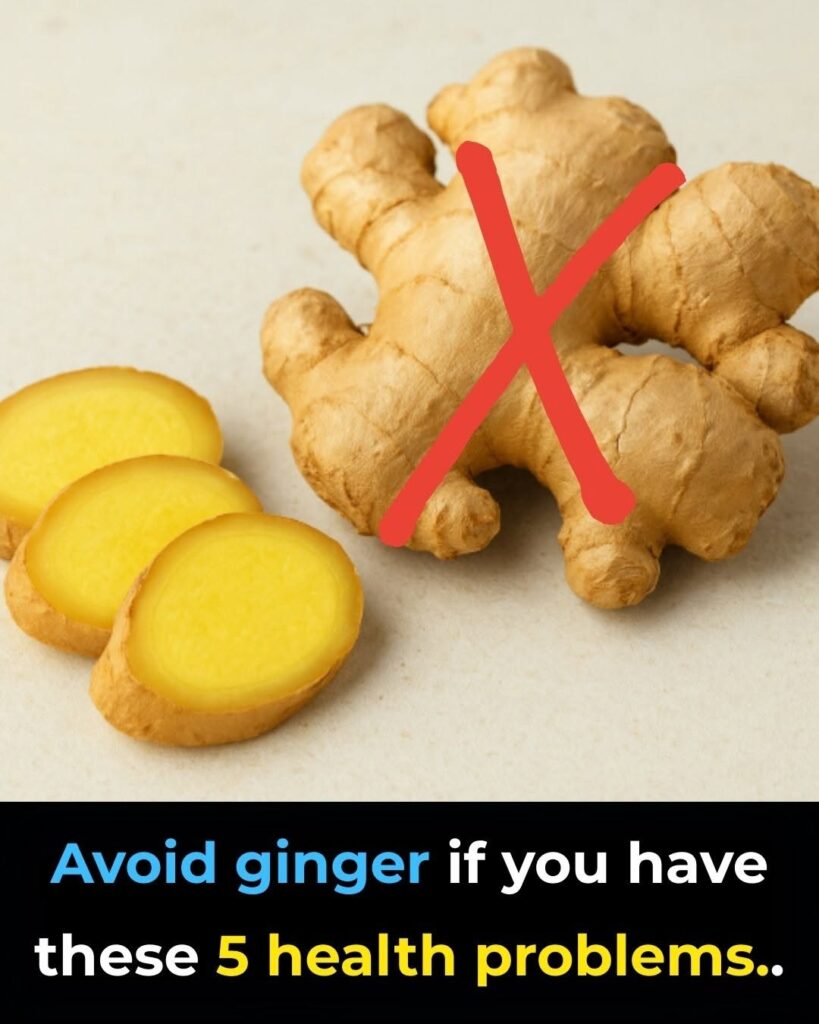
People with bleeding disorders, those taking blood thinners, individuals managing diabetes with medication, those with gallbladder disease, people with certain cardiovascular conditions, and some pregnant individuals may need to limit or avoid ginger depending on their specific circumstances.
The safest approach is to treat herbal remedies with the same respect you would give any other health-related product. Natural does not always mean risk-free.
When in doubt, consult a qualified healthcare professional who can evaluate your personal health history and determine whether ginger is a good fit for your wellness routine.



Leave a Reply