
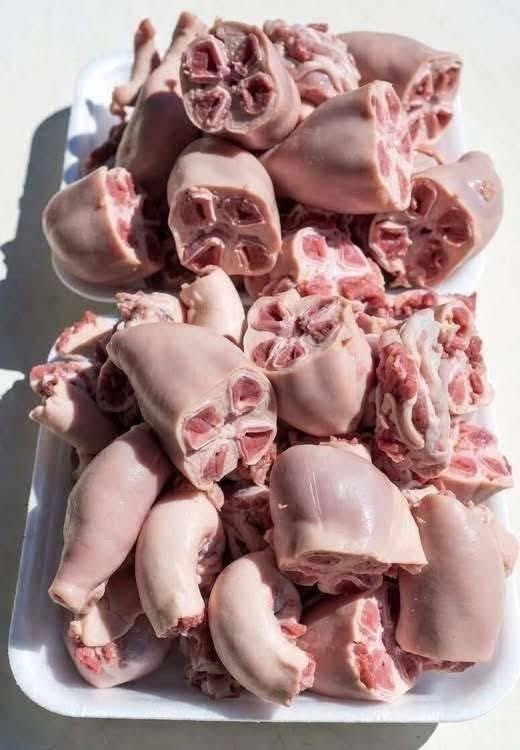
Understanding the Difference Between “Low Quality” and “Fake”
Many viral posts blur these two very different concepts.
Fake Meat
This would involve:
- Substituting one animal species for another
- Deliberately mislabeling products
- Selling non-meat substances as meat
Such cases are rare and typically generate significant regulatory action when discovered.
Lower-Grade Meat
This refers to:
- Different cuts
- Different marbling levels
- Leaner products
- Older animals
- Budget-focused processing
Lower quality does not mean fake.
It simply means the product may differ in tenderness, flavor, texture, or appearance.
Why Meat Can Look Different From Package to Package
Consumers often assume that variation means something is wrong.
In reality, natural variation is expected.
Animal Biology
No two animals are identical.
Differences may include:
- Fat distribution
- Muscle structure
- Color
- Marbling
Breed Differences
Different breeds naturally produce meat with varying characteristics.
Feeding Practices
Diet can influence:
- Fat content
- Flavor
- Appearance
Age of the Animal
Older animals often produce darker, firmer meat.
Common Labeling Terms That Cause Confusion
“Natural”
This term often causes misunderstanding.
It does not necessarily mean:
- Organic
- Hormone-free
- Antibiotic-free
- Grass-fed
Definitions vary by jurisdiction.
“Grass-Fed”
Generally indicates animals were primarily fed grass rather than grain.
However, specific standards can vary.
“Organic”
Organic certification usually follows detailed agricultural regulations covering feed, animal care, and production practices.
“Product of USA” or Similar Labels
Country-of-origin labeling rules can be complex and vary depending on processing and sourcing practices.
Consumers should read labels carefully rather than relying solely on marketing terms.
Real Concerns Consumers Should Pay Attention To
While sensational fraud claims are often exaggerated, some legitimate issues deserve attention.
Proper Refrigeration
Always check that meat is:
- Cold to the touch
- Properly stored
- Within date recommendations
Packaging Integrity
Avoid products with:
- Tears
- Leaks
- Excessive liquid
- Damaged seals
Expiration Dates
Pay attention to:
- Sell-by dates
- Use-by dates
- Freeze-by dates
Recall Notices
Food recalls occasionally occur for legitimate safety reasons.
Staying informed is helpful.
Signs Meat May Be Spoiled
Regardless of quality grade, consumers should watch for:
Strong Unpleasant Odor
Fresh meat should not have a strong sour or rotten smell.
Excessive Slime
A sticky or slimy surface can indicate spoilage.
Significant Discoloration
Some color changes are normal, but widespread unusual discoloration may be a concern.
Damaged Packaging
Broken seals increase contamination risks.
Why Social Media Claims Spread So Quickly
Food-related fears often go viral because they affect something deeply personal: what we feed ourselves and our families.
Posts tend to gain traction when they include:
- Shocking photos
- Emotional language
- Claims of hidden industry secrets
- Warnings of widespread deception
Unfortunately, these posts often provide little evidence.
A Good Rule of Thumb
Before sharing a claim, ask:
- Is there a reliable source?
- Is there documentation?
- Has a regulatory agency confirmed it?
- Is the story being reported by multiple credible outlets?
How to Buy Higher-Quality Meat
If quality is your primary concern, consider:
Looking for Consistent Marbling
Marbling often contributes to tenderness and flavor.
Building Relationships With Local Butchers
Knowledgeable butchers can answer questions about sourcing and cuts.
Reading Labels Carefully
Understand what specific claims actually mean.
Comparing Grades
Where available, grading systems can provide useful information.
The Bigger Picture
The vast majority of meat sold through established supermarkets comes from regulated supply chains that involve inspections, documentation, and food safety oversight.
That doesn’t mean every product is identical or premium quality. It means there is a significant difference between normal variation, budget-grade products, and actual fraud.
Understanding that distinction helps consumers make informed decisions without being misled by sensational claims.
Final Thoughts
Most viral claims about supermarkets secretly selling “fake meat” lack strong evidence. While occasional food industry scandals have occurred throughout history, modern food systems include extensive oversight designed to prevent widespread fraud and protect consumers. More often than not, unusual appearances, natural variations, or misunderstood labeling terms are responsible for confusion-not deception.
The best approach is simple: stay informed, read labels carefully, purchase from reputable retailers, and rely on credible sources rather than viral rumors. A healthy dose of curiosity is useful. Panic rarely is.



Leave a Reply