
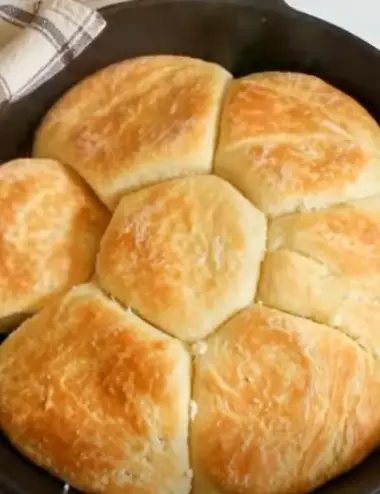
Angel Biscuits are the kind of recipe that never goes out of style. They sit perfectly between classic buttermilk biscuits and tender yeast rolls. Because of that balance, Angel Biscuits bake up light, fluffy, and buttery with crisp golden bottoms and a soft interior that pulls apart beautifully. From the very first bite, Angel Biscuits deliver rich flavor thanks to buttermilk and yeast working together.
Even better, Angel Biscuits are reliable. They rise well, freeze beautifully, and reheat like a dream. As a result, they fit just as easily on a holiday table as they do next to a weeknight bowl of soup. If you want a biscuit recipe that feels comforting, nostalgic, and foolproof, Angel Biscuits are always the answer.
Why Angel Biscuits Are So Special
A perfect blend of biscuit and yeast roll
Angel Biscuits stand out because they use both yeast and traditional biscuit leaveners. While baking powder and baking soda give immediate lift, yeast adds depth of flavor and an extra airy texture. Because of this combination, Angel Biscuits rise higher than regular biscuits and stay softer for longer.
At the same time, Angel Biscuits do not require complicated kneading or shaping. Instead, the dough comes together quickly. Then, after a simple rise, the biscuits bake into tall, tender rounds with a delicate crumb.
A taste that feels like home
Angel Biscuits taste like something pulled straight from a family recipe box. The buttermilk adds gentle tang, while the butter brings richness to every layer. As they bake, the bottoms turn crisp and golden, especially when baked close together in a skillet.
Because of their balanced flavor, Angel Biscuits pair well with almost anything. They work with sausage gravy, soups, stews, or even a swipe of honey or jam. No matter how you serve them, Angel Biscuits always feel comforting and familiar.
Equipment
- Mixing Bowl
- Box Grater
- cast iron skillet
Ingredients
- 4 cups all-purpose flour
- 1/4 cup granulated sugar
- 1 teaspoon salt
- 2 teaspoons baking powder
- 1/2 teaspoon baking soda
- 2 1/4 teaspoons active dry yeast
- 1/4 cup warm water (110–115°F)
- 1 cup frozen butter, grated
- 1 1/2 cups buttermilk
- 2 tablespoons melted butter
Instructions
- Whisk flour, sugar, salt, baking powder, and baking soda in a large bowl.
- Bloom yeast in warm water for 5–10 minutes until foamy.
- Grate frozen butter into the flour mixture and toss gently.
- Stir yeast into buttermilk, then gently mix into flour until combined.
- Pat dough to 1 inch thick, fold into thirds, rotate, and repeat once.
- Cut biscuits straight down and place touching in greased skillets.
- Cover and let rise for 1 hour.
- Brush with melted butter and bake at 400°F for 15–17 minutes until golden.
Notes
Nutrition
Ingredients That Make Angel Biscuits Foolproof
Pantry staples with purpose
Angel Biscuits rely on simple, familiar ingredients. All-purpose flour forms the base and keeps the texture tender. Granulated sugar adds a subtle sweetness and also feeds the yeast. Salt balances the flavor, while baking powder and baking soda provide structure and lift.
Active dry yeast plays a crucial role. When bloomed correctly, it ensures that Angel Biscuits rise tall and develop their signature lightness. Warm water activates the yeast, so keeping the temperature between 110 and 115°F matters.
The role of butter and buttermilk
Frozen butter is key for flaky Angel Biscuits. When grated into the flour, it stays cold and melts slowly in the oven. As a result, steam forms pockets that create tender layers.
Buttermilk brings everything together. It hydrates the dough while adding flavor and acidity. That acidity works with the baking soda, which improves the rise and texture. Finally, melted butter brushed on top before and after baking adds richness and a glossy finish that makes Angel Biscuits irresistible.
How to Make Angel Biscuits Step by Step
Mixing and folding the dough
To start Angel Biscuits, whisk together the dry ingredients so everything distributes evenly. Meanwhile, bloom the yeast in warm water until foamy. This step matters, because active yeast guarantees a good rise.
Next, grate frozen butter directly into the flour mixture. Toss gently so the butter coats in flour. Then, stir the yeast into the buttermilk before gently mixing it into the dry ingredients. The dough should look shaggy but cohesive.
Once the dough comes together, pat it out to about one inch thick. Fold it into thirds, rotate, and repeat once more. This simple folding creates layers without overworking the dough.
Rising and baking for perfect results
Cut Angel Biscuits straight down without twisting. Twisting seals the edges and prevents a proper rise. Place the biscuits touching in a greased cast-iron skillet, since close placement helps them rise upward instead of spreading.
Cover the skillet and let the biscuits rise for about an hour. During this time, the yeast works its magic. Before baking, brush the tops with melted butter. Then bake Angel Biscuits at 400°F for 15 to 17 minutes until golden and tall.
Tips, Storage, and Make-Ahead Options
Pro tips for consistent success
Angel Biscuits reward gentle handling. Therefore, avoid overmixing or pressing too hard. Always check that the yeast foams before continuing. If it does not, start over for the best results.
Additionally, flour the cutter between cuts. This helps keep the edges clean, which improves the rise. Brushing with butter both before and after baking adds flavor and keeps the tops soft.
Freezing and reheating Angel Biscuits
Angel Biscuits freeze exceptionally well. You can freeze them baked or unbaked. For unbaked biscuits, freeze on a tray, then store in a freezer bag. Bake straight from frozen, adding a few extra minutes.
For baked Angel Biscuits, cool completely before freezing. Reheat in the oven until warmed through. Because of the yeast, they stay soft and tender even after freezing, which makes them ideal for make-ahead meals.
A Personal Story Behind These Angel Biscuits
Growing up, Angel Biscuits showed up whenever something needed celebrating or comforting. They appeared on holiday mornings, next to big pots of soup, and on quiet Sundays when the house felt slow and warm. The smell of butter and yeast baking together always meant everyone would gather in the kitchen. Over time, Angel Biscuits became a symbol of togetherness. They were never rushed, yet they were never complicated. Even now, making Angel Biscuits brings back that feeling of calm, dependable comfort that only familiar recipes can provide.
FAQ
What makes Angel Biscuits different from regular biscuits?
Angel Biscuits use yeast along with baking powder and baking soda, which makes them lighter and more flavorful.
Do Angel Biscuits taste like yeast rolls?
They have a mild yeast flavor but still taste like biscuits, not dinner rolls.
Can Angel Biscuits be made ahead of time?
Yes, Angel Biscuits can be refrigerated overnight or frozen before or after baking.
Why should biscuits touch while baking?
When Angel Biscuits touch, they rise taller and stay softer on the sides.
Can I use fresh yeast instead of active dry yeast?
Yes, but you will need to adjust the amount and still bloom it properly.
Conclusion
Angel Biscuits truly offer the best of both worlds. They combine the ease of biscuits with the flavor and texture of yeast rolls. Because they are soft, fluffy, and reliable, Angel Biscuits belong in every home baker’s recipe collection. Whether served fresh, frozen, or reheated, Angel Biscuits always deliver comfort, flavor, and a little bit of nostalgia in every bite.


Leave a Reply