
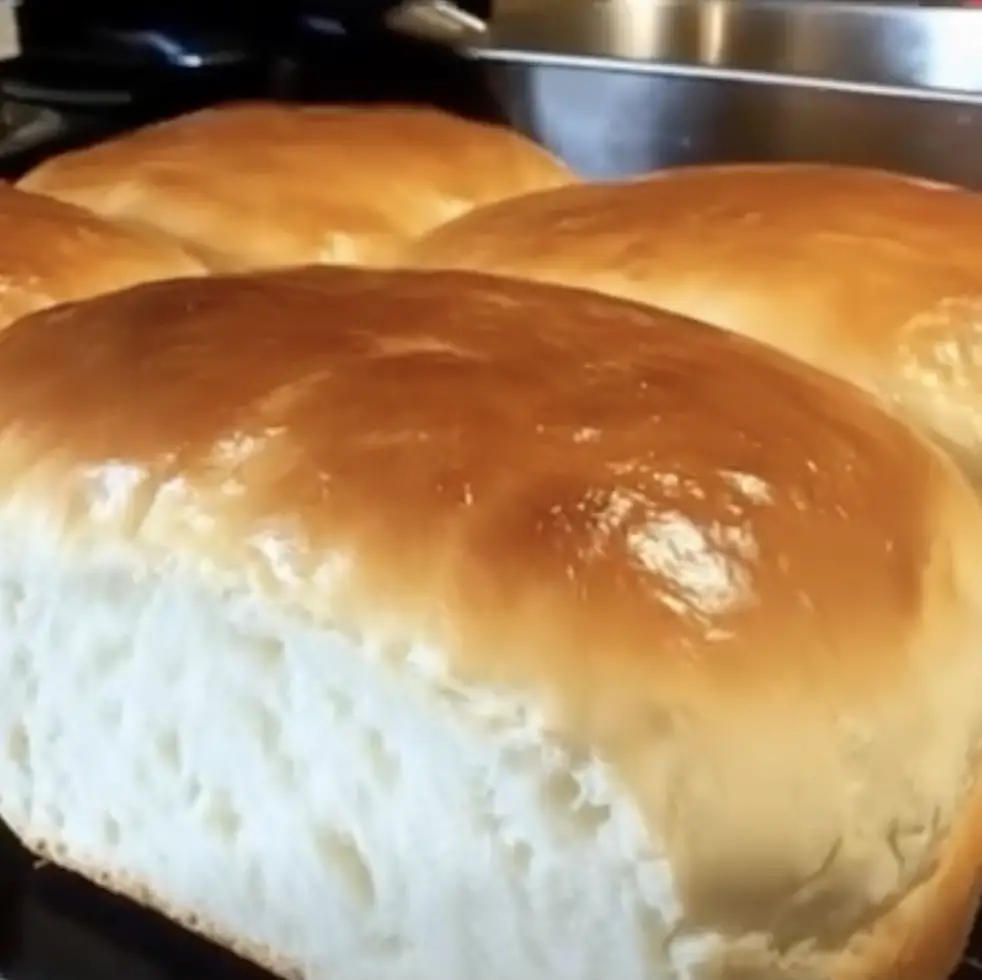
Amish White Bread brings warmth, softness, and familiarity to the table with every slice. This classic homemade loaf is known for its tender crumb, lightly sweet flavor, and pillowy texture that makes it perfect for sandwiches, toast, or simply enjoying with butter. Because Amish White Bread uses simple pantry ingredients and straightforward steps, it remains one of the most reliable breads for beginner and experienced home bakers alike.
There is something deeply comforting about baking Amish White Bread at home. The gentle aroma filling the kitchen, the slow rise of the dough, and the golden loaves coming out of the oven create a sense of calm and accomplishment. While store-bought bread may be convenient, it cannot compare to the softness and freshness of a homemade loaf that slices beautifully and stays tender for days.
I first learned to appreciate this style of bread during a season when homemade meals mattered more than ever. Baking bread became a quiet routine, especially on weekends. I remember watching the dough double in size near a sunny window, then shaping the loaves while the house stayed quiet. When the bread finally cooled, slicing into it felt rewarding in a way that no packaged loaf ever could. Since then, Amish White Bread has remained a staple, showing up at breakfast, lunch, and dinner without ever feeling repetitive.
What Makes Amish White Bread So Special
Soft texture that stays tender
Amish White Bread stands out because of its consistently soft texture. The combination of water, sugar, oil, and flour creates a dough that bakes into a loaf with a fine, even crumb. Each slice bends easily without crumbling, which makes it ideal for sandwiches.
Because the recipe uses oil or melted butter, the bread retains moisture longer than many lean breads. This fat coats the flour proteins, limiting gluten toughness while locking in softness. As a result, the bread stays tender even after cooling completely.
Additionally, the sugar in Amish White Bread contributes more than sweetness. It helps feed the yeast, encourages browning, and supports moisture retention. Together, these elements ensure the loaf remains soft from the first slice to the last.
Mild flavor for everyday use
The flavor of Amish White Bread remains mild and approachable. It does not overpower fillings, spreads, or toppings. Instead, it acts as a supportive base that enhances whatever you pair with it.
This balance makes it versatile. Use it for peanut butter sandwiches, grilled cheese, French toast, or simple toast with jam. Because the flavor stays neutral, the bread adapts easily to sweet or savory uses.
Moreover, the slight sweetness appeals to a wide range of tastes. Children often love it, while adults appreciate its classic simplicity. That universal appeal explains why Amish White Bread has remained popular for generations.
Ingredients and Dough Basics
Simple ingredients with dependable results
Amish White Bread relies on everyday ingredients that work together smoothly. Warm water activates the yeast, while sugar provides food for fermentation. Active dry yeast gives the dough lift and structure.
Salt balances sweetness and strengthens gluten, ensuring the dough develops properly. Vegetable oil or melted butter adds tenderness and flavor. All-purpose flour forms the backbone of the loaf, creating structure without heaviness.
Because the ingredient list stays short, quality matters. Fresh yeast and properly measured flour make a noticeable difference. Even so, the recipe remains forgiving, which builds confidence for home bakers.
Mixing and kneading the dough
Once the yeast activates and turns foamy, mixing the dough becomes straightforward. Adding flour gradually helps prevent over-drying the dough. A soft, slightly tacky dough produces the best loaf.
Kneading plays a critical role. During kneading, gluten develops, giving the dough elasticity and strength. Knead until the dough feels smooth and springs back when pressed lightly.
This step takes patience, but it rewards you with better structure and rise. Well-kneaded dough bakes into a loaf that holds its shape and slices cleanly.
Rising and Shaping Amish White Bread
The importance of the first rise
The first rise allows yeast to ferment the dough, producing gas that expands gluten strands. This process creates volume and flavor. A warm, draft-free spot encourages steady rising.
During this rise, the dough should double in size. Rushing this step can result in dense bread. Allowing adequate time ensures proper texture and flavor development.
Covering the bowl prevents the dough surface from drying out. A lightly oiled bowl also helps prevent sticking, making shaping easier later.
Shaping for even loaves
After the first rise, punching down the dough releases excess gas and redistributes yeast. Dividing the dough evenly ensures both loaves bake at the same rate.
Shaping into tight loaves matters more than it may seem. Tension on the surface helps the bread rise upward instead of spreading outward. Place the shaped dough seam-side down in greased pans.
This careful shaping creates uniform slices and a pleasing loaf shape. It also improves oven spring during baking.
Equipment
- Mixing Bowl
- loaf pans
- Oven
Ingredients
- 2 cups warm water
- 2/3 cup granulated sugar
- 1 1/2 tablespoons active dry yeast
- 1 1/2 teaspoons salt
- 1/4 cup vegetable oil or melted butter
- 6 cups all-purpose flour
Instructions
- Combine warm water and sugar. Sprinkle yeast over the top and let foam.
- Stir in salt, oil, and flour until a soft dough forms. Knead until smooth.
- Place dough in oiled bowl, cover, and let rise until doubled.
- Divide dough, shape into loaves, and place in greased pans.
- Let rise again, then bake at 350°F until golden brown.
Notes
Nutrition
Baking and Finishing Touches
Second rise and oven timing
The second rise allows the shaped loaves to relax and expand again. During this stage, the dough should rise just above the pan edges. Overproofing can cause collapse, while underproofing leads to dense bread.
Preheating the oven ensures consistent heat from the start. Baking Amish White Bread at 350°F creates a golden crust without drying the interior.
As the bread bakes, the kitchen fills with a warm, comforting aroma. This moment often signals that homemade bread was worth the effort.
Brushing with butter for softness
Once baked, removing the loaves from the pans prevents sogginess. Brushing the tops with melted butter softens the crust and adds flavor.
Cooling on a wire rack allows air circulation, preventing condensation. Although slicing warm bread feels tempting, waiting helps preserve texture and makes slicing easier.
This finishing step enhances both appearance and eating quality. The crust stays tender, and the loaf looks inviting on the counter.
Serving and Storage Ideas
Everyday uses for Amish White Bread
Amish White Bread shines in everyday meals. Use it for sandwiches packed with deli meats, vegetables, or spreads. It also makes excellent toast, crisping evenly while staying soft inside.
For breakfast, it transforms into French toast or cinnamon toast with ease. Its mild flavor pairs well with both sweet and savory toppings.
Because the slices hold together well, the bread works perfectly for grilled sandwiches. The exterior browns nicely while the interior stays tender.
Storing and freezing tips
Store Amish White Bread tightly wrapped at room temperature for several days. Avoid refrigeration, as it dries bread faster.
For longer storage, freezing works well. Slice the loaf before freezing so you can remove individual slices as needed. Thaw at room temperature or toast directly from frozen.
Proper storage ensures the bread stays enjoyable without waste. This practicality adds to its appeal as a staple recipe.
Frequently Asked Questions
Can I use milk instead of water?
Yes. Using warm milk creates an even softer loaf with slightly richer flavor.
Why didn’t my bread rise enough?
Old yeast, cool temperatures, or insufficient kneading can affect rising.
Can I reduce the sugar?
You can reduce it slightly, but sugar supports yeast activity and softness.
What flour works best?
All-purpose flour produces the classic texture associated with Amish White Bread.
How do I know the bread is done?
The loaf should sound hollow when tapped and appear golden brown.
Conclusion
Amish White Bread delivers comfort, reliability, and timeless appeal with every loaf. Its soft texture, mild flavor, and versatility make it a dependable choice for everyday baking. Whether enjoyed fresh from the oven or toasted days later, this bread brings a sense of home to any table. With simple ingredients and patient steps, Amish White Bread proves that homemade bread remains one of life’s simplest and most satisfying pleasures.




Leave a Reply