
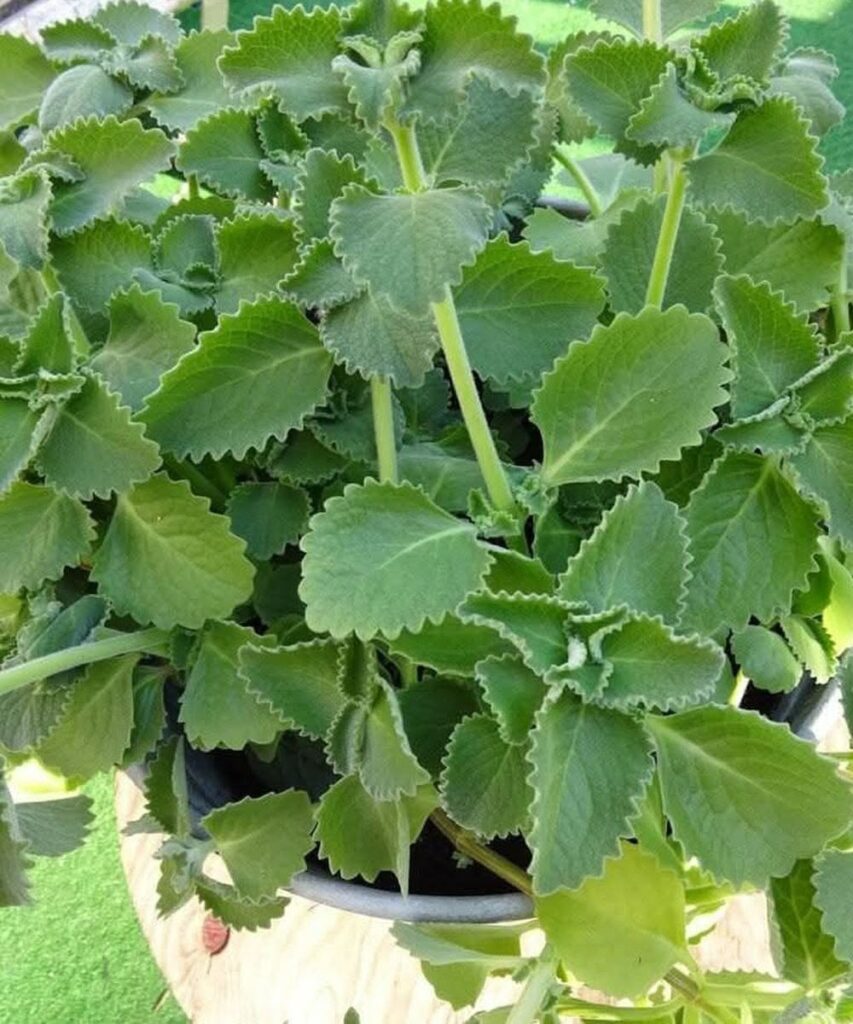
Oregano has earned a permanent place in kitchens around the world, yet its value extends far beyond flavor. A Scientific Look at Oregano’s Role in Supporting Wellness reveals why researchers continue to study this aromatic herb and its unique collection of naturally occurring plant compounds. From antioxidant activity to antimicrobial properties, oregano has attracted scientific attention for decades. While no herb serves as a cure for disease, understanding what research actually shows can help people make informed choices about including oregano in a balanced lifestyle.
Not long ago, I started paying closer attention to the herbs I used every day. Oregano had always been a simple seasoning sprinkled over pasta, roasted vegetables, and soups. However, after reading about its natural compounds, I became curious about the science behind its reputation. As I explored studies and wellness resources, I discovered that oregano contains a remarkable variety of plant-based substances. That experience changed how I viewed common kitchen ingredients. Instead of seeing oregano as just another seasoning, I began appreciating it as a flavorful herb with a fascinating scientific story and a long history of traditional use.
Understanding Oregano and Its Natural Compounds
What Is Oregano?
Oregano belongs to the mint family, known scientifically as Origanum vulgare. Native to the Mediterranean region, it has been used for centuries in cooking and traditional wellness practices. Today, oregano grows in many parts of the world and remains one of the most widely used culinary herbs.
The herb develops small leaves packed with aromatic oils. These oils contribute to oregano’s distinctive flavor and aroma. More importantly, they contain several bioactive compounds that researchers continue to investigate.
Although many people use oregano in dried form, fresh oregano also offers valuable nutritional and phytochemical content. Both versions can contribute flavor and beneficial plant compounds to meals.
Key Phytochemicals Found in Oregano
The growing interest in oregano comes largely from its phytochemical profile. Researchers have identified numerous compounds that may support overall wellness.
Among the most studied compounds are:
- Carvacrol
- Thymol
- Rosmarinic acid
- Flavonoids
- Terpenes
Carvacrol receives particular attention because laboratory studies suggest strong antimicrobial and antioxidant activity. Thymol, another major compound, appears to contribute similar properties.
Meanwhile, rosmarinic acid functions as a potent antioxidant. Antioxidants help neutralize unstable molecules called free radicals, which may contribute to oxidative stress within the body.
Additionally, oregano contains several flavonoids that support its overall antioxidant potential. Because these compounds work together, scientists often focus on the herb as a whole rather than a single isolated ingredient.
Potential Wellness Benefits Supported by Research




Leave a Reply