
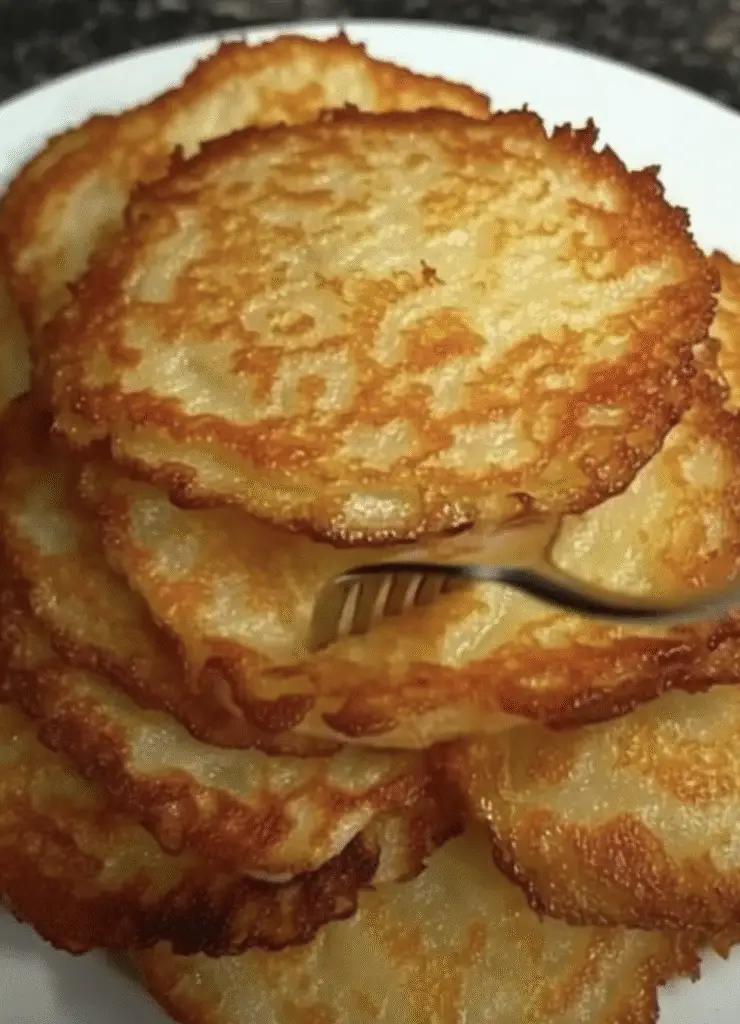
German Potato Pancakes (Kartoffelpuffer) are crisp on the outside, tender on the inside, and deeply comforting. Made from simple ingredients like grated potatoes, onion, eggs, and flour, they prove that humble food often delivers the most satisfaction. Whether served savory with sour cream or sweet with applesauce, these pancakes fit effortlessly into breakfast, lunch, or dinner.
German Potato Pancakes (Kartoffelpuffer) have been cooked in home kitchens for generations because they require little equipment and reward you with big flavor. They fry quickly, fill the kitchen with a warm aroma, and always feel special, even on ordinary days. With the right technique, anyone can achieve golden, crunchy pancakes without fuss.
I remember first learning to make these on a quiet weekend afternoon when the pantry was nearly empty. Potatoes and onions were all that remained, yet the result felt hearty and complete. As the pancakes sizzled in the pan, the edges crisped while the centers stayed soft. We ate them straight from the plate, alternating bites with applesauce and sour cream, and the simplicity made the moment feel grounding. Since then, this recipe has become a reliable comfort meal, especially when time is short but something warm and homemade sounds right.
What Makes German Potato Pancakes Special
Simple ingredients with deep flavor
German Potato Pancakes (Kartoffelpuffer) rely on a short ingredient list, yet each component matters. Potatoes provide starch and structure, while onion adds sharpness and aroma. Eggs bind everything together, and a small amount of flour ensures the mixture holds its shape during frying.
Because the potatoes remain raw, their flavor stays fresh and earthy. When they hit hot oil, the natural sugars caramelize slightly, creating a rich, savory taste. Salt and pepper enhance this base without masking it. As a result, the pancakes taste clean and balanced rather than heavy.
Additionally, the neutral flavor makes them incredibly versatile. You can keep them traditional or adjust seasoning slightly to suit your mood. Either way, they remain unmistakably Kartoffelpuffer.
Texture is the true highlight
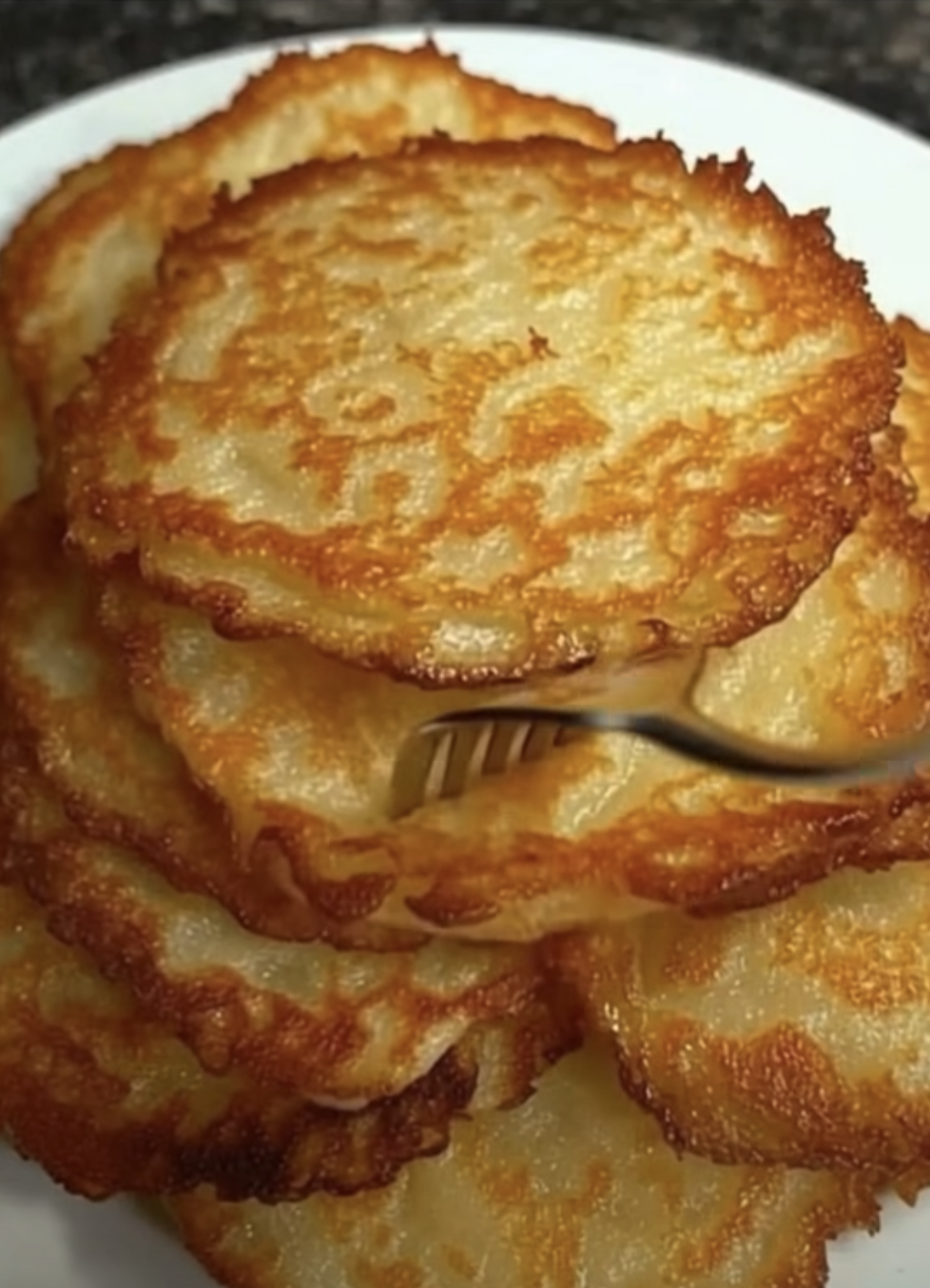
The magic of German Potato Pancakes (Kartoffelpuffer) lies in their texture. A properly made pancake shatters slightly when bitten, then melts into a soft, potato-rich center. Achieving this contrast depends on removing excess moisture from the grated potatoes.
By squeezing out as much liquid as possible, you prevent steaming and encourage crisping. This step might seem tedious, yet it makes all the difference. Because the batter stays compact, the pancakes fry evenly and develop that signature crunch.
Oil temperature also plays a role. Hot oil seals the outside quickly, locking moisture inside. Therefore, patience during heating pays off with consistently crisp results.
Ingredients and Preparation Tips
Choosing the right potatoes and tools
Starchy potatoes work best for German Potato Pancakes (Kartoffelpuffer). Russet or similar varieties crisp more easily and hold together well. Waxy potatoes can work, although they may produce a softer pancake.
You can grate potatoes by hand using a box grater or speed things up with a food processor. Hand grating creates a slightly coarser texture, which many people prefer. A food processor produces more uniform shreds and saves time. Either method works, as long as you remove the moisture afterward.
Onions should be grated as well rather than chopped. This allows them to blend seamlessly into the batter and release their flavor evenly.
Mastering the batter
Once drained, the potato and onion mixture should feel fairly dry to the touch. Combine it with eggs, flour, salt, and pepper in a bowl. Stir just until everything comes together. Overmixing can make the pancakes dense.
If the batter seems loose, add flour a tablespoon at a time. The goal is a mixture that holds together when scooped but still feels light. Because potatoes vary in moisture, small adjustments are normal.
Seasoning matters here. Taste a tiny bit of the raw mixture to check salt levels. Adjusting early prevents bland pancakes later.
Cooking German Potato Pancakes the Right Way
Frying for perfect crispness
Heat about a quarter inch of oil in a wide skillet over medium-high heat. The oil should shimmer but not smoke. Test it by dropping in a small bit of batter; it should sizzle immediately.
Spoon portions of batter into the oil and flatten gently. Keep them fairly thin, as thinner pancakes crisp better. Fry for three to four minutes per side until deeply golden.
Avoid overcrowding the pan. Frying in batches keeps the oil temperature steady and ensures even browning. Once cooked, transfer pancakes to a paper-towel-lined plate to drain excess oil.
Timing and temperature control
Consistent heat makes German Potato Pancakes (Kartoffelpuffer) shine. If the oil cools too much, the pancakes absorb oil and turn greasy. If it gets too hot, they brown too quickly while staying raw inside.
Adjust the heat slightly between batches if needed. Let the oil reheat before adding the next round. This attention ensures every pancake turns out crisp and evenly cooked.
Serve them warm for the best texture. Although leftovers reheat reasonably well, fresh pancakes always taste superior.
Equipment
- Box grater or food processor
- Large skillet
- Clean kitchen towel
Ingredients
- 4 medium potatoes, peeled and grated
- 1 small onion, grated
- 2 large eggs
- 3 tablespoons all-purpose flour
- 1/2 teaspoon salt
- 1/4 teaspoon black pepper
- oil for frying
Instructions
- Grate the peeled potatoes and onion using a box grater or food processor.
- Place the grated mixture in a clean towel or cheesecloth and squeeze out as much liquid as possible.
- In a bowl, mix the drained potatoes and onion with eggs, flour, salt, and pepper until combined.
- Heat about 1/4 inch of oil in a skillet over medium-high heat until hot.
- Drop spoonfuls of batter into the oil, flatten slightly, and fry 3–4 minutes per side until golden.
- Drain on paper towels and serve warm with sour cream or applesauce.
Notes
Nutrition
Serving Ideas and Variations
Traditional and modern ways to serve
German Potato Pancakes (Kartoffelpuffer) traditionally pair with applesauce or sour cream. Applesauce highlights the natural sweetness of the potatoes, while sour cream adds tang and richness. Many people enjoy offering both and alternating bites.
For a savory twist, top them with smoked salmon, chives, or a soft egg. As a side dish, they complement roasted meats or sausages beautifully. They also work well as a light main with a simple salad.
Because they hold their shape, they serve nicely at gatherings. Keep them warm in a low oven until ready to eat.
Easy variations to try
You can customize German Potato Pancakes (Kartoffelpuffer) with small additions. A pinch of garlic powder or paprika adds warmth. Fresh herbs like parsley or chives brighten the batter.
For extra crunch, mix in a small amount of grated carrot or parsnip. These additions keep the spirit of the dish intact while adding subtle complexity.
If you prefer a gluten-free version, substitute flour with potato starch or cornstarch. The pancakes still crisp beautifully with minimal adjustment.
Frequently Asked Questions
Can I make German Potato Pancakes ahead of time?
They taste best fresh, but you can keep them warm in a low oven for up to 30 minutes.
Why do my pancakes turn soggy?
Excess moisture or oil that is not hot enough usually causes sogginess.
Can I bake these instead of frying?
Baking works, but frying delivers the crispiest texture.
What oil works best?
Neutral oils like vegetable or canola work well. Light olive oil also performs nicely.
Can I freeze leftover pancakes?
Yes, although the texture softens slightly after reheating.
Conclusion
German Potato Pancakes (Kartoffelpuffer) show how simple ingredients can create deeply satisfying food. Crisp edges, tender centers, and endless serving options make them a timeless favorite. Whether you cook them for a quiet meal or share them with others, they bring warmth and comfort to the table every time.

Leave a Reply