
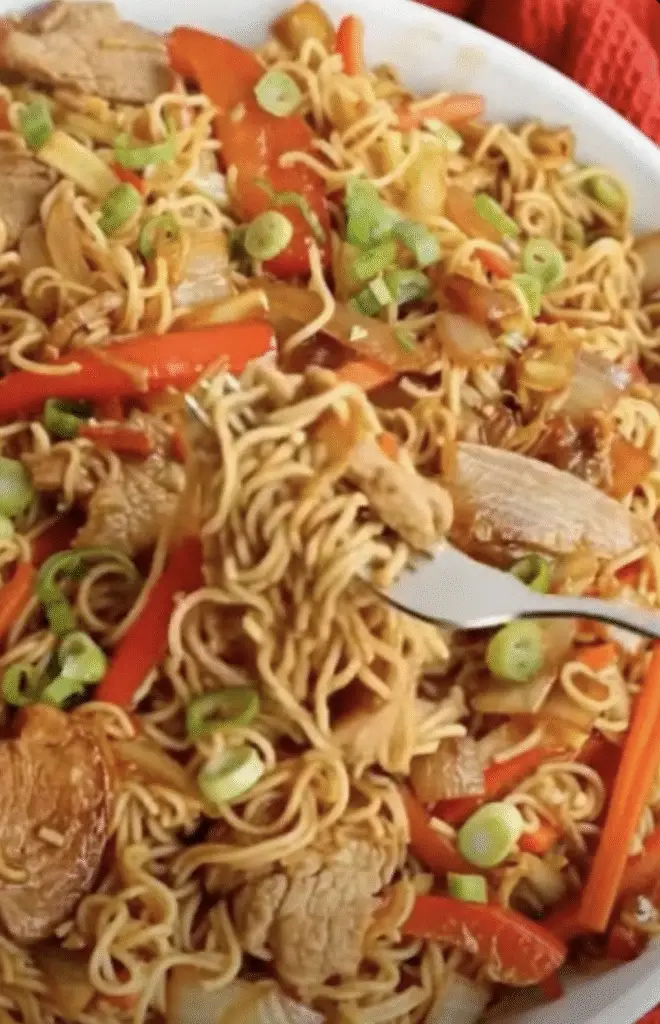
Pork Lo Mein is one of those comfort meals that feels special yet comes together fast enough for a busy weeknight. With tender slices of pork, springy noodles, crisp vegetables, and a savory-sweet sauce, this dish delivers classic takeout flavor while staying lighter and fresher at home. Because everything cooks quickly in one pan, Pork Lo Mein also works perfectly for beginners who want reliable results without stress.
This Pork Lo Mein recipe uses simple pantry ingredients, straightforward techniques, and flexible vegetables, so you can adjust it to what you already have. Even better, the balance of soy sauce, sesame oil, ginger, and garlic creates a rich flavor without relying on heavy sauces or excess sodium. Once you try this version, Pork Lo Mein will likely become part of your regular dinner rotation.
A Short Personal Story
The first time I made Pork Lo Mein at home was on a night when takeout sounded tempting but time was tight. I had a small pork tenderloin in the fridge and half a bag of vegetables that needed using. Instead of ordering food, I sliced the pork thin, boiled noodles, and tossed everything into one skillet. The result surprised me. The noodles soaked up the sauce, the pork stayed tender, and the vegetables kept their crunch. Since then, Pork Lo Mein has become my go-to meal when I want something familiar, filling, and fast without sacrificing flavor or freshness.
Why Pork Lo Mein Works So Well at Home
Better Flavor With Simple Ingredients
Pork Lo Mein tastes bold because the sauce balances salty, savory, and lightly sweet flavors. Soy sauce brings depth, sesame oil adds richness, and rice vinegar brightens the dish. Because the sauce thickens slightly in the pan, every noodle gets coated instead of swimming in liquid. As a result, the flavor feels concentrated and satisfying.
Moreover, using fresh ginger and garlic makes a noticeable difference. These aromatics release their oils quickly in a hot pan, which means the entire dish smells and tastes more vibrant. While takeout versions often rely on heavier sauces, this Pork Lo Mein stays balanced and clean.
A One-Pan Meal That Saves Time
One of the biggest advantages of Pork Lo Mein is efficiency. You marinate the pork, stir-fry it quickly, cook the noodles, and bring everything together in the same skillet. Because each step builds on the previous one, nothing feels wasted or complicated.
Additionally, cooking in batches prevents overcrowding. Browning the pork first creates flavor, while stir-frying the vegetables afterward keeps them crisp. Once the sauce hits the pan, everything comes together in minutes, making Pork Lo Mein ideal for weeknights.
Ingredients That Make the Difference
Pork, Noodles, and Vegetables
Thinly sliced pork tenderloin works best for Pork Lo Mein because it stays tender and cooks quickly. Since tenderloin has very little fat, a short marinade helps keep it juicy. Lo mein noodles are traditional, yet ramen noodles also work well if that’s what you have.
Vegetables add texture and color. Onion, carrots, bell pepper, and shredded cabbage create a balanced mix of sweetness and crunch. Because Pork Lo Mein is flexible, you can easily add mushrooms, snap peas, or broccoli without changing the method.
The Savory-Sweet Sauce
The sauce ties everything together. Low-sodium soy sauce provides salt without overpowering the dish. Sesame oil adds a nutty finish, while rice vinegar keeps the flavors bright. A small amount of sugar balances the salt, and cornstarch thickens the sauce so it clings to the noodles.
Chinese cooking wine enhances the savory notes, yet you can substitute extra broth if needed. Once whisked together, the sauce cooks quickly, which means Pork Lo Mein stays glossy and flavorful instead of watery.
Equipment
- large skillet or wok
- Pot for noodles
Ingredients
- 1 lb pork tenderloin, thinly sliced
- 8 oz lo mein or ramen noodles
- 1 onion, sliced
- 1 cup carrots, julienned
- 1 bell pepper, sliced
- 2 cups shredded cabbage
- 1/4 cup low-sodium soy sauce
- 1 tbsp sesame oil
- 1 tbsp rice vinegar
- 1 tbsp Chinese cooking wine
- 1 tbsp cornstarch
- 1 tsp sugar
- 1 tbsp fresh ginger, minced
- 2 cloves garlic, minced
Instructions
- Marinate sliced pork with soy sauce, rice vinegar, and sesame oil for 10 minutes.
- Whisk soy sauce, cooking wine, cornstarch, and sugar to make the sauce.
- Stir-fry pork in batches over high heat until browned. Remove and set aside.
- Cook noodles according to package directions. Drain and set aside.
- Stir-fry vegetables until crisp-tender. Add ginger and garlic and cook briefly.
- Add sauce to skillet and cook until thickened.
- Return pork and add noodles. Toss until coated and heated through.
Notes
Nutrition
Step-by-Step Cooking Method
Preparing and Cooking the Pork
Start by slicing the pork tenderloin thinly against the grain. This step matters because it shortens the muscle fibers, resulting in tender bites. Marinate the pork with soy sauce, rice vinegar, and sesame oil for about 10 minutes. Even a short marinade improves flavor and texture.
Heat a large skillet or wok until hot, then add oil. Stir-fry the pork in batches to avoid steaming. Once the pork browns, remove it from the pan and set it aside. This step locks in flavor while keeping the meat juicy.
Bringing Everything Together
Cook the noodles according to package instructions, then drain them well. In the same skillet, stir-fry the vegetables until they turn crisp-tender. Add ginger and garlic, stirring quickly to prevent burning.
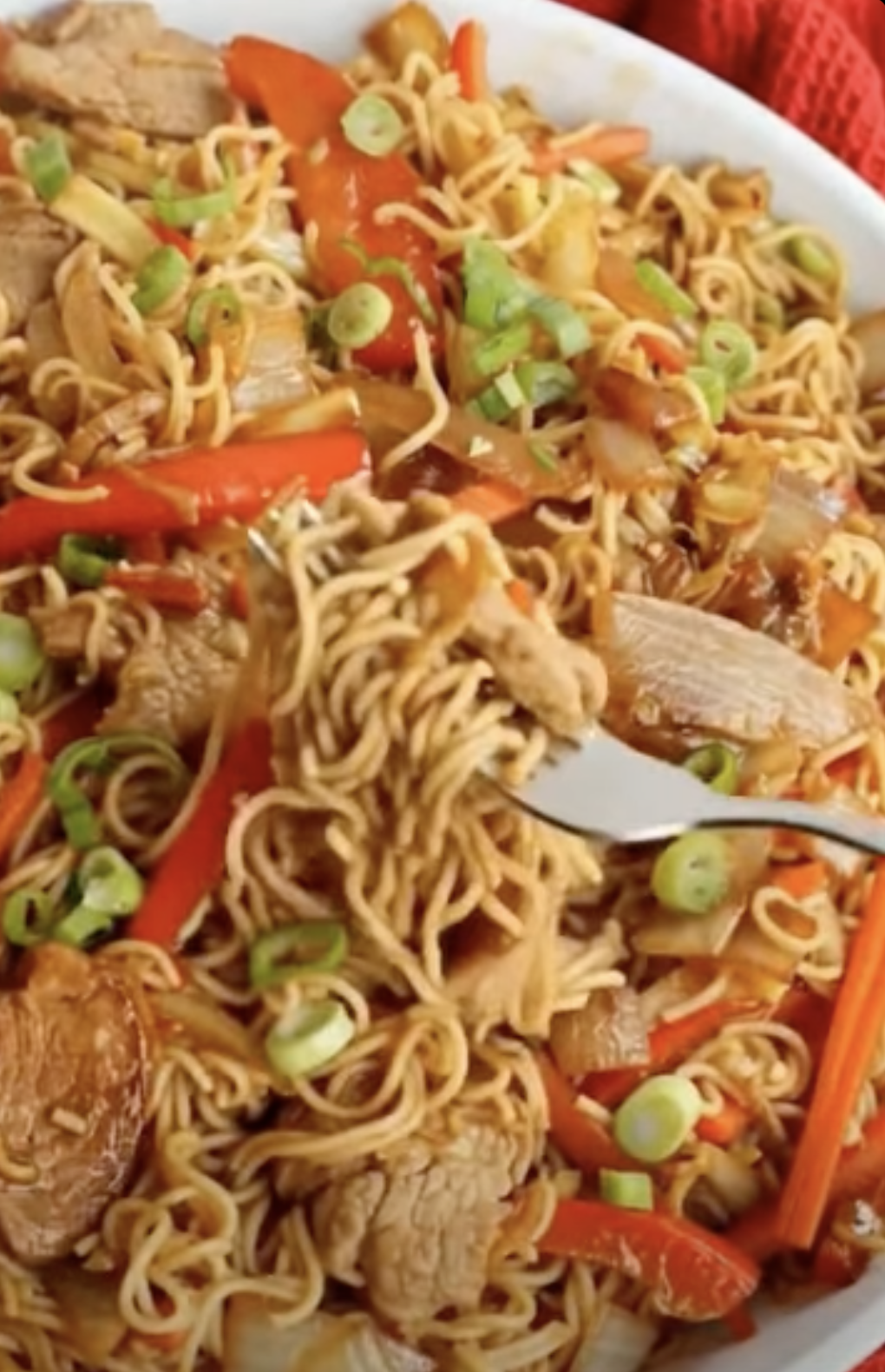
Next, pour in the prepared sauce. As it heats, it thickens slightly. Return the pork to the skillet, then add the noodles. Toss everything together until well coated and heated through. At this point, Pork Lo Mein should look glossy, balanced, and inviting.
Customizing Pork Lo Mein to Your Taste
Easy Protein Swaps
While pork adds richness, Pork Lo Mein adapts easily to other proteins. Chicken breast, beef sirloin, shrimp, or tofu all work using the same method. Simply adjust cooking time so the protein stays tender.
Because the sauce remains the same, each variation still delivers that classic lo mein flavor. This flexibility makes Pork Lo Mein a dependable recipe no matter what you have on hand.
Perfect for Meal Prep
Pork Lo Mein stores well, which makes it great for meal prep. Once cooled, portion it into containers and refrigerate for up to four days. When reheated, the noodles remain soft, and the flavors deepen slightly.
For best results, reheat gently on the stovetop with a splash of water. This method keeps the noodles from drying out while restoring their original texture.
FAQ
What cut of pork is best for Pork Lo Mein?
Pork tenderloin works best because it stays tender and cooks quickly.
Can I use ramen noodles instead of lo mein noodles?
Yes, ramen noodles are a great substitute and hold the sauce well.
How do I keep the pork from drying out?
Slice it thinly, marinate briefly, and cook it quickly over high heat.
Is Pork Lo Mein healthy?
This homemade version uses less sodium and more vegetables than most takeout options.
Can I freeze Pork Lo Mein?
Freezing is possible, but the noodles may soften slightly when reheated.
Conclusion
Pork Lo Mein proves that homemade meals can match, and often beat, takeout flavor. With tender pork, crisp vegetables, and a savory-sweet sauce, this dish feels comforting yet balanced. Because it comes together quickly and uses simple ingredients, Pork Lo Mein fits perfectly into everyday cooking. Once you try it, you’ll likely skip takeout and make this version again and again.



Leave a Reply