
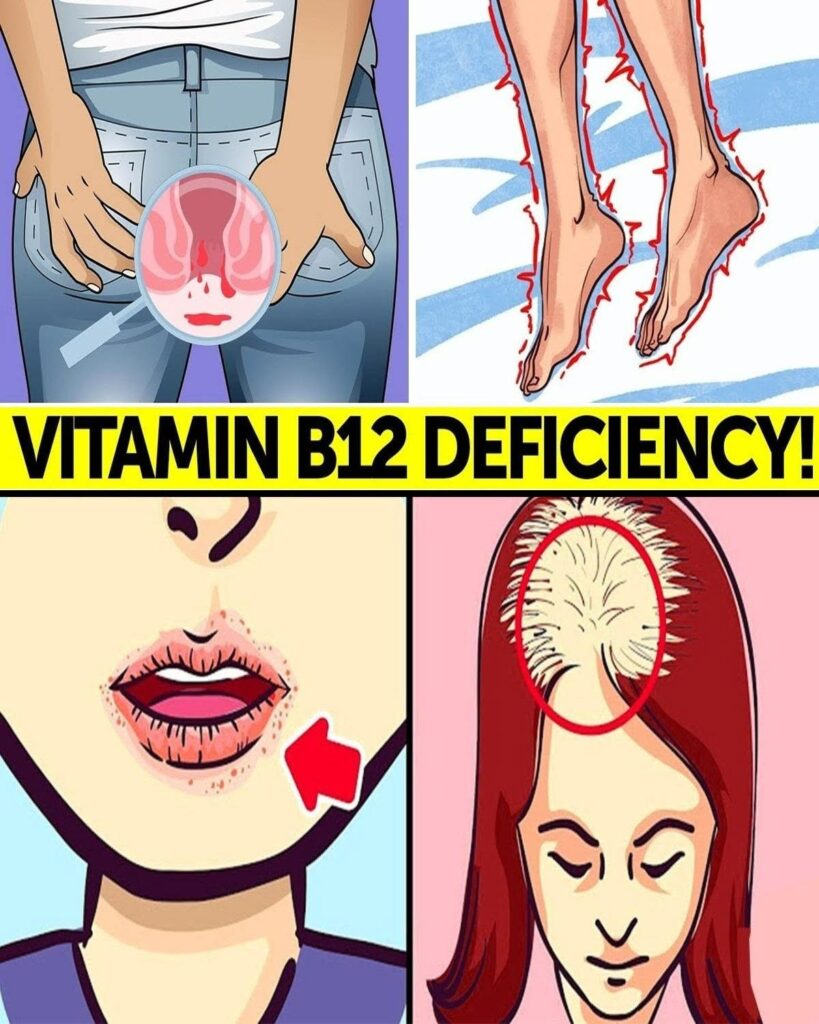
Who Is at Risk for B12 Deficiency?
You may have a higher risk of developing a vitamin B12 deficiency if you:
- Follow a vegan or strict vegetarian diet
- Are over age 50
- Have Crohn’s disease or celiac disease
- Have undergone stomach or intestinal surgery
- Take acid-reducing medications long term
- Have pernicious anemia
- Experience digestive disorders that affect nutrient absorption
Now let’s look at some surprising symptoms that can signal low B12 levels.
1. Tingling or Numbness in Your Hands and Feet
One of the earliest signs of B12 deficiency is a pins-and-needles sensation in the fingers, hands, feet, or legs. Vitamin B12 plays a critical role in maintaining healthy nerves. When levels drop too low, nerve damage can begin, leading to unusual sensations, numbness, or burning feelings.
2. Extreme Fatigue That Doesn’t Improve With Rest
Everyone feels tired sometimes. However, B12 deficiency can cause a deep exhaustion that persists even after a full night’s sleep. Since B12 helps produce healthy red blood cells that carry oxygen throughout the body, low levels can leave you feeling drained and weak.
3. Memory Problems and Brain Fog
Have you been forgetting appointments, losing track of conversations, or struggling to focus? Low vitamin B12 levels can affect cognitive function. Many people describe feeling mentally sluggish or unable to think clearly.
4. Dizziness and Balance Issues
If you often feel lightheaded when standing or notice that your balance seems off, B12 deficiency may be contributing. Nerve damage and reduced oxygen delivery can affect coordination and stability, increasing the risk of falls.
5. Pale or Slightly Yellow Skin
A deficiency can interfere with normal red blood cell production. As a result, some people develop pale skin. In more advanced cases, the breakdown of abnormal blood cells may lead to a mild yellow tint known as jaundice.
6. A Smooth, Red, or Sore Tongue
Your mouth can reveal important clues about your health. Some people with B12 deficiency develop glossitis, a condition that causes the tongue to become swollen, smooth, red, or painful. Burning sensations in the mouth may also occur.
7. Mood Changes, Depression, or Irritability
Vitamin B12 supports healthy brain function and neurotransmitter production. Low levels have been associated with mood changes, including irritability, anxiety, and symptoms of depression. While B12 deficiency is not always the sole cause, correcting it can sometimes improve emotional well-being.
8. Shortness of Breath and Heart Palpitations
When the body cannot produce enough healthy red blood cells, oxygen delivery decreases. This can cause shortness of breath during normal activities and, in some cases, a sensation that the heart is racing or pounding.




Leave a Reply