
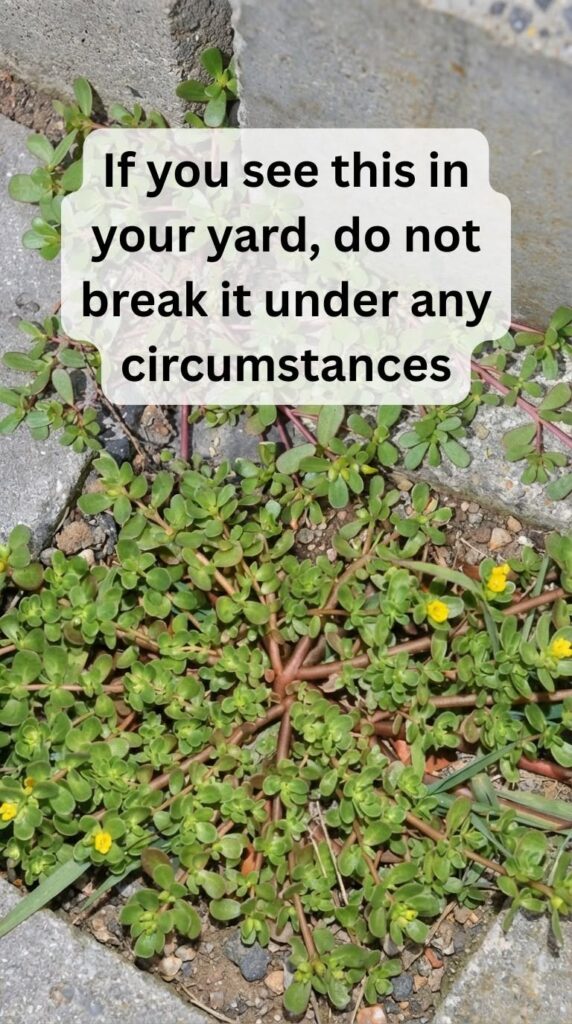
Proper Identification Matters
Never consume wild plants unless you are confident in their identification.
Some plants can resemble purslane but are not edible.
Harvest only from safe locations free from:
- Pesticides
- Road contaminants
- Animal waste
Oxalate Content
Purslane contains oxalates, naturally occurring compounds also found in foods such as spinach and beet greens.
People with a history of certain kidney stones may wish to discuss oxalate intake with their healthcare provider.
Moderation remains important.
Frequently Asked Questions
Is purslane really edible?
Yes. Purslane has been consumed for centuries and is commonly used in many cuisines around the world.
Why is purslane called a superfood?
It contains omega-3 fatty acids, antioxidants, vitamins, and minerals while remaining low in calories.
Can I eat purslane raw?
Yes. Many people enjoy it raw in salads and sandwiches.
Is purslane healthier than spinach?
Both are nutritious. Each provides different nutrients and health benefits.
Are there any risks?
Proper identification is essential, and individuals with certain kidney stone histories may need to monitor oxalate intake.
Conclusion
8 Reasons to Leave Purslane Growing - The "Weed" That's Actually a Superfood! demonstrates why this overlooked plant deserves a second look. Rich in omega-3 fatty acids, antioxidants, vitamins, minerals, and culinary versatility, purslane offers far more than its reputation as a garden weed might suggest.
While it is not a miracle food, it represents an excellent example of how nutritious plants can sometimes be hiding in plain sight. By understanding its benefits, limitations, and safe use, gardeners and food enthusiasts alike may discover that the plant they’ve been pulling for years is actually worth preserving.



Leave a Reply