
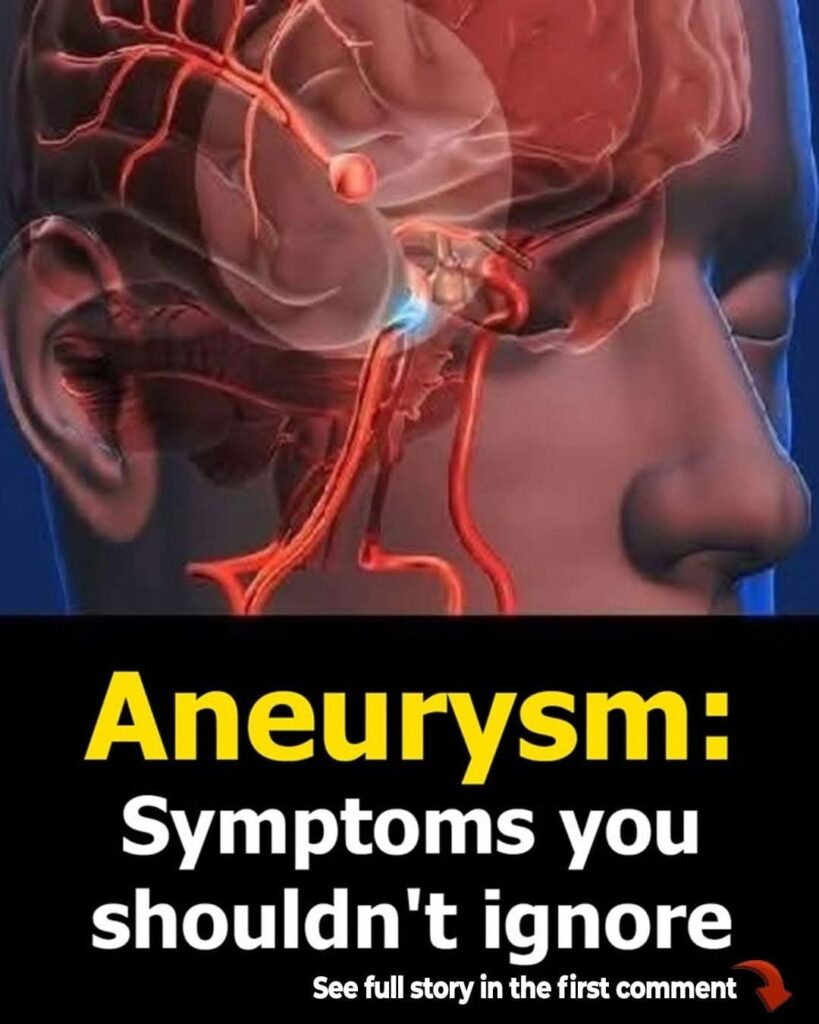
1. A Sudden, Severe Headache
Often described as:
“The worst headache of my life.”
This symptom is especially concerning if it appears abruptly and intensely.
A sudden severe headache may indicate bleeding from a ruptured aneurysm and requires emergency medical attention.
2. Pain Behind or Above One Eye
An enlarging aneurysm may press on nearby structures, causing:
- Deep eye pain
- Pressure sensations
- Persistent discomfort around one eye
3. Double Vision
Pressure on nerves controlling eye movement can lead to:
- Double vision
- Difficulty focusing
- Visual disturbances
4. Drooping Eyelid
A drooping eyelid may occur when an aneurysm affects certain cranial nerves.
This symptom warrants prompt medical evaluation.
5. Dilated Pupil
One pupil appearing larger than the other can sometimes signal nerve compression.
Sudden changes in pupil size should be assessed immediately.
6. Blurred Vision
Vision changes may include:
- Blurriness
- Reduced visual clarity
- Difficulty reading
Any unexplained visual symptoms deserve attention.
7. Numbness or Weakness
Depending on location, an aneurysm may affect nearby nerves and cause:
- Facial numbness
- Weakness in an arm or leg
- Altered sensation
These symptoms can also occur with strokes and other neurological conditions.
8. Difficulty Speaking
Problems with speech may include:
- Slurred words
- Difficulty finding words
- Trouble understanding language
Sudden speech difficulties require emergency evaluation.
9. Balance Problems
Some individuals experience:
- Dizziness
- Unsteadiness
- Coordination difficulties
While many conditions can cause dizziness, neurological symptoms should not be dismissed.
10. Neck Pain or Stiffness
Particularly when accompanied by headache, neck stiffness can be a concerning symptom.
If severe or sudden, immediate medical assessment is important.
11. Sensitivity to Light
Photophobia (light sensitivity) sometimes accompanies bleeding around the brain.
When combined with a sudden severe headache, it may indicate a medical emergency.
12. Nausea and Vomiting
Unexpected nausea and vomiting can accompany increased pressure inside the skull.
When paired with neurological symptoms, urgent care is needed.
Warning Signs of a Ruptured Aneurysm
A ruptured brain aneurysm is a medical emergency.
Common symptoms include:
- Sudden explosive headache
- Loss of consciousness
- Seizures
- Confusion
- Vision changes
- Severe nausea or vomiting
- Weakness or paralysis
Call emergency services immediately if these symptoms occur.
Who Is at Higher Risk?
Certain factors may increase aneurysm risk.
These include:
High Blood Pressure
Chronically elevated blood pressure places stress on blood vessel walls.
Smoking
Smoking is one of the strongest modifiable risk factors.
Family History
A family history of aneurysms may increase risk.
Increasing Age
Risk generally rises with age.
Certain Genetic Conditions
Some inherited disorders affect blood vessel structure and integrity.
What Happens If an Aneurysm Is Found?
Not every aneurysm requires immediate surgery.
Treatment depends on factors such as:
- Size
- Location
- Growth rate
- Overall health
- Risk of rupture
Management options may include:
- Monitoring with imaging
- Blood pressure control
- Lifestyle changes
- Surgical clipping
- Endovascular coiling
- Other specialized procedures
Treatment decisions are highly individualized.
Can Aneurysms Be Prevented?
Not all aneurysms can be prevented.
However, certain habits may help reduce risk:
Control Blood Pressure
Follow medical recommendations to maintain healthy blood pressure levels.
Avoid Tobacco
Smoking cessation can significantly reduce vascular risk.
Exercise Regularly
Physical activity supports cardiovascular health.
Eat a Balanced Diet
Focus on fruits, vegetables, whole grains, lean proteins, and healthy fats.
Manage Chronic Conditions
Proper management of diabetes, high cholesterol, and other conditions supports overall vascular health.
The Importance of Listening to Your Body
Most headaches are not aneurysms.
Most episodes of dizziness are not aneurysms.
Most vision changes are not aneurysms.
But when symptoms are sudden, severe, unusual, or accompanied by neurological changes, seeking medical attention can be critical.
The challenge with aneurysms is that they are often silent-until they aren’t.
Final Thoughts
Aneurysms are often symptom-free, but some can produce warning signs before becoming life-threatening. Symptoms such as sudden severe headaches, vision changes, drooping eyelids, weakness, or speech difficulties should never be ignored.
Recognizing potential warning signs and seeking prompt medical evaluation can make a significant difference in outcomes. While these symptoms may have many possible causes, it’s always safer to have concerning neurological symptoms assessed by a healthcare professional.
When it comes to brain health, timely action can be lifesaving.



Leave a Reply