
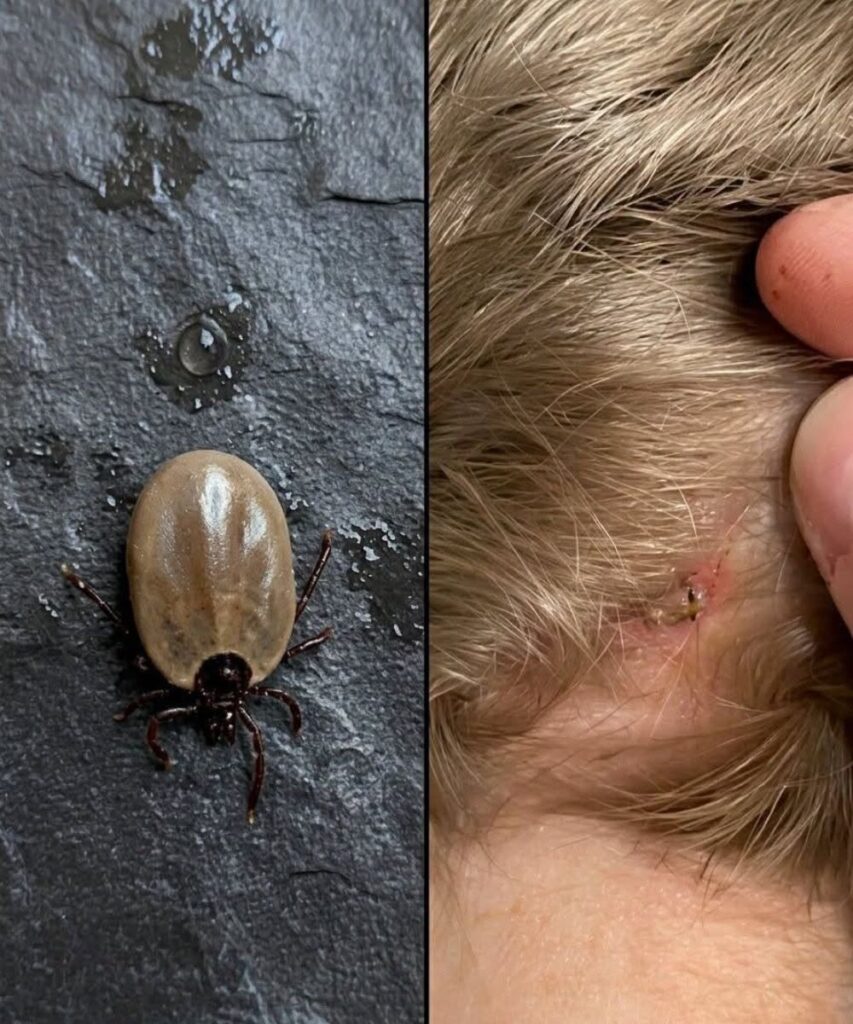
Few parenting moments trigger panic quite as quickly as discovering tiny insects or eggs in your child’s hair.
One minute you’re helping with homework, brushing hair after bath time, or getting ready for school. The next, you spot something unusual near the scalp and immediately begin imagining worst-case scenarios.
Many parents experience an instant wave of emotions:
- Shock
- Embarrassment
- Frustration
- Concern
- Confusion
The good news is that head lice are extremely common, especially among school-age children. While they can certainly be inconvenient and irritating, they are not a sign of poor hygiene, neglect, or an unclean home.
The condition is known as Head Lice Infestation, and millions of families deal with it every year.
Understanding what lice are, how they spread, and how to respond calmly can make the experience much less stressful for both parents and children.
Understanding Head Lice
What Are Head Lice?
Head lice are tiny insects that live on the human scalp and feed on small amounts of blood.
Adult lice are usually:
- About the size of a sesame seed
- Grayish or tan in color
- Difficult to spot quickly
- Fast-moving
They spend most of their lives close to the scalp where warmth and food are readily available.
What Are Nits?
Nits are lice eggs.
They appear as:
- Tiny oval-shaped dots
- White, yellow, or tan in color
- Firmly attached to hair shafts
Unlike dandruff, nits do not easily brush away.
They are often found:
- Behind the ears
- Near the neckline
- Close to the scalp
First: Stay Calm
Lice Are Common
One of the most important things to remember is that lice are extremely common among children.
Schools, daycare centers, sports teams, and playgroups all provide opportunities for close contact.
Many families experience lice at least once.
Finding lice does not mean:
- Your home is dirty
- Your child lacks hygiene
- You have done something wrong
Lice simply take advantage of close human contact.
Panic Doesn’t Help
When parents panic, children often become frightened as well.
A calm response helps everyone think clearly and address the situation effectively.
Rather than focusing on embarrassment, focus on practical steps.
Lice are manageable.
How Lice Spread
Direct Head-to-Head Contact
The most common way lice spread is through direct contact between heads.
This can happen when children:
- Play together
- Hug
- Take selfies
- Read side by side
- Participate in group activities
Lice cannot jump.
They cannot fly.
Instead, they crawl from one person to another.
Sharing Personal Items
Although less common, lice may occasionally spread through shared items such as:
- Hats
- Hairbrushes
- Hair accessories
- Helmets
- Scarves
However, direct head contact remains the primary route of transmission.
How to Check for Lice
Find Good Lighting
A thorough inspection begins with good lighting.
Natural daylight or a bright lamp works best.
Because lice move quickly and blend into hair, proper lighting is important.
What to Look For
Check carefully for:
- Tiny moving insects
- Nits attached near the scalp
- Persistent scratching
- Redness from irritation
Focus especially on:
- Behind the ears
- The back of the neck
- Around the crown of the head
Use a Fine-Tooth Lice Comb
A specialized lice comb can help identify both lice and eggs.
Comb slowly through small sections of damp hair.
Examine the comb after each pass.
Common Symptoms of Head Lice
Itching
The most frequently reported symptom is itching.
This occurs because the scalp reacts to lice bites.
However, not every child develops itching immediately.
Some children may carry lice for weeks before symptoms appear.
Tickling Sensation
Some children describe feeling:
- Crawling sensations
- Tickling
- Mild discomfort
Others may not notice anything unusual.
Irritated Skin
Frequent scratching can lead to:
- Redness
- Small sores
- Skin irritation
These symptoms are usually secondary to scratching rather than the lice themselves.
Treatment Options
Over-the-Counter Products
Many pharmacies carry lice treatments specifically designed to eliminate lice.
When using these products:
- Follow instructions carefully
- Use the recommended amount
- Observe timing guidelines
- Repeat treatment if directed
Carefully reading product instructions improves effectiveness.
Prescription Treatments
If over-the-counter products fail, healthcare providers may recommend prescription options.
Professional guidance may be helpful in persistent cases.
The Wet-Combing Method
A Non-Chemical Option
Many families successfully use wet-combing techniques.
The process involves:
- Wetting the hair.
- Applying conditioner.
- Dividing hair into sections.
- Using a fine-tooth lice comb.
- Removing lice and nits manually.
Consistency Is Important
Wet-combing usually requires repetition.
Many experts recommend repeating the process every few days until no lice remain.
Patience often leads to success.
Cleaning the Home
What Actually Needs Cleaning?
One of the biggest misconceptions about lice is that the entire house must be disinfected.
Fortunately, this is usually unnecessary.
Focus on items used recently, such as:
- Pillowcases
- Bedding
- Hats
- Hair accessories
Washing these items in hot water is often sufficient.
Vacuuming
Vacuuming upholstered furniture and carpets may provide additional peace of mind.
However, extensive deep cleaning is generally not required.
What You Don’t Need to Do
Most experts do not recommend:
- Throwing away furniture
- Replacing mattresses
- Discarding clothing
- Using excessive pesticides
These measures rarely improve outcomes.
Common Myths About Head Lice
Myth: Only Dirty Children Get Lice
This is one of the most persistent myths.
The truth is that lice do not care whether hair is:
- Clean
- Dirty
- Long
- Short
- Curly
- Straight
They simply seek human hair and a scalp.
Myth: Pets Spread Head Lice
Human head lice live on humans.
Dogs, cats, and other household pets do not spread human head lice.
Myth: Lice Can Jump
Lice cannot jump like fleas.
They move by crawling.
Understanding this helps reduce unnecessary fears.
Myth: You Must Throw Everything Away
Fortunately, lice management does not require replacing household belongings.
Simple cleaning measures are usually sufficient.
Supporting Your Child Emotionally
Avoid Shame
Children often feel embarrassed when they learn they have lice.
They may worry about:
- Being teased
- Being judged
- Missing school
- Being different
Parents can help by remaining calm and supportive.
Reassure Them
Helpful reminders include:
- Lots of children get lice.
- It is treatable.
- It is not their fault.
- They did nothing wrong.
These messages reduce anxiety and help children feel secure.
Focus on Solutions
Instead of dwelling on the problem, focus on the plan.
Children generally feel more confident when they know adults are handling the situation calmly.
When to Seek Medical Advice
Treatment Isn’t Working
Consult a healthcare professional if:
- Lice persist despite treatment
- New lice continue appearing
- Multiple treatment attempts fail
Signs of Infection
Seek medical guidance if the scalp develops:
- Significant redness
- Swelling
- Drainage
- Signs of infection
Scratching can sometimes lead to skin complications.
Severe Reactions
Some children may experience irritation from treatment products.
A healthcare provider can recommend alternatives if necessary.
Frequently Asked Questions
Do lice mean poor hygiene?
No. Lice affect people regardless of cleanliness.
Can lice jump from one child to another?
No. Lice crawl rather than jump or fly.
Do I need to disinfect my entire house?
Usually not. Basic cleaning of recently used items is generally enough.
Can pets carry head lice?
No. Human head lice live on humans.
Should my child feel embarrassed?
Absolutely not. Lice are common and treatable.
Final Thoughts
Finding head lice in your child’s hair can be unsettling, but it is far from a parenting disaster. Head lice infestations are common, manageable, and unrelated to cleanliness or parenting ability.
The most effective response is a calm one. Careful checking, appropriate treatment, routine cleaning, and emotional reassurance usually resolve the problem successfully.
Most importantly, remember that children often take emotional cues from the adults around them. When parents remain calm, children are more likely to feel safe and confident throughout the process.
Lice may be unwelcome guests, but with patience and a practical approach, they are usually temporary visitors-and not nearly as frightening as they first appear.



Leave a Reply