
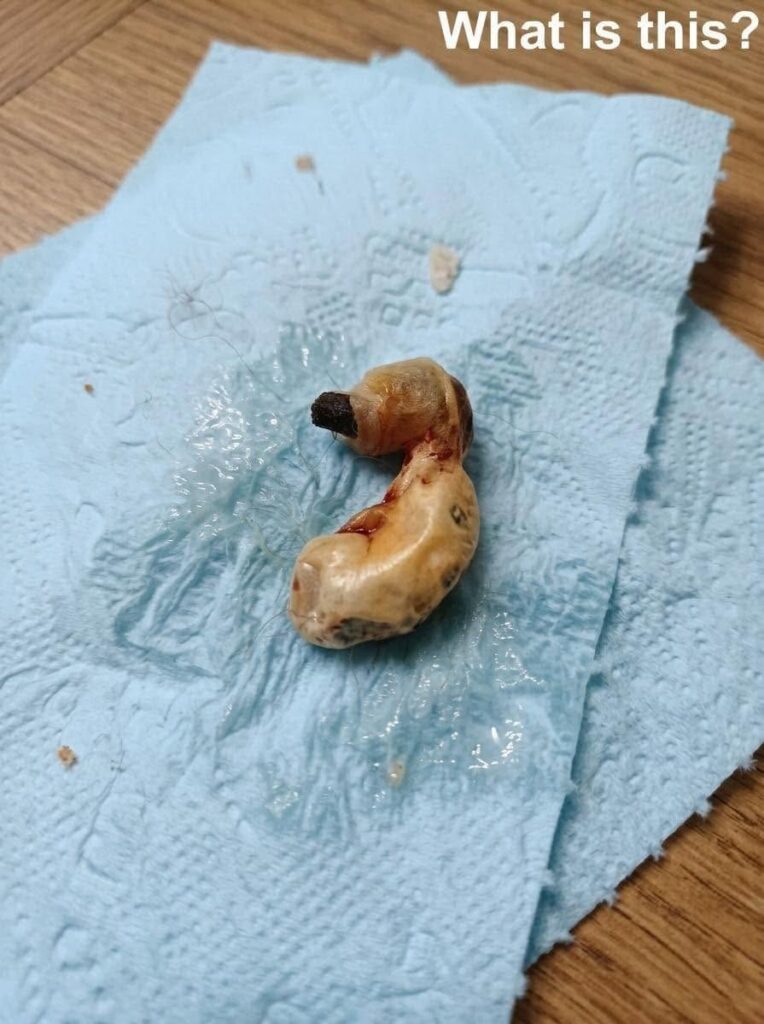
Every few weeks, a dramatic headline appears online claiming that someone stepped into the shower, washed their hair, and discovered something horrifying falling out.
The stories often feature alarming phrases such as:
- “I screamed when I saw what came out of my hair!”
- “Doctors couldn’t believe it!”
- “This happens more often than you think!”
- “You’ll check your hair immediately after reading this!”
Naturally, these headlines attract attention.
After all, our hair is part of our appearance and identity. The idea that something strange, unhealthy, or even living could suddenly emerge during a routine shower is enough to make anyone curious.
Fortunately, most of these stories turn out to be far less dramatic than the headlines suggest.
In reality, what people discover in the shower is usually a perfectly normal part of human biology. Understanding what commonly falls out of hair-and what should actually concern you-can help separate fact from internet fear-mongering.
Why Shower Discoveries Feel So Alarming
Everything Appears at Once
One reason shower experiences can seem dramatic is that many natural processes become visible simultaneously.
Throughout the day, your scalp continuously sheds hairs.
However, loose hairs don’t always fall immediately.
Instead, they often remain trapped among surrounding strands until washing, brushing, or combing dislodges them.
When dozens of shed hairs release at the same time, the amount can appear shocking.
Water Makes Everything More Noticeable
Wet hair behaves differently than dry hair.
Strands tend to:
- Stick together
- Form larger clumps
- Collect around fingers
- Gather near the drain
As a result, normal shedding can suddenly appear much more significant than it really is.
Normal Hair Shedding: The Most Common Explanation
Hair Loss Is Part of the Growth Cycle
Many people are surprised to learn that losing hair every day is completely normal.
Hair grows in cycles that include:
- Growth
- Transition
- Resting
- Shedding
At any given time, some hairs are naturally reaching the end of their cycle.
How Much Hair Is Normal to Lose?
Healthy individuals commonly lose:
- 50 to 100 hairs per day
For people with long hair, this amount can look especially dramatic.
When several days’ worth of shed hairs accumulate before a wash, the resulting clump may seem alarming even though it’s completely normal.
Why It Looks Worse in the Shower
The shower creates the perfect environment for loose hairs to gather.
Conditioner, water, and gentle scalp massage help release strands that were already scheduled to shed.
The result is often a visible collection of hair that appears larger than expected.
Product Buildup and Scalp Debris
White Flakes Can Cause Concern
Another common shower surprise involves small white particles.
People sometimes mistake these flakes for:
- Skin conditions
- Parasites
- Infections
- Unusual growths
In many cases, they are simply scalp flakes.
Common Causes of Flaking
Flakes may result from:
- Dry scalp
- Product buildup
- Skin turnover
- Mild irritation
One common condition associated with scalp flaking is seborrheic dermatitis.
This condition affects many people and is generally manageable with appropriate care.
Product Residue
Hair products can accumulate over time.
Examples include:
- Dry shampoo
- Hair spray
- Styling creams
- Gels
- Conditioners
When mixed with natural oils and dead skin cells, these products can create small particles that become visible during washing.
Hair Mats and Tangles
Long Hair Traps Loose Strands
People with longer hair often experience another harmless phenomenon.
Loose hairs may become entangled within the rest of the hair instead of falling away immediately.
Over several days, these shed hairs accumulate.
Why the Clump Looks So Large
When washing finally loosens the trapped strands, dozens of hairs may emerge together.
The resulting bundle often appears much larger than expected.
Many individuals interpret this as sudden hair loss when it is actually several days of normal shedding occurring at once.
Could It Be Head Lice?
A Common Fear
One of the first worries many people have after discovering something unusual in their hair is lice.
Head lice are real and relatively common, particularly among school-aged children.
How Lice Actually Behave
Contrary to some viral stories, lice do not typically fall out in dramatic clusters.
Instead, they:
- Cling tightly to hair shafts
- Move slowly
- Lay eggs close to the scalp
Lice infestations are usually identified through:
- Persistent itching
- Visible nits (eggs)
- Direct observation of insects
Finding a large clump of material in the shower is rarely the typical presentation of head lice.
Scalp Mites and Internet Myths
The Truth About Mites
Online content sometimes claims that shower discoveries involve mites living on the scalp.
In reality, microscopic organisms naturally inhabit human skin.
However, they are generally:
- Invisible to the naked eye
- Harmless
- Part of the normal skin ecosystem
People do not usually see mites falling from their hair during routine washing.
Why These Stories Spread
The idea of hidden organisms living on the body triggers strong emotional reactions.
Because fear attracts attention, these stories often gain significant online traction despite lacking context.
Seasonal Hair Shedding
Hair Loss Can Fluctuate
Some individuals notice increased shedding during certain times of year.
Researchers have observed seasonal variations in hair growth cycles.
Factors may include:
- Temperature changes
- Sunlight exposure
- Hormonal fluctuations
Temporary increases in shedding do not automatically indicate a health problem.
Stress and Hair Shedding
Physical or emotional stress can also influence hair cycles.
Events that sometimes trigger temporary shedding include:
- Illness
- Surgery
- Major life changes
- Significant stress
This type of shedding often improves over time.
When Hair Loss May Require Attention
Signs Worth Monitoring
Although most shower shedding is normal, certain patterns deserve attention.
Consider consulting a healthcare professional if you notice:
- Sudden excessive hair loss
- Bald patches
- Significant thinning
- Scalp pain
- Severe itching
- Redness or inflammation
These symptoms may indicate an underlying condition requiring evaluation.
Gradual vs. Sudden Changes
Normal shedding tends to occur gradually.
Sudden, dramatic changes are generally more important to investigate.
Documenting changes with photos can help identify trends over time.
Why Viral Hair Stories Spread So Quickly
Fear Is Highly Shareable
Human psychology plays a major role in viral content.
Stories involving:
- Hair
- Health
- Parasites
- Unexpected discoveries
often trigger immediate emotional reactions.
People share them because they provoke:
- Curiosity
- Concern
- Disgust
- Surprise
The Headline Leaves Out Context
Many viral articles rely on incomplete information.
The headline creates suspense while withholding the explanation.
Readers imagine worst-case scenarios before learning the actual cause.
Most of the time, the explanation turns out to be far more ordinary than expected.
Tips for Healthy Hair and Scalp Care
Wash Appropriately
Different hair types require different washing schedules.
Overwashing and underwashing can both contribute to scalp issues.
Use Gentle Products
Products that match your hair and scalp needs can help minimize irritation and buildup.
Maintain Good Nutrition
Healthy hair growth depends on adequate intake of:
- Protein
- Iron
- Zinc
- Vitamins
- Essential nutrients
Monitor Changes
Pay attention to significant changes in:
- Hair density
- Scalp health
- Shedding patterns
Early awareness can help address potential concerns.
Frequently Asked Questions
Is it normal to lose hair in the shower?
Yes. Hair shedding is a natural part of the growth cycle, and washing often releases hairs that were already ready to fall out.
How much hair loss is considered normal?
Many people lose between 50 and 100 hairs per day as part of normal hair turnover.
Can conditioner make hair fall out?
Conditioner does not typically cause hair loss. It often helps release hairs that had already detached from the scalp.
Do lice fall out in clumps?
No. Lice generally cling tightly to hair and do not typically fall out in large visible clusters.
When should I see a doctor?
Consider medical evaluation if you experience sudden heavy shedding, bald patches, scalp pain, severe itching, or noticeable thinning.
Final Thoughts
The next time you encounter a frightening headline about something horrifying falling out of someone’s hair in the shower, remember that reality is usually much less dramatic.
In most cases, the explanation involves completely normal processes such as hair shedding, scalp flakes, product buildup, or tangled strands finally releasing during washing.
While certain symptoms deserve attention, the majority of shower-related hair discoveries are harmless and expected parts of everyday biology.
Sometimes what feels like a shocking mystery is simply your body’s natural maintenance system doing exactly what it’s supposed to do.
And that’s far less scary than the internet would have you believe.



Leave a Reply