
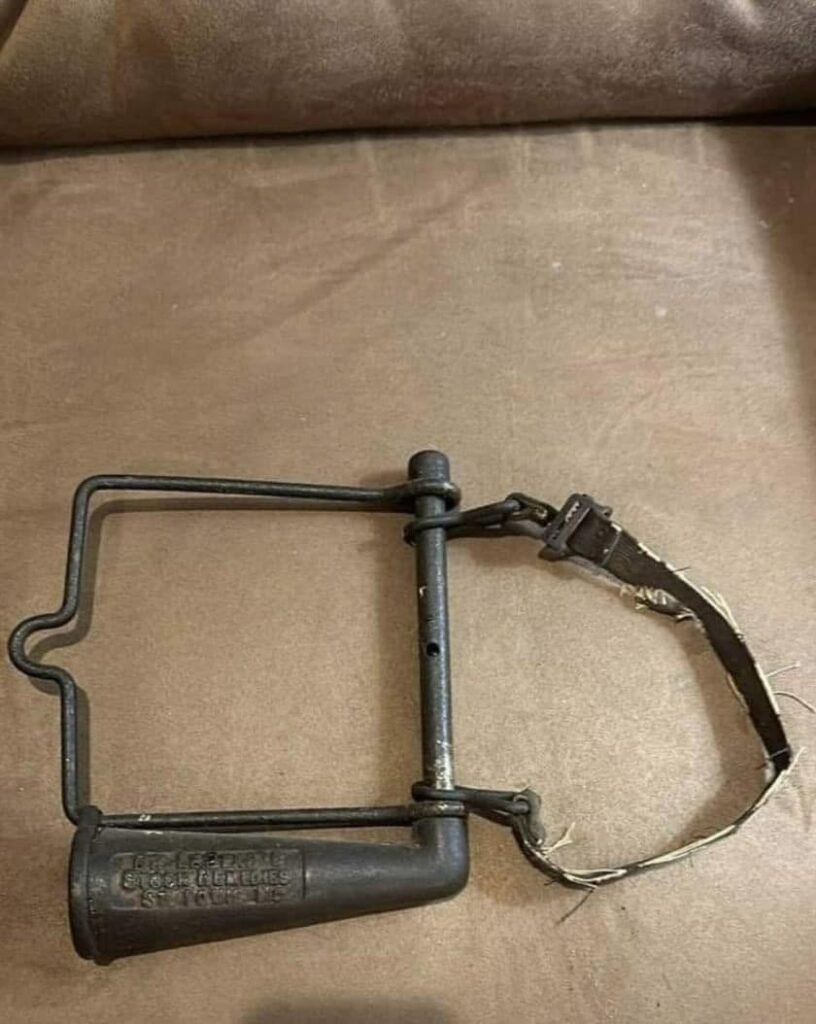
Every so often, an unusual antique object appears online and leaves thousands of people guessing.
Some believe it’s a strange kitchen gadget. Others think it’s a forgotten industrial tool. A few even assume it’s a medieval medical instrument.
Then someone reveals its true identity:
An antique horse drencher.
At first glance, these old veterinary tools can look intimidating. Made from brass, steel, or other heavy metals, they often feature long tubes, plungers, pumps, and handles that seem more suited to a machine shop than an animal clinic.
Yet for generations of farmers, veterinarians, and horse owners, these devices were essential pieces of livestock care equipment.
Long before modern veterinary medicine developed convenient oral syringes, flavored medications, and advanced animal handling techniques, horse drenches provided a practical way to administer liquid medicines to valuable working animals.
Today, they serve as fascinating reminders of how animal healthcare has evolved over the past century.
What Is a Horse Drencher?
A Veterinary Dosing Tool
A horse drencher, sometimes called a veterinary dosing syringe, drench gun, or stomach pump, was designed to deliver liquid medications directly into a horse’s mouth.
Its primary purpose was to ensure that a horse received the full dose of medicine, even if the animal resisted treatment.
The term “drenching” referred to the process of administering a liquid remedy orally.
Veterinarians and farmers used these tools to deliver:
- Deworming solutions
- Digestive treatments
- Nutritional supplements
- Fever remedies
- General medicines
- Electrolyte mixtures
For many years, drenching represented one of the most effective ways to treat large animals.
Why Horses Needed Them
Unlike people, horses rarely cooperate when unpleasant medicine is offered.
Many medications have bitter tastes or unusual textures.
Without specialized equipment, ensuring a horse swallowed an entire dose could be extremely difficult.
The horse drencher solved this problem by delivering medicine directly into the mouth or throat.
How Horse Drenchers Worked
The Basic Design
Although designs varied, most antique horse drenches shared similar features.
They typically included:
- A metal reservoir or chamber
- A long nozzle or tube
- A plunger or pump mechanism
- A handle for control
The medicine would be placed inside the reservoir before administration.
The operator would then carefully position the nozzle and release the liquid.
Delivering the Medication
Once the horse was properly restrained, the nozzle was inserted into the mouth.
The liquid was then pumped or pushed through the device and into the animal’s throat.
The goal was to ensure the horse swallowed the treatment rather than spitting it out.
This process required experience, patience, and caution.
Improper use could cause stress or injury to the animal.
Why These Tools Look So Strange Today
A Different Era of Veterinary Medicine
Modern veterinary equipment is designed with comfort, safety, and efficiency in mind.
Today’s horse medications often come in:
- Oral paste syringes
- Gel formulations
- Flavored medications
- Pre-measured doses
As a result, modern tools tend to be smaller, lighter, and easier to use.
By comparison, antique drenches often appear bulky and intimidating.
Heavy Materials
Many early veterinary instruments were constructed from durable metals such as:
- Brass
- Steel
- Iron
Manufacturers prioritized longevity over comfort or appearance.
Because these devices were intended for repeated use on farms, they needed to withstand harsh conditions and years of service.
Their rugged construction contributes to their unusual appearance today.
The Importance of Horses in Earlier Times
Horses Were Essential Workers
To understand why horse drenches were so important, it helps to remember the role horses played in daily life.
Before widespread mechanization, horses powered:
- Transportation
- Agriculture
- Freight movement
- Mail delivery
- Military operations
A healthy horse represented a valuable economic asset.
Keeping horses healthy was often critical to a family’s livelihood.
Veterinary Care Was Limited
In rural communities, veterinary services were not always readily available.
Farmers frequently administered treatments themselves.
As a result, practical tools like horse drenches became common equipment on farms.
Common Treatments Delivered Through Drenching
Deworming Solutions
Internal parasites posed a major challenge for horse health.
Drenching allowed owners to administer liquid dewormers effectively.
These treatments helped improve:
- Weight maintenance
- Digestion
- Energy levels
- Overall health
Digestive Remedies
Horses can experience various digestive issues, including colic and stomach discomfort.
Liquid preparations were often used to address these concerns.
Nutritional Supplements
When horses became weak or malnourished, liquid supplements could be administered through a drench.
These preparations sometimes contained:
- Minerals
- Vitamins
- Herbal ingredients
- Energy-supporting nutrients
The Evolution of Animal Healthcare
Improved Understanding
Veterinary science has advanced dramatically over the past century.
Modern professionals now have access to:
- Diagnostic imaging
- Laboratory testing
- Safer medications
- Evidence-based treatments
As knowledge expanded, older practices were gradually replaced.
Better Animal Welfare Standards
Contemporary veterinary medicine places strong emphasis on minimizing stress and discomfort.
Modern treatment methods aim to be:
- Safer
- Less invasive
- More precise
- More comfortable for animals
Many historical techniques would not meet today’s animal welfare expectations.
Collecting Antique Veterinary Tools
Growing Interest Among Collectors
Antique horse drenches have become popular among collectors interested in:
- Agricultural history
- Veterinary medicine
- Farm equipment
- Rural life
Their unusual appearance often makes them conversation pieces.
Museum Displays
Many museums feature antique veterinary equipment as part of agricultural history exhibits.
These displays help visitors understand how animal healthcare evolved over time.
Horse drenches are frequently displayed alongside:
- Horseshoes
- Harnesses
- Veterinary instruments
- Farm tools
Together, these artifacts tell the story of rural life before modern technology.
How To Identify an Antique Horse Drencher
Common Characteristics
Collectors often look for several identifying features:
- Long metal nozzle
- Cylindrical reservoir
- Pump mechanism
- Brass construction
- Signs of veterinary use
The exact design varies depending on the manufacturer and era.
Maker’s Marks
Some antique drenches feature:
- Manufacturer names
- Patent dates
- Serial numbers
- Company logos
These markings can help determine age and origin.
Are Antique Horse Drenchers Valuable?
Factors Affecting Value
The value of an antique horse drencher depends on several factors:
- Condition
- Age
- Rarity
- Manufacturer
- Historical significance
Well-preserved examples often attract greater interest from collectors.
Historical Rather Than Practical Value
Today, these items are appreciated primarily for their historical significance.
Most collectors view them as artifacts rather than functional tools.
Their value lies in the stories they tell about veterinary history and agricultural life.
Why They Should Not Be Used Today
Safety Concerns
Although fascinating as collectibles, antique drenches are not suitable for modern animal care.
Potential concerns include:
- Wear and damage
- Sanitation issues
- Lack of precision
- Increased risk of injury
Modern Alternatives Are Better
Today’s veterinary products offer:
- Greater accuracy
- Improved safety
- Better animal comfort
- Easier administration
For these reasons, antique drenches are best left to collectors and museums.
Frequently Asked Questions
What is an antique horse drencher?
It is a veterinary tool once used to administer liquid medicines directly into a horse’s mouth or throat.
Why was it called a drencher?
The term “drenching” referred to giving liquid medicine orally to livestock.
Were these tools commonly used?
Yes. Before modern veterinary equipment became available, horse drenches were widely used on farms and ranches.
Are antique horse drenches valuable?
Some can be collectible, especially if they are rare, well-preserved, or historically significant.
Can they still be used today?
No. Modern veterinary equipment is safer, more precise, and more appropriate for contemporary animal care.
Final Thoughts
The antique horse drencher may look strange to modern eyes, but it played an important role in the history of animal healthcare. For generations, farmers and veterinarians relied on these sturdy metal tools to deliver medicines and treatments to valuable working horses.
Although modern veterinary science has replaced these devices with safer and more effective alternatives, antique horse drenches remain fascinating artifacts from a time when livestock care depended heavily on practical ingenuity and durable equipment.
Today, they serve as reminders of how far veterinary medicine has come-and of the important role horses once played in everyday life.
What appears to be a mysterious brass instrument is actually a small piece of agricultural history, preserving the story of early animal healthcare for future generations.



Leave a Reply