
Have you ever scrolled through social media and seen claims that a simple glass of ginger water can “melt belly fat overnight,” “flush toxins instantly,” or “help you lose pounds while you sleep”?
These promises appear everywhere. One post shows dramatic before-and-after photos. Another claims a secret morning routine changed someone’s life in just days. The message is almost always the same: drink ginger water and watch the weight disappear.
The reality, however, is much less dramatic-and much more interesting.
Ginger has been valued for centuries in many cultures for its flavor and traditional uses. Modern research has explored its potential effects on digestion, nausea, inflammation, and appetite. While some findings are promising, no credible scientific evidence shows that ginger water alone can produce significant weight loss or magically burn body fat.
That doesn’t mean ginger water is useless. In fact, it can be a refreshing, low-calorie beverage that supports healthy habits when used as part of an overall balanced lifestyle.
Let’s separate internet hype from real science and explore what ginger water can actually do for your body.
What Exactly Is Ginger Water?
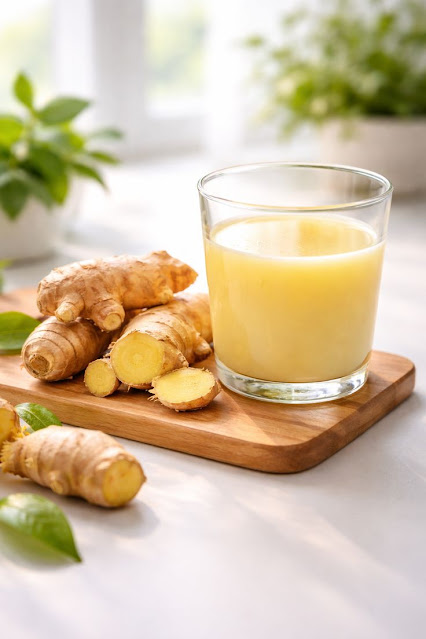
Ginger water is one of the simplest beverages you can make.
At its most basic, it contains:
- Fresh ginger root
- Hot or cold water
Some people also add:
- Lemon
- Mint leaves
- Cinnamon
- Honey
- Cucumber slices
The flavor is naturally spicy, slightly peppery, and warming. Many people enjoy it first thing in the morning, while others drink it throughout the day as a caffeine-free alternative to soda or sugary beverages.
Unlike commercial wellness drinks that often contain large amounts of sugar, homemade ginger water is typically very low in calories.
This alone can make it a useful choice for people trying to improve their eating habits.
Why Ginger Has Become a Wellness Superstar
Ginger has earned a reputation as one of the world’s most popular natural ingredients.
For thousands of years, people have used ginger in cooking and traditional wellness practices.
Today, scientists have identified several naturally occurring compounds in ginger, including:
- Gingerols
- Shogaols
- Zingerone
These compounds contribute to ginger’s distinctive taste and aroma.
Researchers have studied them for possible effects on:
- Digestion
- Nausea
- Inflammation
- Appetite regulation
- Metabolic processes
While research continues, many of the bold claims found online go far beyond what studies have actually demonstrated.
The Truth About Ginger and Weight Loss
Can Ginger Burn Fat?
This is the claim that appears most often online.
Unfortunately, there is no evidence that drinking ginger water directly burns body fat.
Fat loss occurs when the body consistently uses more energy than it consumes over time.
This process depends on factors such as:
- Food intake
- Physical activity
- Sleep quality
- Hormonal balance
- Genetics
- Stress levels
No single food or beverage overrides these factors.
What Research Actually Suggests
Some small studies suggest ginger may have modest effects on:
- Feelings of fullness
- Appetite regulation
- Digestive comfort
Researchers have explored whether ginger might slightly increase thermogenesis, the process by which the body produces heat.
However, any effect appears to be small and not sufficient to create dramatic weight loss on its own.
The key word is modest.
Many internet articles turn modest findings into extraordinary claims.
The science simply doesn’t support those exaggerated conclusions.
How Ginger Water May Indirectly Support Healthy Habits
Although ginger water isn’t a miracle solution, it may still support weight-management efforts in practical ways.
Encourages Hydration
Many people struggle to drink enough water.
Adding ginger can make water more enjoyable.
Proper hydration supports:
- Normal body functions
- Exercise performance
- Digestion
- Energy levels
Sometimes thirst is mistaken for hunger, causing unnecessary snacking.
Choosing flavored water instead of sugary beverages may help reduce overall calorie intake.
Replaces High-Calorie Drinks
This may be one of ginger water’s most useful benefits.
Consider the calorie differences:
- Soda: often 140-200 calories per serving
- Sweetened coffee drinks: 200-500+ calories
- Energy drinks: 100-300 calories
- Ginger water: typically near zero calories
Replacing high-calorie beverages with ginger water can contribute to a healthier calorie balance over time.
Supports Mindful Eating
Many people find that drinking a warm beverage before meals encourages slower eating.
Eating slowly can help individuals recognize fullness signals more effectively.
Again, ginger itself isn’t creating weight loss.
Rather, it may support habits that contribute to better dietary choices.
Other Potential Benefits of Ginger Water
Digestive Comfort
Ginger is perhaps best known for its digestive benefits.
Many people use ginger to help manage occasional:
- Nausea
- Motion sickness
- Mild stomach discomfort
This is one of the areas where scientific support is strongest.
Morning Routine Benefits
Starting the day with a warm beverage can feel calming and refreshing.
Many people report that ginger water helps them:
- Feel more hydrated
- Begin the day mindfully
- Reduce reliance on sugary drinks
These benefits may seem small, but healthy routines often begin with small daily choices.
Antioxidant Content
Ginger contains compounds with antioxidant properties.
Antioxidants help protect cells from damage caused by normal metabolic processes.
While ginger should not be viewed as a cure-all, incorporating antioxidant-rich foods and beverages into a balanced diet is generally considered beneficial.
Common Myths About Ginger Water
Myth #1: It Melts Belly Fat Overnight
This claim has no scientific support.
No drink can target fat loss from a specific body area.
The body determines where fat is lost based on genetics and physiology.
Myth #2: It Detoxifies the Body
Your body already has sophisticated detoxification systems.
The liver, kidneys, lungs, and digestive system continuously remove waste products.
Ginger water does not replace these natural processes.
Myth #3: More Ginger Means Faster Results
Some people assume that consuming large amounts of ginger will accelerate benefits.
More is not always better.
Excessive ginger intake may increase the risk of:
- Heartburn
- Stomach irritation
- Digestive discomfort
Moderation remains important.
Myth #4: It Works Without Lifestyle Changes
No beverage can compensate for:
- Chronic overeating
- Lack of exercise
- Poor sleep habits
- High stress levels
Long-term health improvements require consistent habits.
The Real Keys to Sustainable Weight Management
Research consistently points toward several factors that matter far more than any trendy drink.
Balanced Nutrition
Healthy eating patterns generally emphasize:
- Fruits
- Vegetables
- Lean proteins
- Whole grains
- Healthy fats
Consistency matters more than perfection.
Physical Activity
Regular movement supports:
- Cardiovascular health
- Muscle maintenance
- Energy expenditure
- Mental well-being
The best exercise is often the one you can maintain long-term.
Quality Sleep
Sleep affects:
- Appetite hormones
- Energy levels
- Food cravings
- Recovery
People who regularly sleep too little often find weight management more challenging.
Stress Management
Chronic stress may influence eating behaviors and overall health.
Helpful strategies include:
- Walking
- Meditation
- Reading
- Social connection
- Relaxation techniques
Who Should Be Careful With Ginger?
Although ginger is generally safe for most people, certain individuals should exercise caution.
These may include people who:
- Take blood-thinning medications
- Have certain digestive disorders
- Experience frequent acid reflux
- Have specific medical conditions requiring dietary restrictions
Anyone with concerns should consult a healthcare professional before consuming large amounts of ginger regularly.
A Simple Ginger Water Recipe
Making ginger water at home is easy.
Ingredients
- 1-2 inches fresh ginger root
- 2 cups water
- Lemon slices (optional)
- Mint leaves (optional)
Instructions
- Wash and slice the ginger.
- Bring water to a gentle boil.
- Add ginger slices.
- Simmer for 5-10 minutes.
- Remove from heat.
- Allow to cool slightly.
- Add lemon or mint if desired.
- Serve warm or chilled.
This simple preparation provides flavor without excessive calories or added sugar.
Frequently Asked Questions
How often can I drink ginger water?
Most healthy adults can enjoy ginger water daily in moderate amounts.
Is ginger water better in the morning?
Not necessarily. Morning consumption is popular, but benefits are not limited to any specific time of day.
Will ginger water help me lose weight?
Ginger water may support healthy habits, but it does not directly cause significant weight loss.
Can I add honey?
Yes, but remember that honey adds calories and sugar.
Is fresh ginger better than powdered ginger?
Fresh ginger is often preferred for flavor, though both forms contain beneficial compounds.
Final Thoughts
Ginger water has earned a reputation as a wellness drink, but many online claims dramatically exaggerate its effects. It will not melt fat overnight, detoxify your body, or replace healthy eating and exercise.
What it can do is much simpler.
It can help you stay hydrated.
It can provide a flavorful alternative to sugary beverages.
It may support digestion and contribute to enjoyable daily routines.
Those benefits might not sound as exciting as viral promises, but they are grounded in reality.
The most effective health habits are rarely dramatic. Instead, they are the small, consistent choices repeated day after day.
A glass of ginger water can certainly be one of those choices-but it works best as part of a balanced lifestyle, not as a miracle cure.
The healthiest approach is usually the simplest one: stay hydrated, eat well, move regularly, get enough sleep, and view wellness trends with a healthy dose of skepticism.
Because when it comes to long-term health, consistency beats shortcuts every time.



Leave a Reply