
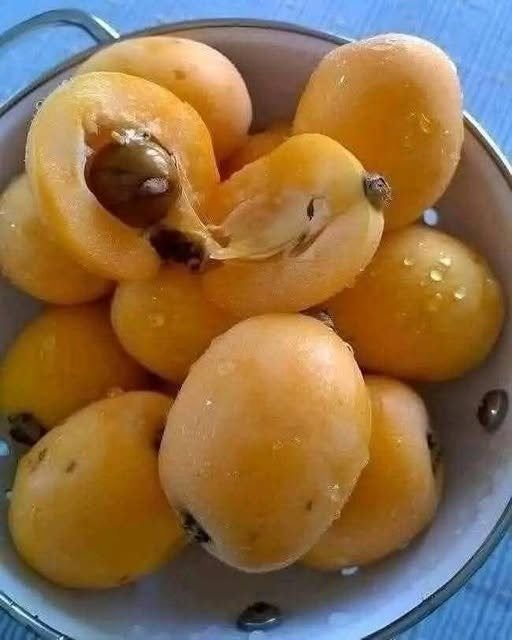
There is something deeply nostalgic about the scent of simmering apricots. As they soften and release their juices, the kitchen fills with a warm, golden aroma that feels like summer itself. Traditional Apricot (Mishmish) Jam captures that fleeting sweetness in its purest form, preserving ripe fruit at its peak with nothing more than sugar, lemon, and time.
This old-fashioned method relies on gentle maceration and slow cooking rather than commercial pectin or shortcuts. The result is a jam that is glossy, fragrant, and perfectly balanced—bright with citrus, softly honeyed from the fruit, and rich with natural apricot flavor. It is simple, honest food made the way generations of home cooks have always done it.
Why You’ll Love This Recipe
This is not just jam. It is summer preserved in a jar.
By allowing the apricots to rest with sugar before cooking, their natural juices are drawn out, creating depth and complexity that quick-boil jams simply cannot achieve. Without added pectin, the texture stays velvety and natural, with no chalky aftertaste—just pure fruit.
This Traditional Apricot (Mishmish) Jam is ideal for anyone who believes jam should taste like fruit, not sugar.
Perfect for:
- Preserving a seasonal apricot harvest
- Homemade gifts for holidays or special occasions
- Elevating breakfast, cheese boards, or desserts
- Bakers looking for natural fruit fillings
- Anyone who loves traditional, additive-free preserves
Ingredients
- 2 pounds fresh apricots (about 6–8 cups), ripe but still firm
(Mishmish apricots if using Middle Eastern varieties) - 1½ to 2 cups granulated sugar, adjusted to taste
- 2 tablespoons fresh lemon juice (about 1 lemon)
- ¼ cup water (optional, only if apricots are very dry or underripe)
Note: Leaving the skins on adds beautiful color, subtle texture, and extra fiber. Peel them if you prefer a smoother jam.
Instructions
1. Prepare the Apricots
Rinse the apricots gently under cool running water. Cut them in half and remove the pits. Chop the fruit into evenly sized pieces, about ½ inch. Uniform pieces ensure even cooking and a consistent texture.
2. Macerate the Fruit
Place the chopped apricots into a heavy-bottomed pot, preferably stainless steel or enameled cast iron. Add the sugar and lemon juice, then stir until the fruit is well coated.
Let the mixture rest at room temperature for 30 minutes. During this time, the sugar begins dissolving and draws out the apricots’ natural juices, forming a fragrant syrup at the bottom of the pot. This step is key to developing deep flavor.
3. Cook the Jam
Set the pot over medium-low heat and bring the mixture to a gentle simmer, stirring occasionally. Once it begins bubbling softly, reduce the heat to low and cook uncovered for 30 to 50 minutes.
Stir every 5 to 10 minutes to prevent sticking or scorching. As it cooks, the jam will darken slightly, thicken, and develop a glossy, jewel-like sheen.
For a smoother texture, gently mash the fruit with a potato masher halfway through cooking.
4. Test for Doneness
Use the plate test to check if the jam has set. Place a small plate in the freezer for a few minutes. Spoon a teaspoon of hot jam onto the cold plate and wait one minute. Push the edge with your finger.
If it wrinkles and holds its shape, the jam is ready. If it runs, continue cooking for another 5 to 10 minutes and test again.
5. Jar and Store
Ladle the hot jam into sterilized glass jars, leaving about ¼ inch of headspace. Wipe the rims clean, seal with lids, and allow the jars to cool completely.
- Refrigerator: Keeps for up to 3 weeks
- Long-term storage: Process sealed jars in a boiling water bath for 10 minutes to preserve for up to 1 year
Serving Suggestions
- Swirl into Greek yogurt or oatmeal
- Spread on warm sourdough toast with ricotta and honey
- Use as a filling for thumbprint cookies or linzer tarts
- Pair with sharp cheddar or goat cheese on a cheese board
- Brush onto roasted chicken or pork during the final minutes of cooking
Frequently Asked Questions
Can I use frozen apricots?
Yes. Thaw completely and drain excess liquid before cooking. You may need to extend the cooking time by 10–15 minutes.
Why doesn’t this recipe use pectin?
Apricots naturally contain pectin, especially when slightly underripe. Lemon juice boosts acidity, helping the jam set without additives.
How much sugar should I use?
Taste your fruit first. Very sweet apricots usually need only 1½ cups, while tart fruit may require the full 2 cups. For shelf-stable jam, do not reduce sugar below 1½ cups.
Can I make it completely smooth?
Yes. After cooking, strain the jam through a fine-mesh sieve before jarring for a silky, seedless texture.
Allergy & Dietary Information
- Dairy-free
- Nut-free
- Gluten-free
- Soy-free
- Egg-free
- Vegan and vegetarian friendly
- Paleo-friendly when made with unrefined sugar
Nutrition Information
(Per 1 tablespoon, approximate)
- Calories: 45
- Protein: 0 g
- Fat: 0 g
- Carbohydrates: 11 g
- Fiber: 0.5 g
- Sugar: 10 g
- Sodium: 0 mg
Values may vary depending on fruit ripeness and sugar amount used.
Final Thoughts
This Traditional Apricot (Mishmish) Jam is more than a preserve. It is a reminder that the best flavors come from patience, ripe fruit, and simple techniques passed down through generations.
There are no shortcuts here, no artificial thickeners, and no distractions—just time, care, and the quiet pleasure of turning fresh apricots into something lasting and beautiful.
Tie on your apron, stir slowly, and capture a little sunshine for the months ahead. Your future self—and everyone lucky enough to taste it—will be grateful.


Leave a Reply