
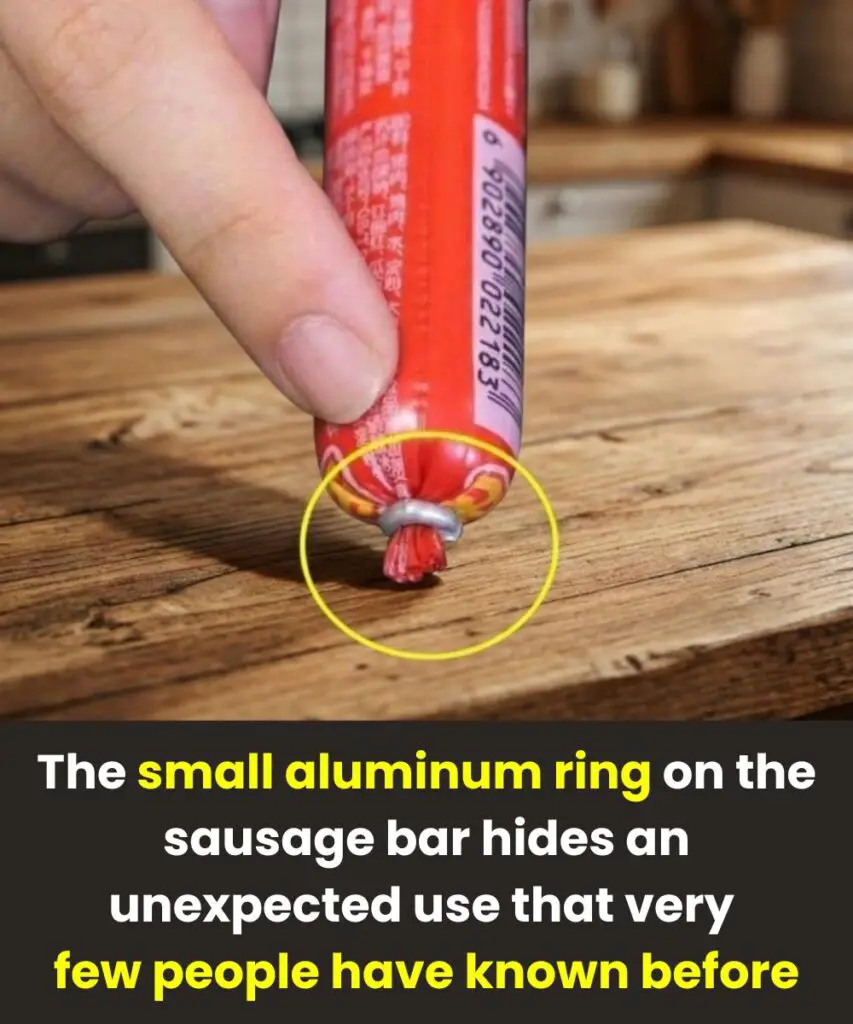
Most of us have seen it countless times without ever thinking about it. That tiny aluminum ring crimped onto the end of a sausage usually gets sliced off and tossed away without a second thought. However, that small metal clip plays a surprisingly important role in keeping your food fresh and safe.
It is not just there to make the packaging look neat. In fact, it is a smart piece of food engineering designed for preservation, efficiency, and consistency.
More Than Just a Simple Seal
At first glance, the aluminum ring seems basic. It clamps the sausage casing shut so the filling stays inside. While that is true, its function goes much deeper than simple closure.
The clip creates a tight, uniform seal by compressing the casing with consistent pressure. Because it crimps evenly around the casing, it blocks air from entering the sausage. That detail makes a big difference.
When oxygen gets into food packaging, it accelerates spoilage. Exposure to air can lead to:
- Faster bacterial growth
- Moisture loss
- Flavor deterioration
- Texture changes
- Shorter shelf life
By minimizing oxygen exposure, the aluminum ring helps preserve freshness and maintain flavor. Unlike string or twist ties, aluminum does not absorb moisture or odors. Therefore, it offers a cleaner, more stable sealing method.
A Key Player in Food Safety
Food safety relies on controlling contamination and extending shelf stability. The aluminum clip supports both.
Because the clip forms a mechanical crimp, it reduces the risk of leakage during storage and transportation. A tight seal prevents juices from escaping and external contaminants from entering.
In addition, aluminum resists corrosion. That quality ensures the clip remains intact during refrigeration and humidity changes. Plastic alternatives can weaken or deform under certain conditions. In contrast, aluminum maintains its structure.
Manufacturers also favor aluminum because it is food-safe when used correctly. It does not react with the casing under normal storage conditions, and it stays stable at typical refrigeration temperatures.
A Built-In Helper During Production
Most consumers never see what happens inside a food processing facility. However, that tiny aluminum ring plays a major role behind the scenes.
In commercial production lines, sausages move quickly through automated systems. Machines fill, twist, portion, and seal thousands of units per hour. The aluminum clip provides a reliable anchor point for this process.
Because the clip is strong yet lightweight, it allows machinery to:
- Grip and transport sausages
- Hang them for smoking or curing
- Separate portions evenly
- Maintain consistent tension
For smoked or cured sausages, maintaining casing tension is critical. If the casing loosens, the shape becomes uneven. The clip keeps everything tight during drying and smoking, which improves uniform texture and appearance.
Without this secure crimp, production would slow significantly. Manufacturers would need alternative sealing methods that may be less consistent and more labor-intensive.
Why Aluminum Instead of Plastic or String?
It may seem logical to use plastic clips or traditional string. However, aluminum offers several practical advantages.
First, aluminum forms a precise mechanical crimp. It compresses evenly and holds its shape. Plastic can stretch or deform, especially under pressure.
Second, aluminum withstands higher temperatures than many plastics. While you should always remove the clip before cooking, aluminum is less likely to melt or warp during brief exposure to warmth in processing environments.
Third, aluminum does not absorb moisture. String ties, although traditional, can retain moisture and potentially harbor bacteria if not handled carefully.
Additionally, aluminum clips are easy to detect visually and mechanically. That bright silver ring clearly marks the end of the casing, which helps both factory workers and consumers identify where to cut.
Designed for Speed and Consistency
Modern food production depends on speed, accuracy, and hygiene. The aluminum sausage ring supports all three.
Specialized crimping machines apply clips in milliseconds. This allows large volumes of sausages to be sealed quickly and uniformly. As a result, manufacturers achieve:
- Consistent portion sizes
- Reliable packaging integrity
- Improved shelf stability
- Reduced production time
Even small inconsistencies in sealing can lead to spoilage or recalls. Therefore, that tiny clip plays a quiet but crucial role in quality control.
Because it is lightweight and inexpensive, it also keeps costs manageable while maintaining high standards.
Important: Always Remove Before Cooking
Although aluminum offers durability, it is not meant to be cooked or consumed. Always remove the clip before placing sausages in a pan, oven, or grill.
The clip does not enhance cooking. Instead, it simply protects the product before preparation. Removing it prevents accidental damage to cookware and eliminates any choking hazard.
A Small Detail With a Big Purpose
It is easy to overlook everyday design features. However, the tiny aluminum ring on a sausage represents thoughtful engineering. It protects freshness, supports food safety, assists automated production, and ensures consistent presentation from factory to store shelf.
The next time you snip off that small silver ring, you might pause for a moment. It has already done its job—preserving quality, maintaining hygiene, and helping deliver a reliable product to your kitchen.




Leave a Reply