
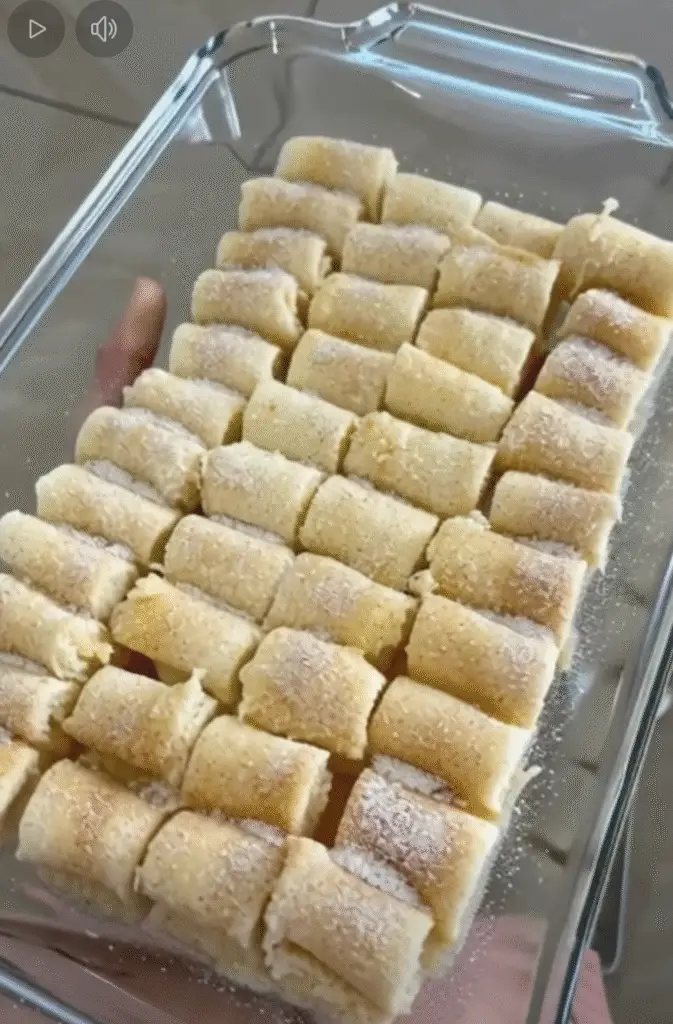
Sugar Snails (Swedish Cinnamon Sugar Pastries) are soft, buttery yeast pastries with elegant spirals, a fragrant cinnamon-sugar filling, and a crisp topping of pearl sugar. These pastries are a staple of Scandinavian bakeries and home kitchens alike, often enjoyed during a relaxed coffee break or shared with guests. Light yet indulgent, they strike a perfect balance between comfort and refinement.
The first time I encountered sugar snails was during a quiet afternoon when the rhythm of baking felt slower and more intentional. The dough rose gently while the kitchen filled with the smell of yeast and butter. Rolling the dough into tight spirals felt almost meditative, and when they came out of the oven golden and sparkling with sugar, they seemed too pretty to rush. That moment captured exactly what these pastries represent: a pause, a treat, and a reason to savor the day.
What Makes Sugar Snails a Scandinavian Classic
Rooted in Fika Tradition
Sugar snails are closely tied to the Scandinavian tradition of fika, a daily coffee break meant for slowing down and connecting. These pastries are not overly sweet, which makes them ideal companions for strong coffee or tea.
Because they are yeast-based, sugar snails have a light crumb that feels satisfying without being heavy. This balance is why they are often chosen for both casual mornings and more formal gatherings.
Elegant Yet Approachable
Despite their bakery-style appearance, sugar snails are surprisingly approachable to make at home. The dough is forgiving, and the shaping process is straightforward once the basics are understood.
Their spiral shape and pearl sugar topping make them look impressive, even though the ingredients are simple and familiar.
Understanding the Dough
Yeast Activation Done Right
The dough begins with warm milk, yeast, and sugar. The milk should feel warm but not hot, as excessive heat can kill the yeast. Allowing the mixture to rest until foamy ensures the yeast is active and ready to leaven the dough.
This step sets the foundation for a soft, tender pastry.
Building a Soft, Enriched Dough
Adding egg and melted butter enriches the dough, giving sugar snails their signature softness. Kneading develops gluten, which provides structure while keeping the crumb light.
The dough should feel smooth and slightly elastic, pulling away from the bowl without becoming stiff.
The Importance of the First Rise
Developing Flavor and Texture
Letting the dough rise until doubled allows yeast to develop flavor while creating air pockets that lead to a tender crumb. Covering the bowl prevents drying and keeps the dough supple.
This rise is essential for achieving pastries that feel light rather than dense.
Timing and Environment
A warm, draft-free spot helps the dough rise consistently. While one hour is typical, the dough should guide the timing. Doubling in size matters more than the clock.
Patience during this stage pays off in texture and flavor.
Equipment
- Mixing Bowl
- Rolling Pin
- baking sheet
Ingredients
- 3/4 cup warm milk
- 2.25 tsp active dry yeast
- 1/4 cup granulated sugar
- 1 egg
- 1/3 cup unsalted butter, melted
- 3.5 cups all-purpose flour
- 1/2 tsp salt
- 1/3 cup unsalted butter, softened
- 1/2 cup brown sugar
- 1.5 tsp ground cinnamon
- 1 egg, for egg wash
- 1/4 cup pearl sugar
Instructions
- Mix warm milk, yeast, and sugar. Let rest until foamy.
- Add egg, melted butter, salt, and flour. Knead until smooth.
- Cover and let dough rise until doubled, about 1 hour.
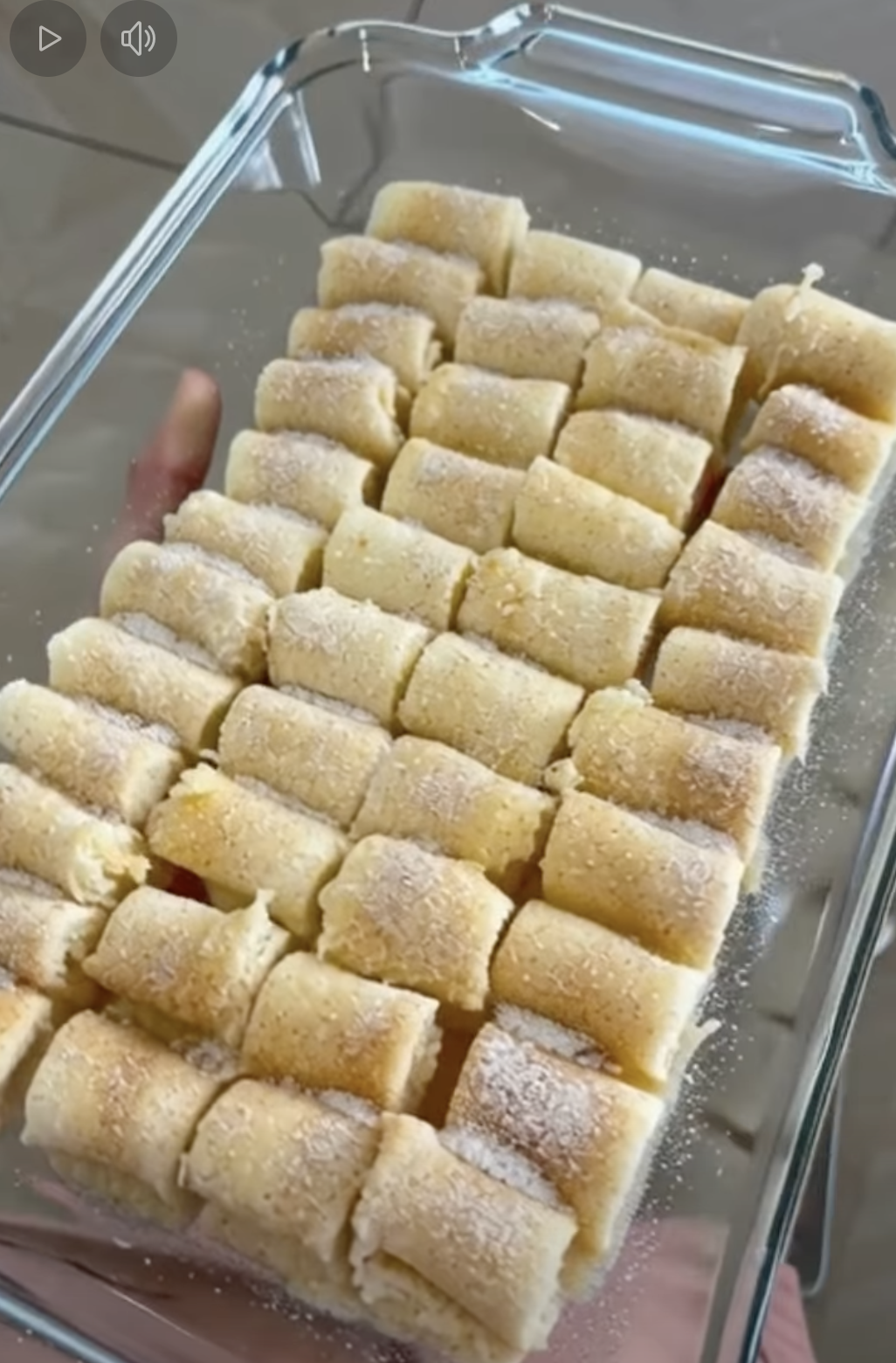
- Roll dough into a rectangle, spread butter, sprinkle sugar and cinnamon, roll tightly, and slice.
- Place on lined tray, cover, and let rise 30 minutes.
- Brush with egg wash, sprinkle pearl sugar, and bake at 375°F for 15–18 minutes.
Notes
Nutrition
Creating the Cinnamon Sugar Filling
Butter as the Base
Softened butter spreads easily across the rolled dough, ensuring even coverage. This layer helps the sugar and cinnamon adhere and melt into the dough as it bakes.
Using unsalted butter allows better control over flavor balance.
Balancing Sweetness and Spice
Brown sugar adds moisture and a deeper caramel note compared to white sugar. Cinnamon provides warmth without overpowering the pastry.
This combination creates a filling that is flavorful but not overly sweet.
Shaping the Signature Spiral
Rolling and Slicing
Rolling the dough into a rectangle ensures even thickness. Rolling it tightly after adding the filling creates defined spirals that hold their shape during baking.
Using a sharp knife helps keep the layers clean when slicing into individual pastries.
Second Rise for Lightness
Placing the sliced pastries on a lined tray and allowing them to rise again gives them final volume. This second rise ensures the centers bake through while staying soft.
Skipping this step can lead to denser pastries.
Baking to Golden Perfection
Egg Wash for Shine
Brushing the pastries with egg wash before baking adds a glossy finish and helps the pearl sugar adhere. This step enhances both appearance and texture.
A light hand prevents excess pooling around the base.
Pearl Sugar Topping
Pearl sugar provides a crunchy contrast that does not melt in the oven. Its crisp texture sets sugar snails apart from other cinnamon pastries.
If pearl sugar is unavailable, coarse sugar works as a substitute, though the texture will be slightly different.
Cooling and Serving
Letting Them Set
Allowing the pastries to cool slightly helps the structure set while keeping the interior warm and tender. They are best enjoyed fresh but remain soft for several hours.
Cooling too long before serving can dull the contrast between soft crumb and crisp topping.
Perfect Pairings
Sugar snails pair naturally with coffee or tea. Their gentle sweetness complements strong brews without overpowering them.
They also work well as part of a brunch spread or afternoon snack.
Storage and Make-Ahead Tips
Short-Term Storage
Stored in an airtight container at room temperature, sugar snails stay fresh for up to two days. Reheating briefly restores softness.
Avoid refrigeration, which can dry them out.
Freezing for Later
The baked pastries freeze well. Thawing at room temperature and warming gently makes them taste freshly baked.
Dough can also be frozen after shaping, then baked fresh when needed.
Simple Variations
Flavor Additions
Adding cardamom to the filling introduces a traditional Scandinavian twist. A light drizzle of vanilla glaze can add extra sweetness for special occasions.
These additions keep the recipe versatile.
Adjusting Sweetness
Reducing the sugar slightly creates a more subtle pastry, ideal for those who prefer less sweetness. The structure remains unchanged.
Small adjustments allow customization without compromising results.
FAQ
1. Can I use instant yeast instead of active dry yeast?
Yes, but skip the activation step and mix it directly with dry ingredients.
2. What if I don’t have pearl sugar?
Coarse sugar works, though pearl sugar gives the best crunch.
3. Can the dough be made ahead?
Yes, refrigerate overnight after the first rise.
4. Are these similar to cinnamon rolls?
They are lighter and less sweet, with a more delicate crumb.
5. Can I make them smaller?
Yes, slice thinner spirals and reduce baking time slightly.
Conclusion
Sugar Snails (Swedish Cinnamon Sugar Pastries) offer a beautiful balance of simplicity and elegance. With soft, buttery dough, warm cinnamon filling, and a crisp sugar topping, they embody the comforting spirit of Scandinavian baking. Whether enjoyed during a quiet coffee break or shared with guests, these pastries turn ordinary moments into something worth savoring.

Leave a Reply