
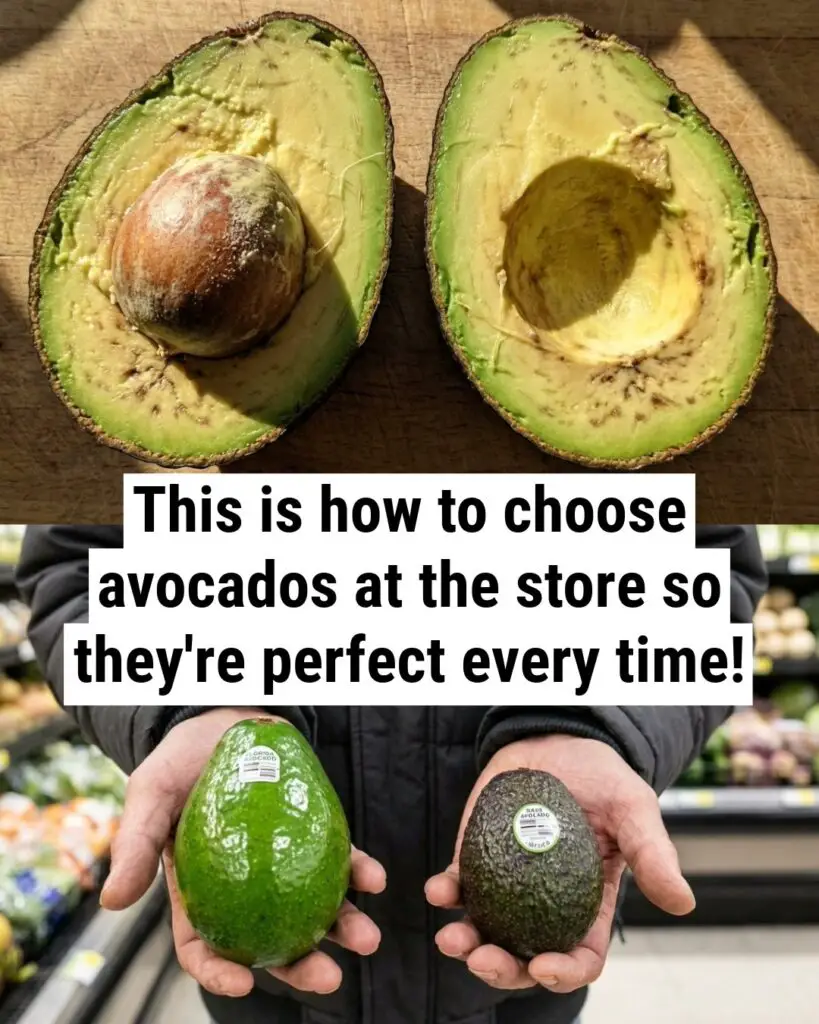
Avocados can feel like a guessing game. One day they’re rock hard, and the next they’re brown and mushy inside. If you’ve ever sliced into a disappointing avocado, you know the frustration. Fortunately, this simple hack to tell if an avocado is ripe or bad takes the mystery out of the process.
Instead of squeezing every fruit on the shelf or relying on color alone, you can use a few easy tricks that actually work. With the right method, you’ll choose perfectly ripe avocados every time and avoid wasting money on rotten ones.
Let’s break down the foolproof way to pick the best avocado at the store.
Why It’s So Hard to Tell if an Avocado Is Ripe or Bad
Avocados Ripen from the Inside Out
Unlike many fruits, avocados ripen internally before the outer skin shows obvious signs. Therefore, judging ripeness by appearance alone often leads to mistakes.
For example, some avocados stay dark green even when unripe. Meanwhile, others turn almost black yet remain perfectly creamy inside. Because of this inconsistency, many shoppers rely on squeezing, which can damage the fruit.
Additionally, avocados continue ripening after harvest. Grocery stores stock them at different stages, so you might find firm, ripe, and overripe fruit in the same display.
Different Varieties Behave Differently
The most common variety in the United States is the Hass avocado. However, other varieties exist, and they don’t all change color the same way.
Hass avocados typically darken as they ripen. In contrast, some green-skinned varieties stay bright green even when soft. As a result, you must use more than one method to tell if an avocado is ripe or bad.
I learned this lesson the hard way after buying what looked like a perfectly dark avocado for taco night. I assumed darker meant riper. Unfortunately, when I cut it open, the inside looked brown and stringy. Since then, I’ve relied on the stem test and gentle pressure instead of guessing by color alone. That small shift changed everything.
Now, I rarely waste an avocado.
The 3-Step Avocado Selection Method
1. The Stem Test: Your #1 Tool
The stem test remains the most reliable way to tell if an avocado is ripe or bad.
First, locate the small brown nub at the top of the avocado. Gently flick it off with your thumb. Do not dig into the fruit. Simply remove the tiny cap.
Then check the color underneath:
- Bright green: perfectly ripe and ready to eat today
- Yellowish-green: almost ripe, ready in 1–2 days
- Brown: likely overripe, possibly bruised or stringy
- Empty hole or black residue: probably rotten inside
This method works because avocados ripen from the inside outward. The stem area reveals the true condition of the flesh near the core.
If the color looks vibrant and fresh, you’ve found a winner. However, if it appears dark or moldy, put it back immediately.
2. The Gentle Squeeze Method
After checking the stem, perform the squeeze test carefully.
Cradle the avocado in your palm. Avoid pressing with your fingertips, since that can bruise the flesh. Instead, apply light, even pressure using your whole hand.
Here’s what to look for:
- Firm with a slight give: ripe and ready
- Very hard: unripe and needs 4–5 days
- Very soft or dented: overripe
Importantly, never squeeze aggressively. Rough handling damages the fruit and creates brown spots inside.
Use this method as confirmation, not your only test.
3. Know Your Variety and Color Clues
While the stem test leads the way, color still provides helpful clues.
Hass avocados darken as they ripen, shifting from bright green to deep green or nearly black. However, color alone does not guarantee ripeness.
Green-skinned varieties, on the other hand, remain green even when ripe. Therefore, always combine color observation with the stem and squeeze methods.
By using all three steps together, you dramatically improve your chances of choosing the perfect avocado.
How to Tell if an Avocado Is Bad Before Cutting It
Warning Signs at the Store
While minor surface blemishes are normal, certain red flags signal spoilage.
Avoid avocados that:
- Feel extremely mushy
- Have large sunken dents
- Leak liquid
- Smell sour near the stem
- Have mold around the top
Additionally, if the stem area looks black and slimy, the inside likely contains rot.
What to Look for After Cutting
Sometimes you won’t know until you slice it open. When you do, check for:
- Large brown or black patches
- Stringy texture throughout
- Sour or unpleasant smell
- Grayish flesh
However, small brown spots do not automatically mean the avocado is bad. You can trim minor bruises and still enjoy the rest.
If the flesh remains mostly green and smells fresh, it’s safe to eat.
How to Ripen an Avocado Properly
Speed Up Ripening Naturally
If you bring home a hard avocado, don’t worry. You can ripen it quickly with a simple trick.
Place the avocado in a paper bag with a banana or apple. These fruits release ethylene gas, which speeds up ripening. Leave the bag at room temperature for 1–3 days.
Check daily using the gentle squeeze method.
Avoid refrigerating unripe avocados, since cold temperatures slow the ripening process dramatically.
Slow Down Ripening When Needed
On the other hand, if your avocado feels perfectly ripe but you’re not ready to eat it, refrigerate it immediately. Cold temperatures slow further softening.
Refrigeration buys you an extra 1–2 days before the fruit turns overly soft.
If you’ve already cut the avocado, brush the flesh with lemon or lime juice, press plastic wrap tightly against the surface, and store it in the refrigerator. This helps prevent browning.
Creative Ways to Use Overripe Avocados
Don’t Throw It Away Too Quickly
If your avocado feels slightly too soft but not rotten, you can still use it.
Overripe avocados work beautifully in:
- Guacamole
- Smoothies
- Salad dressings
- Avocado toast
- Chocolate avocado pudding
Simply remove any bruised or brown areas first.
When to Toss It
However, if the avocado smells sour, tastes bitter, or shows widespread black streaks, discard it immediately.
Food safety matters. When in doubt, throw it out.
Frequently Asked Questions
How long does an avocado take to ripen?
A hard avocado typically takes 4–5 days at room temperature to ripen naturally.
Can I ripen an avocado in the microwave?
You can soften it slightly, but microwaving does not create true ripeness. The flavor and texture often suffer.
Why does my avocado turn brown so fast?
Exposure to air causes oxidation. Lemon or lime juice slows this process.
Is a brown avocado always bad?
Not always. Small brown spots are usually bruises. Large dark patches with sour smell indicate spoilage.
Should I remove the stem before buying?
Yes, but gently. The stem test remains the most reliable way to tell if an avocado is ripe or bad.
Conclusion
Choosing the perfect avocado does not have to feel like a gamble. By using the stem test, applying gentle pressure, and understanding color clues, you can confidently tell if an avocado is ripe or bad.
Instead of squeezing randomly or guessing based on color, follow the simple three-step method. As a result, you’ll waste less money, enjoy better flavor, and never fear cutting into a brown surprise again.
Once you master this trick, picking avocados becomes quick, easy, and almost foolproof.



Leave a Reply