
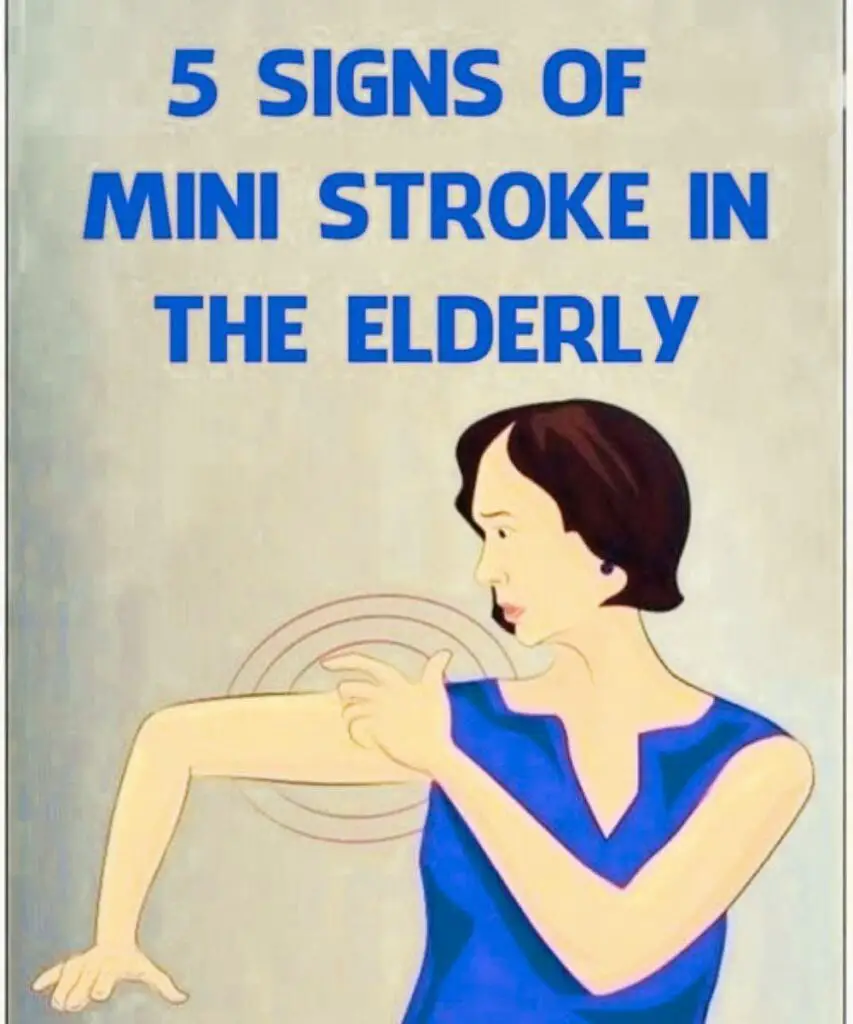
Turning 40 often changes how you think about your health. What once felt automatic—energy, focus, resilience—may begin to shift. For many people, this stage of life becomes the first real checkpoint for long-term heart and brain health. One condition that deserves serious attention at this age is the mini stroke, medically known as a transient ischemic attack, or TIA.
A mini stroke does not always leave lasting damage. However, it is never harmless. Instead, it is one of the clearest warnings your body can give that a major stroke may be approaching. Understanding what a mini stroke is, why it happens, and how to respond can make the difference between prevention and permanent disability.
What Is a Mini Stroke (TIA)?
A temporary blockage with serious meaning
A transient ischemic attack occurs when blood flow to part of the brain is temporarily reduced or blocked. This interruption usually happens because of a small blood clot, narrowed arteries, or plaque buildup in blood vessels. Unlike a full stroke, the blockage resolves on its own, restoring blood flow before permanent brain damage occurs.
Symptoms may last only a few minutes or up to several hours. Because they disappear, many people feel relieved and assume the danger has passed. That assumption can be deadly.
Why “temporary” is misleading
A TIA is best understood as a warning stroke. It means the conditions that cause strokes already exist in your body. Without intervention, the risk of a full stroke rises sharply in the days and months that follow.
Medical research shows that about one in three people who experience a TIA will later have a full stroke. Many of those strokes occur within the first few days.
Why Mini Strokes Are Especially Dangerous After 40
Age and lifestyle begin to intersect
After 40, natural aging combines with lifestyle factors to increase stress on blood vessels. Arteries may stiffen. Cholesterol can build up quietly. Blood pressure may creep upward without obvious symptoms.
These changes create the perfect environment for a TIA. Even people who feel generally healthy can be affected, especially if risk factors have gone unchecked for years.
Common risk factors that increase after 40
Several conditions significantly raise the risk of a mini stroke:
- High blood pressure, often undiagnosed
- High cholesterol levels
- Diabetes or prediabetes
- Smoking or past smoking history
- Obesity and lack of regular movement
- Atrial fibrillation, an irregular heart rhythm
- Family history of stroke or heart disease
Many of these are known as “silent” conditions because they cause damage long before noticeable symptoms appear.
Recognizing the Symptoms of a Mini Stroke
Symptoms appear suddenly
TIA symptoms come on without warning and should always be treated as an emergency. Even if they disappear quickly, they require immediate medical attention.
A helpful way to remember the most common signs is the F.A.S.T. method:
- Face: One side droops or feels numb
- Arms: Sudden weakness or inability to lift one arm
- Speech: Slurred speech or difficulty understanding words
- Time: Call emergency services immediately
Other possible warning signs
Not all TIAs present the same way. Additional symptoms may include:
- Sudden confusion or trouble thinking clearly
- Vision problems in one or both eyes
- Dizziness or loss of balance
- Difficulty walking
- Severe headache with no known cause
Because imaging tests are required to distinguish a TIA from a full stroke, it is never safe to wait and see if symptoms improve.
Why TIAs Are Often Ignored
Symptoms fade too quickly
One of the most dangerous aspects of a mini stroke is how quickly symptoms resolve. When weakness, confusion, or vision problems disappear, people often assume stress or fatigue was to blame.
This false reassurance delays care during the most critical window for prevention.
Misunderstanding stroke risk
Many people believe strokes only happen to the elderly or those with obvious health problems. In reality, strokes can occur at any age, and risk rises significantly after 40, even in people who appear healthy.
What Happens After a Mini Stroke
Emergency evaluation is essential
If a TIA is suspected, doctors act quickly. Testing often includes brain imaging such as a CT scan or MRI, heart monitoring, blood tests, and ultrasound of the neck arteries. These evaluations help identify the source of the blockage and guide treatment.
Treatment focuses on prevention
After a mini stroke, the goal is to prevent a full stroke. This may involve blood-thinning medications, cholesterol-lowering drugs, blood pressure control, and lifestyle changes. Follow-up care often begins within days, not months.
A TIA is not the end of the story. It is the start of stroke prevention.
How to Reduce Your Risk After 40
Monitor key health numbers
Regularly checking blood pressure, cholesterol, and blood sugar levels provides early warnings. Many dangerous trends can be reversed when caught early.
Move your body consistently
Physical activity improves circulation, lowers blood pressure, and supports healthy weight. Even daily walking can significantly reduce stroke risk.
Eat with your heart and brain in mind
A diet rich in vegetables, fruits, whole grains, lean proteins, and healthy fats supports vascular health. Reducing salt, sugar, and highly processed foods further lowers risk.
Address smoking and alcohol use
Smoking doubles stroke risk, while excessive alcohol raises blood pressure and damages blood vessels. Reducing or eliminating these habits offers immediate benefits.
Manage chronic conditions
Conditions like diabetes, high blood pressure, and atrial fibrillation require consistent management. Medication adherence and regular medical follow-up are critical.
A Wake-Up Call, Not a Sentence
A mini stroke is frightening, but it is also a powerful opportunity. It offers a chance to intervene before irreversible damage occurs. Many people who act quickly after a TIA go on to live full, healthy lives without ever experiencing a major stroke.
Ignoring the warning, however, allows risk to grow unchecked.
Final Thoughts
A mini stroke in people over 40 is never something to brush off. It is the brain’s alarm system, signaling that blood flow is under threat. While the symptoms may fade, the danger does not.
The good news is that most strokes are preventable. Awareness, timely action, and lifestyle changes can dramatically reduce risk.
If you are over 40, take your brain health seriously. Listen to sudden symptoms. Know your numbers. Seek care without delay.




Leave a Reply