
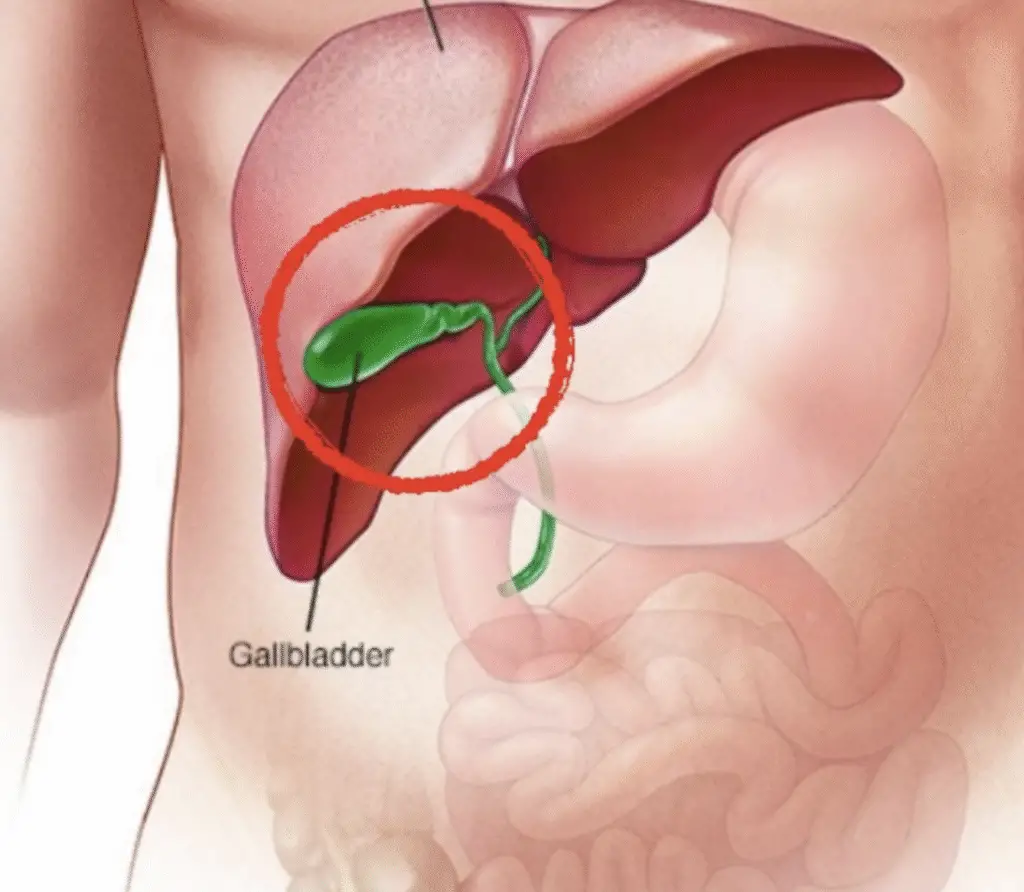
Life After Gallbladder Removal marks a transition many people never expected to navigate. Yet for millions, this experience becomes an invitation to slow down, listen inward, and rebuild trust with the body. The gallbladder may be small, but its role in digestion, balance, and comfort runs deep. When it is removed, the body does not fail. Instead, it adapts.
Life After Gallbladder Removal is not about deprivation or fear. Rather, it is about learning a new rhythm of nourishment, rest, and awareness. With patience and informed choices, most people go on to live full, vibrant lives.
A Personal Story of Adjustment and Grace
After surgery, I remember waiting for my body to “feel normal” again. At first, meals felt unpredictable. Some foods comforted me, while others quietly disagreed. Over time, I noticed patterns. Smaller meals helped. Warm foods soothed me. Rushing made things worse. As weeks passed, my confidence returned. Life After Gallbladder Removal taught me something I had overlooked for years: my body was always speaking. I simply needed to listen more gently.
When Gallbladder Removal Is Truly Necessary
When Watching and Waiting Is Enough
Life After Gallbladder Removal often begins with a difficult decision. Not every gallstone requires surgery. In many cases, doctors recommend monitoring when stones are small and symptoms remain mild. If pain is rare and imaging shows no infection or blockage, waiting can be the wisest option.
This approach honors the body’s ability to coexist with minor imperfections. It also avoids unnecessary intervention when quality of life remains intact.
When Surgery Becomes the Kindest Choice
However, Life After Gallbladder Removal becomes necessary when pain grows frequent or severe. Inflammation, infection, or blocked bile ducts raise serious risks. When daily life revolves around fear of the next attack, surgery often restores freedom rather than taking it away.
Choosing removal is not failure. It is an act of self-care guided by medical wisdom and personal well-being.
How Life After Gallbladder Removal Changes Digestion
Learning to Digest Fats Differently
Life After Gallbladder Removal brings a shift in how bile reaches the intestine. Instead of being released in bursts, bile flows steadily. As a result, fatty meals may feel heavier at first. Bloating or discomfort can occur, especially early on.
The body adapts gradually. Supporting that process with smaller portions of healthy fats makes a meaningful difference. Over time, tolerance improves, and confidence returns.
Supporting Nutrient Absorption
Because bile flow changes, absorption of vitamins A, D, E, and K may become less efficient. Life After Gallbladder Removal often includes mindful nutrition to compensate. Smaller, more frequent meals help digestion feel smoother.
Cooking vegetables until tender and choosing easily digested foods supports healing. With guidance from a healthcare provider, supplementation may also help.
Gut Health and Life After Gallbladder Removal
Rebalancing the Microbiome
Life After Gallbladder Removal affects more than digestion. Bile also helps regulate gut bacteria. Without its rhythmic release, some people notice increased sensitivity or inflammation.
Introducing fermented foods slowly supports balance. Fiber-rich foods feed beneficial bacteria and improve regularity. These small choices build resilience from the inside out.
Managing Bile Reflux Gently
For some, Life After Gallbladder Removal includes bile reflux. This discomfort often feels different from acid reflux and may not respond to standard antacids. Symptoms include bitterness, nausea, or burning after meals.
Simple habits help. Staying upright after eating, avoiding tight clothing, and choosing calming teas like ginger or fennel offer relief. When needed, doctors may recommend bile-binding medications.
Daily Living and Life After Gallbladder Removal
Eating With Awareness, Not Restriction
Life After Gallbladder Removal does not demand joyless eating. Instead, it invites mindful choices. Steamed vegetables, lean proteins, whole grains, and cooked fruits often feel nourishing.
Fried foods, heavy sauces, and excessive dairy may require moderation. Eating slowly and stopping before fullness becomes discomfort supports digestion naturally.
Sleep, Stress, and Healing
Digestive changes can influence sleep. Some people notice restlessness or waking during the night as the body adjusts. Life After Gallbladder Removal benefits from calming evening routines.
Warm herbal teas, gentle breathing, and lighter dinners promote rest. In most cases, sleep patterns normalize as digestion stabilizes.
Long-Term Awareness Without Fear
Understanding Possible Conditions
Life After Gallbladder Removal includes awareness, not alarm. A small increase in certain digestive conditions exists, yet overall risk remains low. High-fiber diets, regular movement, and routine screenings offer powerful protection.
Hydration supports bile flow. Prompt attention to unusual symptoms ensures early care when needed.
Trusting the Body’s Adaptability
Most people never experience serious complications. Life After Gallbladder Removal often becomes a chapter of resilience and renewal. The body learns, adjusts, and thrives with support.
FAQ About Life After Gallbladder Removal
How long does digestion take to normalize?
Most people notice improvement within weeks to months.
Will I need to avoid fats forever?
No, but moderation and quality matter.
Can supplements help digestion?
Some people benefit, but always consult a doctor.
Is weight gain common?
Mindful eating usually prevents unwanted changes.
Does life return to normal?
Yes, for most people, life feels full and balanced again.
Conclusion: Living Fully After Gallbladder Removal
Life After Gallbladder Removal is not an ending. It is a recalibration. With patience, nourishment, and trust, the body finds a new flow. Each gentle meal, each mindful pause, supports healing.



Leave a Reply