
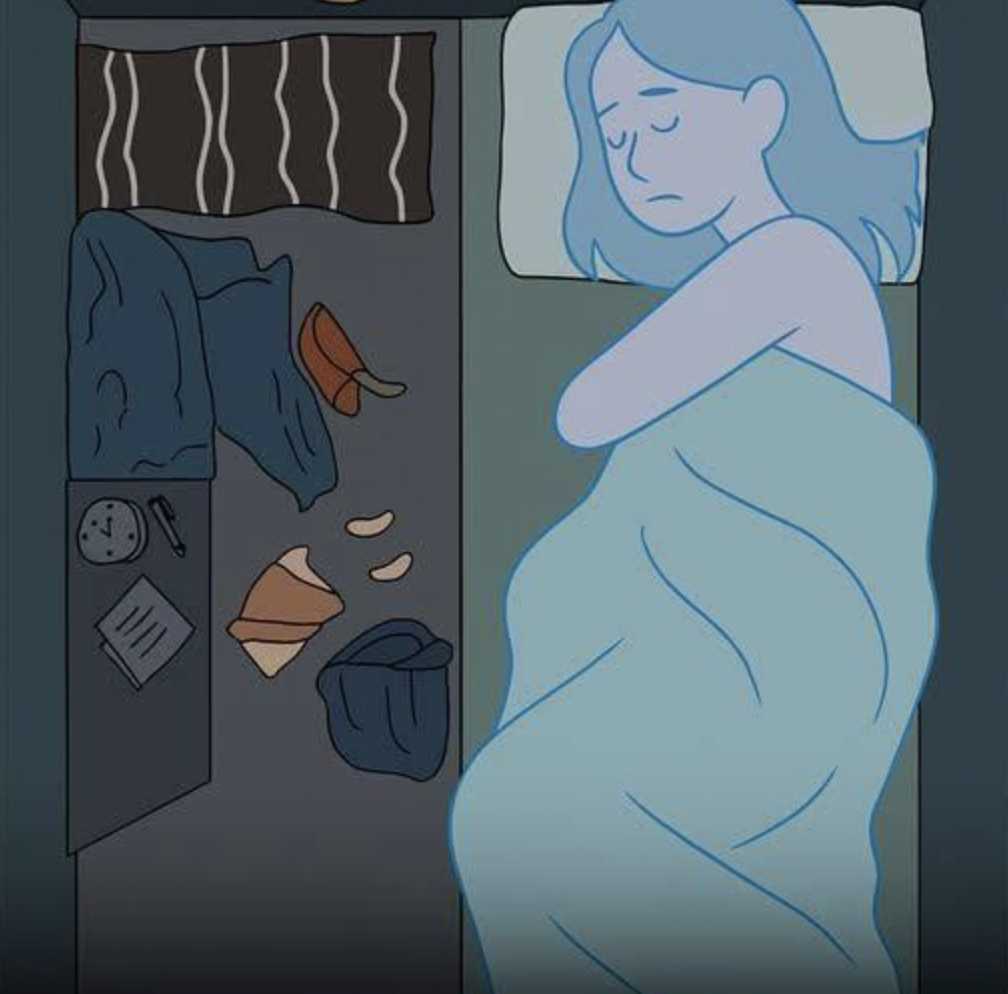
If you regularly wake up around 3 or 4 a.m., you are not alone. Millions of people experience this frustrating pattern—eyes suddenly open in the dark, mind alert, body tired, sleep gone. A quick internet search often leads to dramatic claims: spiritual awakenings, liver detox hours, anxiety trapped in the body, or mysterious messages from the universe.
These explanations spread quickly because they sound meaningful. Unfortunately, they are also misleading.
Waking up at 3 or 4 in the morning is not a mystical sign. It is a well-documented biological phenomenon linked to how your brain, hormones, blood sugar, stress system, and sleep cycles work together. Understanding the real cause can help you fix the problem instead of blaming yourself—or worse, ignoring an underlying health issue.
Let’s break down what is actually happening when your body wakes you at that hour.
Why 3–4 a.m. Is a Vulnerable Time for Sleep
Sleep is not a straight line. It moves in cycles of light sleep, deep sleep, and REM sleep. As the night progresses, deep sleep decreases, and lighter sleep increases, especially after 2 a.m.
Between 3 and 4 a.m., your body reaches a crossroads:
- Core body temperature begins to rise
- Cortisol (your alertness hormone) starts increasing
- Melatonin slowly decreases
- Blood sugar can dip
- The brain becomes more responsive to stress signals
This combination makes it much easier to wake up—and much harder to fall back asleep.
The Most Common Real Reasons You Wake Up at 3 or 4 a.m.
1. Stress and Cortisol Spikes
One of the most common causes is chronic stress.
When you are under long-term stress, your nervous system becomes hyper-alert. Around 3–4 a.m., cortisol naturally begins rising to prepare you for waking later. If your stress system is already overactive, that small rise becomes a full wake-up call.
This often comes with:
- Racing thoughts
- A sense of alertness or anxiety
- Replaying conversations or worries
- Feeling tired but wired
This is not a spiritual message. It is your stress response firing too early.
2. Blood Sugar Drops During the Night
Another overlooked cause is nocturnal blood sugar instability.
If blood sugar drops too low during sleep, the body releases adrenaline and cortisol to correct it. Those hormones wake you up abruptly.
This is more common in people who:
- Eat very light or sugary dinners
- Drink alcohol at night
- Have insulin resistance or prediabetes
- Skip meals earlier in the day
You may wake up feeling:
- Alert or shaky
- Slightly sweaty
- Hungry
- Anxious for no clear reason
3. Anxiety and Hyperarousal
Even when you don’t feel anxious during the day, your nervous system may still be stuck in a state of hyperarousal.
This means your brain never fully shifts into deep restorative sleep. By early morning, it becomes alert enough to wake you completely.
This is especially common in people who:
- Overthink
- Are emotionally sensitive
- Have unresolved stress
- Spend excessive time on screens before bed
4. Sleep Environment and Light Exposure
Your brain is extremely sensitive to light during the early morning hours.
Common triggers include:
- Streetlights or headlights
- Phone notifications
- Alarm clocks with glowing displays
- Early morning household noise
Even small disturbances can pull you out of lighter sleep stages at this time.
5. Alcohol and Caffeine Timing
Alcohol may help you fall asleep—but it fragments sleep later in the night, often causing wake-ups between 2 and 4 a.m.
Caffeine consumed after mid-afternoon can also remain active in your system long enough to disrupt sleep cycles.
6. Hormonal Changes
Hormonal shifts play a major role, especially in:
- Perimenopause and menopause
- Thyroid imbalance
- Chronic stress disorders
Nighttime awakenings are one of the earliest signs of hormonal sleep disruption.
Why the “Spiritual Meaning” Explanation Is So Popular
The idea that waking at 3 or 4 a.m. means spiritual awakening, emotional blockage, or divine communication is appealing because:
- It gives meaning to discomfort
- It removes responsibility from lifestyle or health factors
- It feels comforting rather than clinical
However, there is no scientific evidence linking consistent early-morning awakenings to spiritual events.
The danger is not the belief itself—it is what happens when people stop addressing the real causes.
What Actually Helps You Sleep Through 3–4 a.m.
Stabilize Blood Sugar
- Eat a balanced dinner with protein, fat, and fiber
- Avoid sugary snacks or alcohol at night
- Consider a small protein-rich snack before bed if you wake hungry
Lower Cortisol Before Bed
- Avoid intense news or social media at night
- Dim lights 1–2 hours before sleep
- Practice slow breathing or gentle stretching
Protect the Sleep Environment
- Use blackout curtains
- Silence notifications
- Keep the room cool and quiet
Reduce Mental Overactivation
- Write down worries earlier in the evening
- Avoid problem-solving in bed
- If awake longer than 20 minutes, get up briefly and return once sleepy
When Waking at 3–4 a.m. May Signal a Health Issue
Occasional wake-ups are normal. However, you should consider medical evaluation if:
- It happens almost every night
- It is accompanied by heart palpitations
- You wake gasping or short of breath
- You feel exhausted despite enough time in bed
- You have night sweats or unexplained weight changes
These can point to sleep apnea, anxiety disorders, thyroid issues, or metabolic problems.
The Bottom Line
Waking up at 3 or 4 in the morning is not a mystical sign, a spiritual calling, or a hidden message from the universe.
It is your body responding to:
- Stress hormones
- Blood sugar changes
- Light sleep cycles
- Nervous system imbalance
And the good news is this:
Once you address the cause, the wake-ups often stop.
Your body is not trying to teach you a lesson.
It is asking for balance, regulation, and rest.
Understanding that difference is the first step toward sleeping peacefully again.




Leave a Reply