
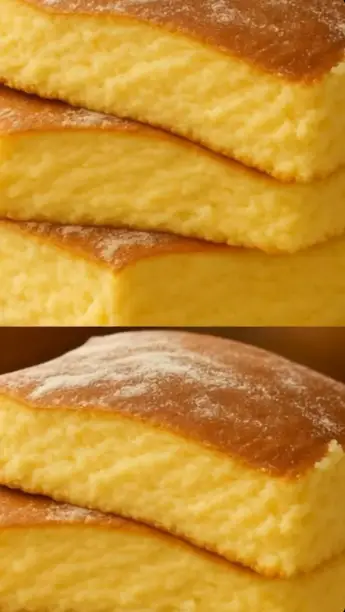
Melt-in-Your-Mouth Sponge Cake is the kind of classic dessert that never goes out of style. From its cloud-like crumb to its gentle vanilla aroma, this cake delivers comfort and elegance in every bite. Because it uses simple pantry ingredients and a time-tested method, this Melt-in-Your-Mouth Sponge Cake works just as well for beginner bakers as it does for experienced home cooks.
Even better, this Melt-in-Your-Mouth Sponge Cake serves as a versatile base. You can dress it up with fresh fruit, whipped cream, or chocolate glaze. Or, you can enjoy it plain with a cup of coffee or tea. Either way, the texture stays light, tender, and unforgettable.
A Short Personal Story Behind This Cake
This Melt-in-Your-Mouth Sponge Cake brings back memories of quiet afternoons spent in a small kitchen filled with the scent of vanilla and warm sugar. The recipe came together during a time when simple baking felt grounding and comforting. Each step felt calming, from separating the eggs to folding the fluffy whites into the batter. When the cake finally emerged from the oven, golden and tall, it felt like a small victory. Since then, this cake has become a go-to for birthdays, casual gatherings, and moments that call for something homemade and heartfelt. It proves that even the simplest desserts can feel special when made with care.
Understanding What Makes a Sponge Cake Truly Melt-in-Your-Mouth
The Role of Eggs in Texture
Eggs play the most important role in a Melt-in-Your-Mouth Sponge Cake. Because this recipe separates the yolks from the whites, each part serves a specific purpose. The yolks add richness and structure, while the whipped whites create lift. As a result, the cake rises without baking powder or baking soda.
When you whip the egg whites to stiff peaks, you trap air inside them. That air expands in the oven, which gives the cake its signature lightness. Therefore, careful whipping and gentle folding matter more than speed or strength.
Why Gentle Folding Matters
Folding keeps the batter airy. If you stir aggressively, you knock out the air you worked so hard to create. Instead, use a spatula and move slowly. Cut through the center, then lift and turn the batter over itself.
Because this Melt-in-Your-Mouth Sponge Cake relies on air rather than chemical leaveners, every gentle motion protects the final texture. As a result, patience pays off with a soft, tender crumb.
Equipment
- 9-inch round cake pan
- mixing bowls
- electric mixer
- spatula
Ingredients
- 4 large eggs, separated
- 1 cup granulated sugar, divided
- 1 teaspoon vanilla extract
- 1 cup all-purpose flour, sifted
- 1/4 teaspoon salt
- 1/2 cup whole milk, slightly warm
- 1/4 cup vegetable oil or melted unsalted butter
Instructions
- Preheat oven to 350°F (175°C). Grease and flour a 9-inch round pan or line with parchment.
- Beat egg yolks with half of the sugar until pale and thick. Mix in vanilla, warm milk, and oil or butter.
- Whip egg whites until frothy, then gradually add remaining sugar and beat to stiff peaks.
- Sift flour and salt over yolk mixture in three additions, folding gently. Fold in one-third of the whites, then the rest.
- Pour batter into pan, smooth the top, and bake for 25–30 minutes until golden and set.
- Cool 10 minutes in pan, then turn out onto a rack to cool completely.
Notes
Nutrition
Ingredients That Create a Soft and Balanced Sponge Cake
Simple Pantry Staples That Work Together
This Melt-in-Your-Mouth Sponge Cake uses everyday ingredients, yet each one serves a clear purpose. Granulated sugar sweetens and stabilizes the eggs. All-purpose flour provides structure without heaviness. Whole milk adds moisture, while oil or melted butter contributes tenderness.
Because the ingredient list stays short, quality matters. Fresh eggs at room temperature whip better. Sifted flour blends more easily. Slightly warm milk mixes smoothly into the yolks. Together, these small details create a consistent and reliable cake.
Choosing Oil or Butter for Best Results
Both oil and melted butter work well in a Melt-in-Your-Mouth Sponge Cake. Oil produces a slightly moister crumb that stays soft longer. Butter, on the other hand, adds a richer flavor.
If you plan to serve the cake plain, butter adds depth. However, if you plan to layer or frost the cake, oil keeps it tender under toppings. Either option delivers excellent results when measured carefully.
Step-by-Step Method for a Perfect Sponge Cake
Preparing the Batter with Confidence
Start by preheating your oven to 350°F and preparing a 9-inch round pan. Proper preparation prevents sticking and ensures easy release. Meanwhile, beat the egg yolks with half of the sugar until pale and thick. This step dissolves the sugar and builds structure.
Next, mix in the vanilla, warm milk, and oil or butter. Because the milk is warm, it blends smoothly without shocking the eggs. Then, sift the flour and salt over the mixture in stages, folding gently after each addition.
Whipping and Folding the Egg Whites
In a clean bowl, whip the egg whites until frothy. Gradually add the remaining sugar while beating. Continue until stiff peaks form. The whites should look glossy and hold their shape.
Fold one-third of the whites into the batter first. This lightens the mixture and makes folding easier. Then, gently fold in the remaining whites. Take your time. Because this step determines the final texture, slow and steady wins.
Baking, Cooling, and Serving the Cake
Baking to Golden Perfection
Pour the batter into the prepared pan and smooth the top. Bake for 25 to 30 minutes until the cake turns golden and a toothpick inserted in the center comes out clean. Avoid opening the oven too early, since sudden temperature changes can cause the cake to sink.
Once baked, let the cake cool in the pan for 10 minutes. Then, turn it out onto a wire rack to cool completely. This cooling period sets the structure and keeps the crumb soft.
Serving Ideas That Elevate the Cake
This Melt-in-Your-Mouth Sponge Cake tastes wonderful on its own. However, it also pairs beautifully with fresh berries, powdered sugar, or whipped cream. For a more elegant dessert, slice the cake horizontally and fill it with cream and fruit.
Because the flavor stays light and neutral, the cake adapts easily to different toppings. Therefore, it works for birthdays, tea time, or simple desserts without feeling heavy.
FAQ
Why did my sponge cake sink after baking?
A sponge cake can sink if the egg whites were overmixed or folded too aggressively. Sudden temperature changes can also cause sinking.
Can I make this cake ahead of time?
Yes. This Melt-in-Your-Mouth Sponge Cake keeps well for up to two days when wrapped tightly at room temperature.
Can I use cake flour instead of all-purpose flour?
Yes. Cake flour will make the crumb even softer. Replace the all-purpose flour with the same weight.
How do I know when the egg whites are at stiff peaks?
Stiff peaks hold their shape when you lift the whisk and do not droop or slide.
Can I freeze this sponge cake?
Yes. Wrap the cooled cake tightly and freeze for up to one month. Thaw at room temperature before serving.
Conclusion
Melt-in-Your-Mouth Sponge Cake proves that simple ingredients and careful technique can create something truly special. Because the texture stays light and airy, this cake feels elegant without being complicated. Whether you serve it plain or dressed up, it delivers reliable results every time. With patience and gentle folding, this classic recipe becomes a dessert you can return to again and again.




Leave a Reply