
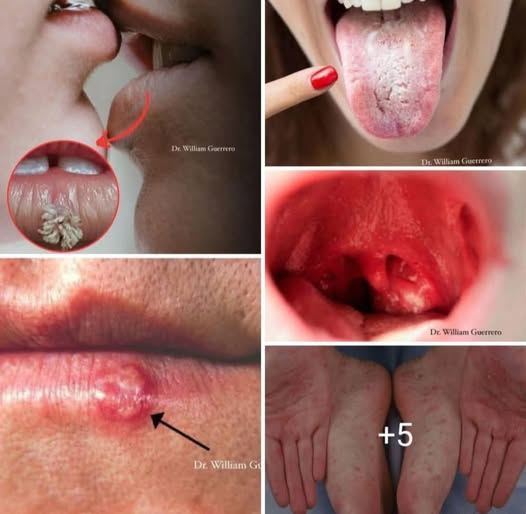
Mouth cancer, also known as oral cancer, is a serious condition that affects thousands of people every year. When detected early, it is often highly treatable. However, delayed diagnosis can lead to more complex treatment and reduced survival rates.
Oral cancer can develop in the lips, tongue, gums, inner cheeks, roof or floor of the mouth, and the throat. While it is more common in people over the age of 40, cases are increasing among younger adults, particularly due to human papillomavirus (HPV)–related cancers.
The most important takeaway is this: early signs are often visible or noticeable. Awareness and timely medical attention can save lives.
Common Symptoms of Mouth Cancer
Many early symptoms of mouth cancer are subtle and painless, which is why they are often ignored. You should see a doctor or dentist if any of the following symptoms last longer than two to three weeks:
- A sore, ulcer, or lesion in the mouth that does not heal
- Red, white, or red-and-white patches on the tongue, gums, or mouth lining
- Persistent mouth pain or unexplained ear pain
- A lump, thickening, or swelling in the cheek, jaw, lip, or neck
- Difficulty chewing, swallowing, speaking, or moving the tongue or jaw
- Numbness in the mouth, lips, or face
- Loose teeth without an obvious dental cause
- Dentures that suddenly no longer fit properly
- Unexplained bleeding in the mouth
- Chronic bad breath that does not improve with oral hygiene
It is important to note that early-stage mouth cancer may cause no pain at all. Waiting for discomfort before seeking help can delay diagnosis.
Main Causes and Risk Factors
Mouth cancer develops when abnormal cells in the mouth grow uncontrollably. Several factors can increase the risk.
Tobacco Use
Smoking cigarettes, cigars, pipes, or using smokeless tobacco significantly increases the risk of oral cancer. Tobacco use remains the leading cause.
Alcohol Consumption
Heavy alcohol use, especially when combined with tobacco, greatly raises the risk. Alcohol can irritate mouth tissues and make them more vulnerable to cancer-causing substances.
Human Papillomavirus (HPV)
HPV, particularly HPV type 16, is linked to cancers of the throat and base of the tongue. HPV-related oral cancers are increasing, especially among younger adults.
Sun Exposure
Excessive sun exposure can cause lip cancer, particularly on the lower lip.
Poor Oral Health
Chronic irritation from broken teeth, ill-fitting dentures, or poor oral hygiene may contribute to risk, although these factors alone do not cause cancer.
Weakened Immune System
People with compromised immune systems may have a higher risk of developing oral cancer.
Stages of Mouth Cancer
Mouth cancer is classified into stages based on tumor size, lymph node involvement, and whether the cancer has spread.
Stage 0 (Carcinoma in Situ)
Abnormal cells are present but have not invaded deeper tissues. Treatment at this stage is often highly effective.
Stage I
The tumor is small and confined to the mouth, with no lymph node involvement.
Stage II
The tumor is larger but still localized, without spread to lymph nodes.
Stage III
The cancer has spread to nearby lymph nodes or grown larger in the mouth.
Stage IV
The cancer has spread to multiple lymph nodes or distant parts of the body. This stage requires more aggressive treatment.
How Mouth Cancer Is Diagnosed
Diagnosis usually begins with a physical examination by a dentist or physician. If suspicious areas are found, additional tests may include:
- Biopsy of abnormal tissue
- Imaging tests such as X-rays, CT scans, or MRI
- Endoscopy to examine deeper areas of the throat
Early diagnosis greatly improves treatment outcomes.
Treatment Options for Mouth Cancer
Treatment depends on the cancer’s stage, location, and the patient’s overall health.
Surgery
Surgery is often used to remove cancerous tissue. In early stages, surgery alone may be sufficient.
Radiation Therapy
Radiation uses high-energy beams to destroy cancer cells. It may be used alone or after surgery to reduce recurrence risk.
Chemotherapy
Chemotherapy uses drugs to kill cancer cells and is often combined with radiation in advanced cases.
Targeted Therapy
These treatments focus on specific cancer cell markers, minimizing damage to healthy cells.
Rehabilitation and Support
Speech therapy, nutritional support, and reconstructive procedures may be necessary after treatment to restore function and quality of life.
Prevention and Early Detection
While not all cases can be prevented, risk can be reduced by:
- Avoiding tobacco in all forms
- Limiting alcohol consumption
- Practicing safe sex to reduce HPV risk
- Using lip protection in the sun
- Maintaining good oral hygiene
- Getting regular dental checkups
Dentists often detect early signs of mouth cancer during routine exams.
Final Thoughts
Mouth cancer is a serious condition, but it is not hopeless. When detected early, treatment is often successful and less invasive. Awareness of symptoms, understanding risk factors, and seeking timely medical care can make a critical difference.
If something in your mouth does not feel right or does not heal, do not ignore it. Early action can save your life.




Leave a Reply