
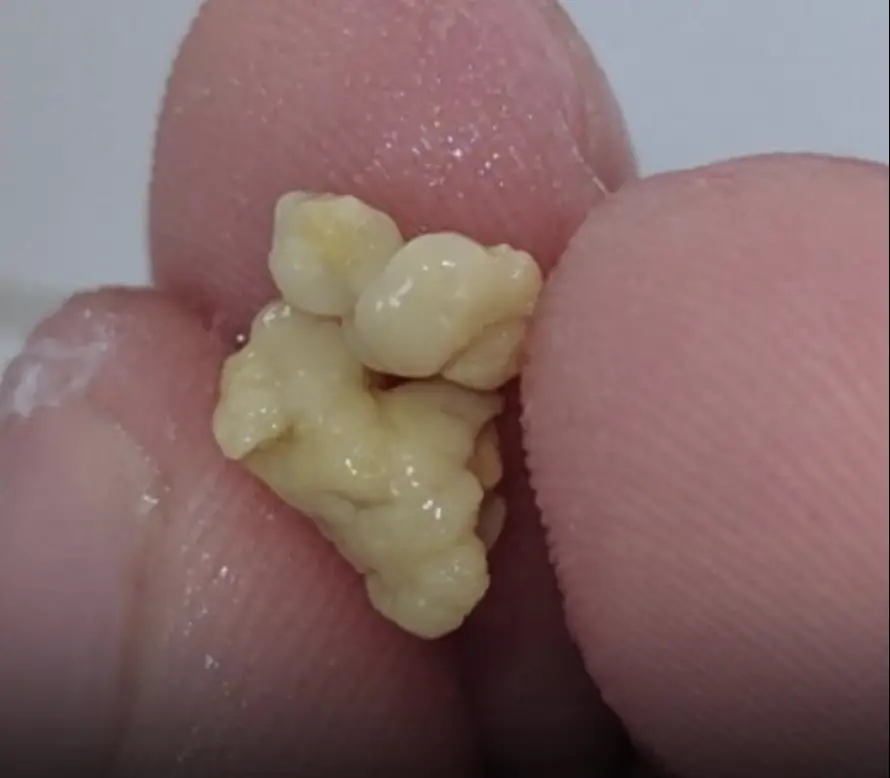
Here’s What You Need to Know About Tonsil Stones if you have ever noticed white specks in the back of your throat, struggled with unexplained bad breath, or felt a constant gag reflex. Tonsil stones can feel embarrassing and alarming, yet they are far more common than most people realize. More importantly, they are usually not dangerous and rarely signal poor hygiene.
Here’s What You Need to Know About Tonsil Stones focuses on facts rather than fear. These small, calcified formations develop as part of your body’s natural defense system. Understanding why they form, what makes them worse, and how to manage them safely can bring relief without panic or risky home remedies.
A Personal Perspective on Tonsil Stones
The first time I noticed tonsil stones, confusion set in quickly. Despite brushing, flossing, and regular dental visits, the problem kept returning. Like many people, I assumed I was doing something wrong. After learning more about how tonsils function, everything changed. Here’s What You Need to Know About Tonsil Stones became less about embarrassment and more about biology. That shift in understanding replaced anxiety with practical, evidence-based care.
What Tonsil Stones Actually Are
Not Food, Not Rot, and Not Infection
Here’s What You Need to Know About Tonsil Stones starts with clarity. Tonsil stones, also known as tonsilloliths, are not pieces of food stuck in your throat. They are calcified biofilm. This biofilm forms when dead cells, mucus, and naturally occurring mouth bacteria collect inside tonsil crypts.
Over time, calcium salts from saliva harden this material. The process resembles how a pearl forms in an oyster. Because of this slow buildup, tonsil stones may develop without pain or infection.
Why Hygiene Is Not the Cause
A common myth claims that tonsil stones result from poor oral hygiene. Research does not support this belief. Many people with excellent oral care still experience stones. Here’s What You Need to Know About Tonsil Stones explains that crypt depth, not cleanliness, plays the biggest role.
Tonsils evolved to trap bacteria and viruses. In modern diets that require less chewing, debris lingers longer in these pockets. As a result, stones form more easily.
The Three Real Causes Behind Tonsil Stones
Crypt Structure and Genetics
The shape of your tonsils matters. Deep, branched crypts trap material more efficiently. Studies show that people with deeper crypts develop stones much faster than those with smooth tonsils.
Here’s What You Need to Know About Tonsil Stones highlights that this trait is genetic. You cannot change your anatomy, but you can manage buildup safely.
Oral Microbiome Imbalance
Your mouth contains billions of bacteria. Most are harmless and even beneficial. Problems arise when certain bacteria dominate. Fusobacterium species, for example, produce volatile sulfur compounds that contribute to bad breath and stone formation.
Here’s What You Need to Know About Tonsil Stones emphasizes that aggressive mouthwash use can worsen this imbalance by killing protective bacteria along with harmful ones.
Dry Mouth and Mouth Breathing
Saliva acts as a natural cleanser. When saliva flow decreases, debris accumulates more easily. Mouth breathing, dehydration, allergies, and sleep-related breathing issues all reduce moisture.
Here’s What You Need to Know About Tonsil Stones shows that chronic dry mouth significantly increases recurrence risk. Managing airflow and hydration plays a key role in prevention.
Why Tonsil Stones Feel Worse Than They Are
Sensations That Trigger Anxiety
Tonsil stones often cause discomfort disproportionate to their size. A small stone can trigger gag reflex, metallic taste, or throat tightness.
Here’s What You Need to Know About Tonsil Stones explains that tonsils are highly sensitive tissue. Even minor irritation feels intense, especially when combined with anxiety.
Social and Emotional Impact
Bad breath concerns often cause embarrassment. Many people withdraw socially or feel ashamed. This emotional burden can outweigh physical symptoms.
Understanding the science behind stones helps reduce self-blame. Here’s What You Need to Know About Tonsil Stones reframes the issue as a common anatomical condition, not a personal failing.
Dangerous Remedies You Should Avoid
Poking and Scraping
Manually digging stones out with cotton swabs or tools can push debris deeper. It can also damage tissue and introduce infection.
Here’s What You Need to Know About Tonsil Stones strongly discourages scraping, which increases abscess risk and inflammation.
Harsh Chemical Gargles
Hydrogen peroxide and undiluted antiseptics damage protective biofilm. This damage creates an opening for opportunistic infections.
Instead of solving the problem, these methods often worsen symptoms. Here’s What You Need to Know About Tonsil Stones supports gentle care over aggressive treatment.
Extreme Diet Claims
No food or supplement can dissolve tonsil stones instantly. Claims suggesting otherwise ignore basic biology.
Here’s What You Need to Know About Tonsil Stones urges skepticism toward miracle cures and emphasizes consistency over extremes.
What Actually Helps Reduce Tonsil Stones
Gentle Salt Water Gargles
Warm salt water draws moisture out of debris without injuring tissue. Gargling twice daily helps loosen material naturally.
This method supports healing and comfort. Here’s What You Need to Know About Tonsil Stones identifies salt water as one of the safest first-line strategies.
Supporting the Oral Microbiome
Chewing xylitol gum after meals reduces harmful bacteria growth without disrupting beneficial species. This balance reduces odor and stone formation.
Unlike strong mouthwash, xylitol works with your microbiome. Here’s What You Need to Know About Tonsil Stones highlights this approach as evidence-based.
Improving Hydration and Breathing
Drinking water regularly keeps saliva thin and effective. Addressing nasal congestion and using a humidifier supports moisture balance.
Here’s What You Need to Know About Tonsil Stones shows that managing mouth breathing significantly reduces recurrence.
Why Tonsil Stones Are Not a Modern Problem
An Evolutionary Explanation
Tonsils developed to trap pathogens before modern hygiene existed. In the past, tough foods naturally cleaned crypts during chewing.
Soft modern diets reduce this mechanical cleaning. Here’s What You Need to Know About Tonsil Stones explains that stones are an evolutionary side effect, not a new disease.
Cultural Differences in Prevalence
Populations with fiber-rich, unprocessed diets report fewer stones. Diet texture plays a greater role than brushing frequency.
This insight reinforces that prevention often lies in lifestyle patterns, not perfection. Here’s What You Need to Know About Tonsil Stones connects modern habits to rising prevalence.
When to Seek Medical Advice
Signs That Need Evaluation
Pain, bleeding, fever, or one-sided swelling require professional assessment. Persistent symptoms may signal infection or other conditions.
Here’s What You Need to Know About Tonsil Stones encourages medical consultation when discomfort escalates or does not improve.
Surgical Options in Rare Cases
Tonsil removal remains a last resort. It may be considered for severe, recurrent cases that significantly affect quality of life.
Most people manage stones without surgery. Here’s What You Need to Know About Tonsil Stones emphasizes conservative care first.
Frequently Asked Questions
Are tonsil stones contagious?
No. They form from your own oral bacteria.
Do tonsil stones mean infection?
Usually not. Only a small percentage involve active infection.
Can mouthwash help?
Mild rinses may help, but harsh mouthwash can worsen imbalance.
Will they go away on their own?
Often yes. Many dislodge naturally within days.
Can children get tonsil stones?
Yes, but they are more common in adults.
Conclusion
Here’s What You Need to Know About Tonsil Stones is simple but reassuring. These formations are common, usually harmless, and rooted in normal anatomy. With gentle care, hydration, and microbiome support, most people reduce symptoms without risky interventions. Understanding replaces fear, and patience replaces panic. Respecting your body’s design leads to better outcomes than fighting it.



Leave a Reply