
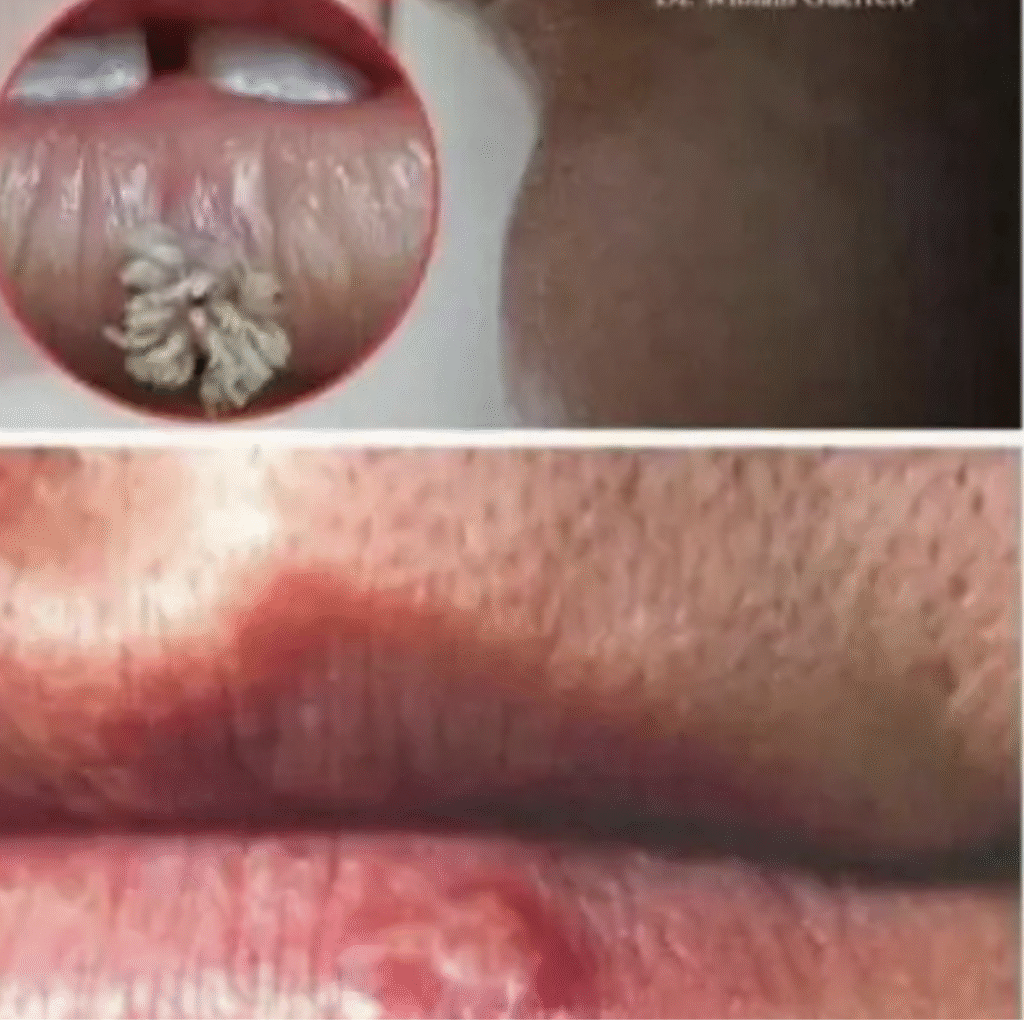
In India, the mouth is more than a place for food. It carries our laughter, our prayers, our stories, and our connection to one another. We gather over cups of chai, share meals with family, and speak words that shape relationships and traditions. Yet within this deeply personal space, silent warning signs can sometimes appear—easy to ignore, but important to notice.
Oral cancer is increasing across India. This reality is not meant to frighten, but to encourage awareness and early care. When oral cancer is detected early, survival rates rise above 80 percent. When warning signs are dismissed or ignored, treatment becomes more complex and outcomes worsen. This is not about blame or fear. It is about understanding, compassion, and timely action.
Let us explore this topic clearly and calmly, so we can protect our health and the people we love.
What Oral Cancer Can Look Like: Signs Often Overlooked
Oral cancer rarely begins with severe pain. Instead, it often starts quietly, presenting symptoms that seem harmless or familiar. In India, nearly 90 percent of oral cancer cases are diagnosed at advanced stages, largely because early signs are mistaken for minor problems such as ulcers, spice burns, or dental issues.
Pay attention to these warning signs, especially if they last longer than two weeks:
- A sore on the lips, gums, tongue, or inner cheek that does not heal
- White patches (leukoplakia) or red patches (erythroplakia) that feel thick or velvety
- A lump or thickened area inside the cheek, noticeable with the tongue
- Persistent numbness in the lips, mouth, or chin
- Loose teeth without an obvious dental cause or dentures that suddenly no longer fit
- Pain or difficulty while swallowing that feels deeper than a typical sore throat
- Ongoing pain in one ear without an ear infection
A helpful guideline to remember is this: common mouth ulcers caused by stress or spicy food usually heal within seven to ten days. If a sore remains after two weeks, it deserves medical attention.
Common Types of Oral Cancer Seen in India
Oral cancer is not a single disease. It includes several types, each affecting different areas of the mouth. Certain forms are especially common in Indian patients due to specific risk factors.
Buccal Mucosa Cancer
This affects the inner lining of the cheeks and is the most common type in India. It is strongly linked to smokeless tobacco products such as gutka, khaini, and paan masala, which are often held against the cheek for long periods.
Tongue Cancer
This usually appears on the sides or back of the tongue. It may go unnoticed until bleeding, pain, or speech changes develop.
Gum Cancer
Often mistaken for gum disease or infection, this cancer affects the upper or lower gums. Delayed diagnosis is common because symptoms resemble dental problems.
Floor of the Mouth Cancer
Located under the tongue, this type can present as painful swelling and is sometimes confused with a tooth abscess.
Lip Cancer
Most often affecting the lower lip, this type is linked to prolonged sun exposure, particularly among farmers, fishermen, and outdoor workers. Tobacco use further increases risk.
The roof of the mouth and gums are also vulnerable, especially in areas where betel quid or tobacco is placed.
Why Oral Cancer Risk Is Higher in India
Oral cancer affects people worldwide, but several factors make it especially prevalent in India.
Tobacco Use in Many Forms
Smokeless tobacco accounts for approximately 70 percent of oral cancer cases in India. Products like gutka, khaini, and paan masala expose mouth tissues to carcinogens for hours at a time. Smoking beedis or cigarettes also delivers harmful chemicals directly to the oral cavity.
Combined Use of Alcohol and Tobacco
When alcohol and tobacco are used together, the risk of oral cancer increases dramatically—up to 30 times higher than in non-users. Alcohol weakens the protective lining of the mouth, allowing tobacco toxins to penetrate more easily.
Nutritional Deficiencies
Low intake of fruits and vegetables reduces levels of protective vitamins such as A, C, and E. In rural areas and during seasonal shortages, these deficiencies can increase vulnerability.
Human Papillomavirus (HPV)
HPV-related oral and throat cancers are rising, even among people who do not use tobacco or alcohol. These cases are often detected late because symptoms appear subtly.
Sun Exposure
Chronic exposure to strong sunlight increases the risk of lip cancer, particularly among outdoor workers.
Family History
A family history of oral cancer increases personal risk. Sharing this information with a healthcare provider is important.
It is important to remember that tobacco use is not a moral failing. It is an addiction that has been normalized over generations. Healing begins when shame is replaced with understanding and support.
When to See a Doctor or Dentist
Early evaluation saves lives and reduces the need for aggressive treatment. Do not wait for pain to appear.
Seek medical or dental advice if:
- Any mouth sore lasts more than 14 days
- White or red patches do not disappear
- There is unexplained bleeding in the mouth
- You notice voice changes or a lump in the neck
Affordable Help in India
- Government hospitals and district health centers offer oral cancer screenings
- AIIMS and regional cancer centers regularly conduct screening camps
- Tata Memorial Hospital provides tobacco cessation support and telehealth options
- ASHA workers can guide referrals for screenings
If cost is a concern, ask about services under Ayushman Bharat (PMJAY) at public hospitals.
Understanding Oral Cancer Stages
Staging helps doctors plan treatment and gives patients clarity, not fear.
- Stage 0 (Pre-cancer): Abnormal cells only on the surface layer; cure rates exceed 95 percent
- Stage I: Tumor smaller than 2 cm; 80–90 percent five-year survival
- Stage II: Tumor 2–4 cm; 70–80 percent five-year survival
- Stage III: Larger tumor or spread to one lymph node; 50–60 percent survival
- Stage IV: Spread to multiple lymph nodes or organs; survival drops to 30–40 percent
Early detection often means limited surgery without chemotherapy or radiation, preserving speech, appearance, and quality of life.
A Final Thought on Care and Awareness
Your mouth shapes words of love, prayer, and connection. It carries your identity, your stories, and your presence in the lives of others. Protecting it is an act of self-respect and care for those who depend on you.
Take a moment today to look inside your mouth using a mirror and light. Gently feel your neck for unusual lumps. If something feels wrong, do not wait or panic. Seek professional advice promptly.
Early action can mean decades more of shared meals, celebrations, and moments that matter.
Note: This article is for awareness, not diagnosis. Always consult a qualified healthcare provider for personal medical concerns.




Leave a Reply