
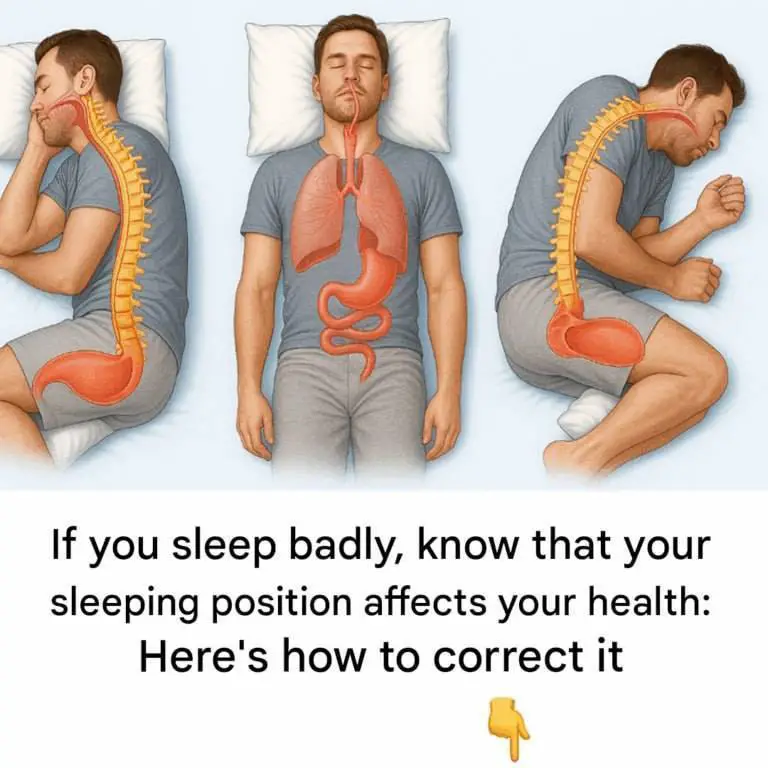
You’ve invested in blackout curtains, white noise, herbal teas, and supplements—yet you still wake up with a stiff neck, foggy thoughts, or that dull pressure behind your eyes. What if the missing piece isn’t what you’re doing before bed, but how your body is positioned while you sleep?
Sleep isn’t passive. It’s an active, restorative process where your brain clears waste, your spine decompresses, your muscles repair, and your heart resets. The position you hold for 7–8 hours each night quietly shapes how well all of that happens.
In other words: sleep posture matters more than most people realize.
When Your Body Whispers (Before It Shouts)
Many common “sleep problems” are actually posture problems:
- Snoring or gasping at night → airway collapse from back sleeping
- Acid reflux at 2–3 a.m. → stomach positioned above the esophagus
- Numb hands or shoulder pain → nerve compression from curled or stomach sleeping
- Waking tired despite enough hours → poor oxygen flow during sleep
These symptoms aren’t random. They’re signals—often misattributed to stress or aging—telling you something is off with alignment.
Ignoring them doesn’t just affect sleep quality; it strains your body over time.
🌿 Why Left-Side Sleeping Stands Out
Left-side sleeping isn’t a wellness trend—it’s rooted in anatomy and physiology.
Here’s why it works so well for many people:
Better digestion
Gravity helps food move naturally from the stomach into the intestines, reducing acid reflux and bloating.
Improved lymphatic drainage
The body’s main lymphatic channel (the thoracic duct) runs along the left side, helping remove waste and toxins more efficiently.
Heart and circulation support
Left-side sleeping reduces pressure on major blood vessels, improving blood return to the heart—especially important during pregnancy.
Brain detox during sleep
Studies on the glymphatic system suggest side sleeping, particularly on the left, improves overnight clearance of metabolic waste from the brain—potentially lowering long-term neurological risk.
This isn’t folklore. It’s biomechanics working with your body instead of against it.
⚖️ Comparing Sleep Positions: Pros and Cons
Left Side
- ✔ Reduces reflux
- ✔ Supports digestion and lymph flow
- ✔ Best for pregnancy and many adults
- ⚠ May strain the shoulder in very thin individuals without support
Right Side
- ✔ Sometimes preferred in specific heart conditions (doctor-guided)
- ⚠ Can worsen acid reflux
- ⚠ May increase pressure on the liver
Back (Supine)
- ✔ Neutral spine alignment
- ✔ Less facial compression
- ⚠ Increases snoring and sleep apnea risk
- ⚠ Can worsen lower back pain
Stomach (Prone)
- ✔ May temporarily reduce snoring
- ❌ Twists the neck
- ❌ Compresses organs
- ❌ Highest risk of stiffness and pain
Age note: After age 50, the risk of sleep apnea rises significantly. Back sleeping becomes less neutral and more risky—making side sleeping a protective choice.
Real-Life Improvements
- Postpartum reflux: Many people find that switching to consistent left-side sleeping reduces symptoms within days—often more effectively than medication alone.
- Mild sleep apnea: Side sleeping combined with a supportive pillow can significantly reduce nighttime breathing events and daytime fatigue.
Small positional changes can produce surprisingly large results.
Common Sleep Myths—Debunked
- “Back sleeping is best for everyone.”
Not true. It depends on airway stability and anatomy. - “Stomach sleeping helps digestion.”
False. It compresses the abdomen and worsens reflux. - “Snoring is harmless.”
Often false. It can signal oxygen deprivation. - “Special pillows are just marketing.”
A well-designed pillow can preserve cervical alignment and nerve flow. - “I’ll catch up on sleep later.”
Sleep debt doesn’t work like a bank account. Consistency matters more.
🛏️ 5 Simple Adjustments for Better Sleep
- Pillow between the knees (side sleepers) – aligns hips and reduces back strain
- Slight torso elevation – helps prevent reflux
- Cervical-support pillow – keeps neck neutral
- Nasal strips or gentle tape – supports airway openness
- Start on your left side – even if you move later, initial alignment sets the tone
A Final Thought
Your sleep position is a quiet architect of your health. It doesn’t require medication, expensive equipment, or a complete lifestyle overhaul—just awareness and intention.
How you sleep tonight influences:
- Tomorrow’s energy
- Your digestion
- Your breathing
- Your long-term resilience
Sometimes the most powerful medicine isn’t something you take.
It’s something you assume—night after night—until rest finally feels restorative again.




Leave a Reply