
Most people imagine a heart attack as sudden, dramatic, and impossible to miss. A crushing chest pain. A collapse. An ambulance ride that comes out of nowhere. Yet in reality, the heart rarely fails without warning. Instead, it sends quiet signals for weeks or even months. The tragedy is not that the body stays silent, but that so many people are taught not to listen.
Understanding the warning signs of a heart attack can save your life or the life of someone you love. These signs often feel ordinary, subtle, and easy to dismiss. However, when viewed together, they form a clear message that the heart is under strain and needs attention.
Why Heart Attacks Are Rarely “Out of the Blue”
The slow buildup behind the scenes
A heart attack usually results from reduced blood flow to the heart muscle. Over time, plaque builds up inside the arteries. As these vessels narrow, oxygen delivery decreases. Long before a complete blockage occurs, the heart begins to struggle.
During this phase, the body adapts by sending signals that something is wrong. These early symptoms are known as prodromal symptoms. They do not feel dramatic, which is exactly why they are ignored.
The danger of normalization
Fatigue, stress, and shortness of breath have become normalized in modern life. People often blame work, aging, anxiety, or lack of sleep. As a result, real warning signs get labeled as “nothing serious.” This habit of dismissal explains why so many heart attacks feel sudden when they are not.
Recognizing the warning signs of a heart attack requires a shift in mindset. Instead of pushing through symptoms, it means pausing and paying attention.
Unusual Fatigue: The Most Overlooked Signal
Why exhaustion matters
Extreme or persistent fatigue is one of the most common early signs of heart trouble. This is not ordinary tiredness that improves with rest. It is a deep exhaustion that makes simple tasks feel overwhelming.
When the heart cannot pump efficiently, muscles and organs receive less oxygen. The body responds by conserving energy. This creates a constant feeling of heaviness and weakness.
Who experiences this most
Women often report fatigue as their primary warning sign. Unfortunately, this symptom is frequently dismissed by both patients and healthcare providers. If you feel suddenly too tired to complete normal routines, especially without a clear reason, it deserves attention.
Shortness of Breath: A Quiet Emergency
Breathing changes you should not ignore
Shortness of breath during mild activity or at rest can signal that the heart is not moving blood effectively. When this happens, fluid may back up into the lungs, making breathing feel labored.
This symptom often appears during everyday activities such as walking, climbing stairs, or even talking. Many people blame aging or poor fitness, but sudden changes in breathing are never normal.
When it becomes urgent
If shortness of breath appears alongside fatigue, chest discomfort, or dizziness, it becomes a strong warning sign of a heart attack or heart failure. These symptoms together suggest the heart is under serious stress.
Cold Sweats, Dizziness, and Lightheadedness
What causes these sensations
Cold, clammy sweating and dizziness occur when blood flow drops. The body redirects blood to vital organs, leaving the skin cool and damp. At the same time, reduced circulation to the brain can cause lightheadedness or fainting.
These symptoms often appear without exertion. People may assume low blood sugar, dehydration, or anxiety. However, when they occur unexpectedly, they should raise concern.
Why they signal danger
Unlike exercise-related sweating, cardiac-related cold sweats feel sudden and unusual. If dizziness or nausea accompanies them, the risk increases. Together, these are important warning signs of a heart attack.
Flu-Like Symptoms That Are Not the Flu
Nausea, indigestion, and discomfort
Many heart attack survivors recall weeks of nausea, indigestion, or stomach discomfort before their event. Reduced blood flow affects the digestive system, triggering symptoms that resemble a mild illness.
Jaw pain, back pain, or shoulder discomfort may also appear. These sensations result from referred pain, where the brain misinterprets distress signals from the heart.
A key difference to watch for
Unlike the flu, cardiac-related symptoms usually occur without fever. They may come and go, worsening with activity. If “flu-like” symptoms linger or repeat without explanation, they should not be ignored.
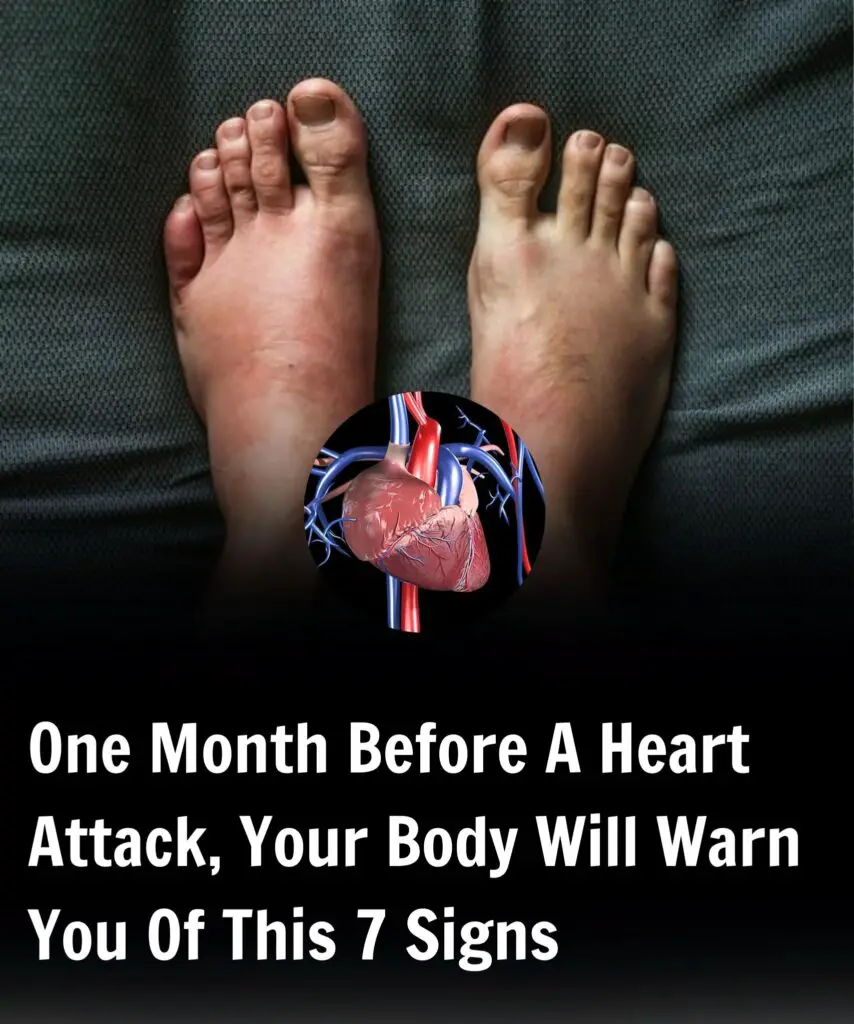
Swelling in the Feet, Ankles, or Legs
What swelling reveals about the heart
Swelling, also known as edema, occurs when the heart cannot pump blood forward efficiently. Fluid pools in the lower extremities due to gravity, causing shoes to feel tight or skin to appear puffy.
This symptom often develops gradually, which makes it easy to overlook. Many people attribute it to standing too long or eating salty foods.
When swelling becomes a warning sign
Persistent swelling, especially when combined with fatigue or breathlessness, can indicate heart failure. It signals that the heart is losing its ability to manage circulation effectively.
Why Women and Certain Groups Are at Higher Risk
Differences in symptom presentation
Women are more likely to experience non-classic symptoms such as fatigue, nausea, and shortness of breath rather than sharp chest pain. Because these signs differ from the stereotype, they are often misinterpreted.
This difference contributes to delayed diagnosis and treatment. Recognizing that heart attack symptoms vary by person is essential.
The role of bias and access
Studies show that women and Black patients are more likely to have their symptoms minimized or misdiagnosed. This reality makes self-advocacy critical. Knowing the warning signs of a heart attack empowers people to insist on proper evaluation.
What to Do If You Notice These Signs
Do not wait for certainty
One of the biggest mistakes people make is waiting until symptoms become unbearable. Heart damage increases with every minute of delay. If something feels wrong, acting early can dramatically improve outcomes.
Tracking symptoms for a few days can help identify patterns, but sudden or severe symptoms require immediate action.
When to call for help
Call emergency services right away if you experience chest discomfort, shortness of breath, cold sweats, dizziness, or unexplained fatigue that feels intense or unusual. Do not drive yourself. Quick response saves heart muscle and lives.
Listening Instead of Pushing Through
A cultural shift that saves lives
Many people are taught to push through discomfort and ignore weakness. While resilience has value, ignoring the body’s signals can be deadly. The heart does not complain without reason.
Learning to respect subtle symptoms is an act of strength, not fear. It means valuing long-term health over short-term inconvenience.
Trusting your body’s language
Your body communicates constantly. The warning signs of a heart attack are part of that language. When you listen early, you give yourself the chance to prevent catastrophe rather than react to it.
Final Thoughts
Heart attacks rarely arrive without warning. Fatigue, shortness of breath, dizziness, nausea, and swelling are not random inconveniences. They are messages from a heart under strain.
Understanding the warning signs of a heart attack allows you to respond with clarity instead of doubt. Paying attention does not mean living in fear. It means choosing awareness, respect, and timely action.
Your heart works tirelessly every day. Listening when it whispers may be the most important decision you ever make.




Leave a Reply