
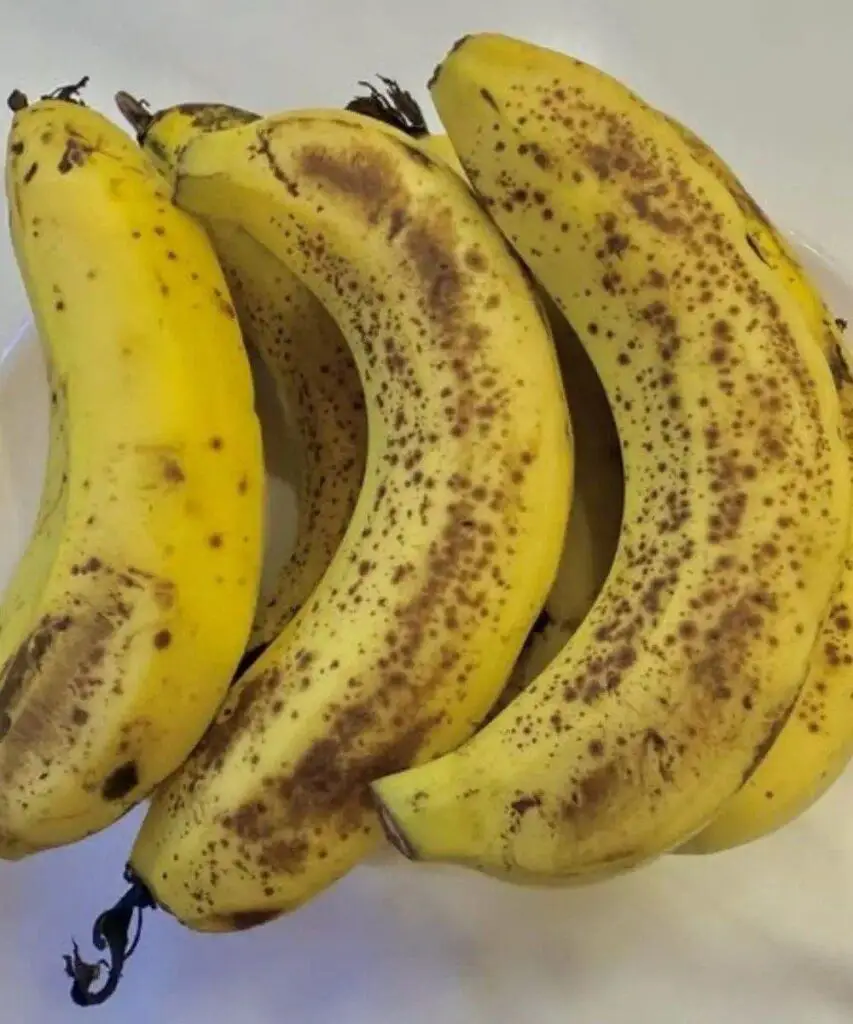
Falling asleep should feel natural, yet for many people it becomes harder with age, stress, and busy routines. Tossing and turning, muscle tension, late-night hunger, or a restless mind can quietly steal hours of rest. That is why many people now look for gentle, food-based solutions instead of pills. How bananas can help you sleep better is a topic gaining attention for a simple reason: this everyday fruit supports sleep in several science-backed ways.
Bananas are easy to digest, affordable, and widely available. More importantly, they contain nutrients that help the body relax, support hormone balance, and reduce common sleep disruptors. When eaten at the right time, a banana can become a small but meaningful part of a healthier nighttime routine.
The Sleep-Supporting Nutrients Inside Bananas
Magnesium and potassium for relaxation
Bananas contain magnesium and potassium, two minerals closely linked to relaxation. Magnesium helps calm the nervous system by regulating neurotransmitters that signal the brain to slow down. When magnesium levels are low, the body may stay in a heightened state of alertness, making it harder to fall asleep.
Potassium works alongside magnesium to support proper nerve signaling and muscle function. Adequate potassium levels help muscles release tension instead of remaining tight or twitchy at night. Together, these minerals help the body shift from daytime activity into nighttime rest.
Vitamin B6 and sleep hormones
Vitamin B6 plays a critical role in sleep chemistry. It helps convert tryptophan, an amino acid, into serotonin. Serotonin then converts into melatonin, the hormone that regulates the sleep-wake cycle. Without enough B6, this process becomes less efficient.
Because bananas naturally contain vitamin B6, they quietly support this hormonal pathway without requiring supplements. This is one of the key reasons how bananas can help you sleep better is more than a popular saying.
Bananas and Muscle Comfort at Night
Reducing cramps and restless legs
Nighttime muscle cramps and restless legs disrupt sleep for many people. These issues often relate to electrolyte imbalances or muscle fatigue. Since bananas provide both potassium and magnesium, they help reduce the likelihood of sudden muscle contractions during the night.
Potassium supports smooth communication between nerves and muscles. When levels drop, muscles may misfire, leading to cramps or twitching. Magnesium further relaxes muscle fibers, helping them stay calm while you sleep.
Supporting physical recovery
For people who stay active or spend long hours on their feet, muscles often carry hidden tension into bedtime. Eating a banana in the evening supports recovery by replenishing minerals lost through sweat or daily exertion. As a result, the body relaxes more easily once you lie down.
Managing Nighttime Hunger Without Disrupting Sleep
Steady energy without spikes
Hunger can wake you just as easily as noise or light. Bananas help prevent late-night hunger because they contain natural carbohydrates paired with fiber. This combination provides steady energy instead of sudden blood sugar spikes followed by crashes.
Unlike sugary desserts or processed snacks, bananas satisfy cravings without overstimulating the nervous system. This balance makes them a smart choice for people who need a small bedtime snack but want to protect their sleep quality.
Gentle on digestion
Heavy or greasy foods before bed often cause discomfort, bloating, or acid reflux. Bananas digest easily for most people, which reduces the chance of digestive issues interrupting sleep. Their soft texture and mild flavor make them especially suitable in the evening.
Supporting Digestive Comfort for Better Sleep
Prebiotic benefits
Bananas contain prebiotic fiber that feeds beneficial gut bacteria. A balanced gut supports smoother digestion and reduces nighttime discomfort. Since digestive distress often interferes with sleep, this gentle support plays an indirect but important role.
Pectin, a type of soluble fiber in bananas, helps regulate digestion and promotes regular bowel movements. When the digestive system feels calm, the body can focus on rest rather than repair.
Choosing the right ripeness
Moderately ripe bananas work best for most people. Overly ripe bananas contain higher sugar levels and may cause gas in sensitive individuals. Slightly yellow bananas with a few spots usually strike the right balance between sweetness and digestibility.
Bananas and Emotional Calm Before Bed
Supporting mood and stress reduction
Sleep quality depends heavily on mental state. Anxiety, stress, and racing thoughts often delay sleep onset. Because bananas support serotonin production through vitamin B6, they help promote a calmer emotional state in the evening.
Serotonin contributes to feelings of well-being and relaxation. When levels improve, the transition into sleep becomes smoother and less forced.
Creating a soothing routine
Eating a banana before bed can become part of a calming ritual. Pairing it with dim lighting, quiet time, or herbal tea signals the brain that bedtime is approaching. Routines like this strengthen the body’s natural sleep rhythms over time.
Timing Matters: When to Eat a Banana Before Bed
The ideal window
For best results, eat a banana about 30 minutes to one hour before sleep. This timing allows the body to begin digestion and absorb key nutrients without feeling overly full at bedtime.
Eating too close to lying down may cause mild discomfort for some people. Eating too early may reduce the calming effect by the time you go to bed.
Portion control
One banana is enough. Eating multiple bananas increases sugar intake and may feel too heavy at night. Moderation ensures benefits without unwanted side effects.
Potential Drawbacks to Keep in Mind
Blood sugar sensitivity
People with diabetes or insulin resistance should monitor how bananas affect their blood sugar. Choosing a smaller or less ripe banana may help reduce spikes. Individual responses vary, so paying attention to how your body reacts is important.
Acid reflux considerations
Although bananas help many people, a small number may experience heartburn, especially with very ripe fruit. If reflux occurs, adjusting timing or choosing an alternative may work better.
Alternatives If You Do Not Enjoy Bananas
Not everyone likes bananas, and that is perfectly fine. Several other foods offer similar sleep-supporting benefits:
- Tart cherries or tart cherry juice for natural melatonin
- Almonds or walnuts for magnesium and healthy fats
- Oatmeal for complex carbohydrates that support tryptophan uptake
- Warm milk for tryptophan and calcium
- Kiwi, which studies link to improved sleep duration and quality
These options allow flexibility while still supporting better rest.
Final Thoughts
Understanding how bananas can help you sleep better highlights the power of simple, natural choices. Bananas support relaxation, muscle comfort, digestion, mood, and hunger control, all of which influence sleep quality. They are not a cure for serious sleep disorders, but they are an easy habit that gently supports healthier rest.
Sometimes better sleep does not require complicated solutions. It starts with listening to the body, creating calming routines, and choosing foods that work with natural rhythms. In that quiet space before bedtime, a simple banana can make a meaningful difference.




Leave a Reply