
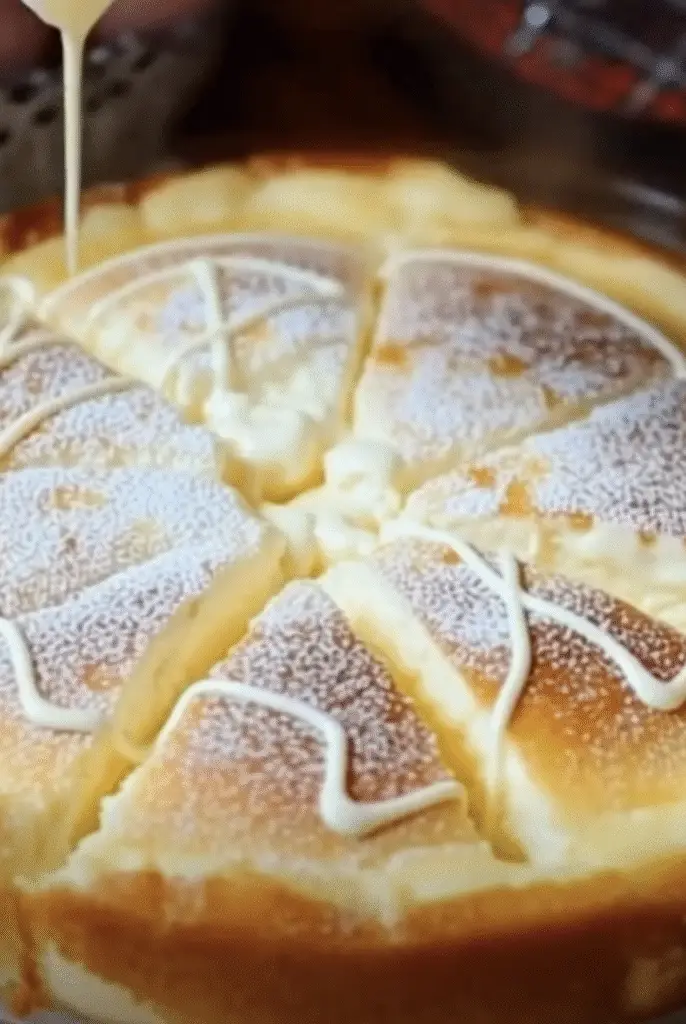
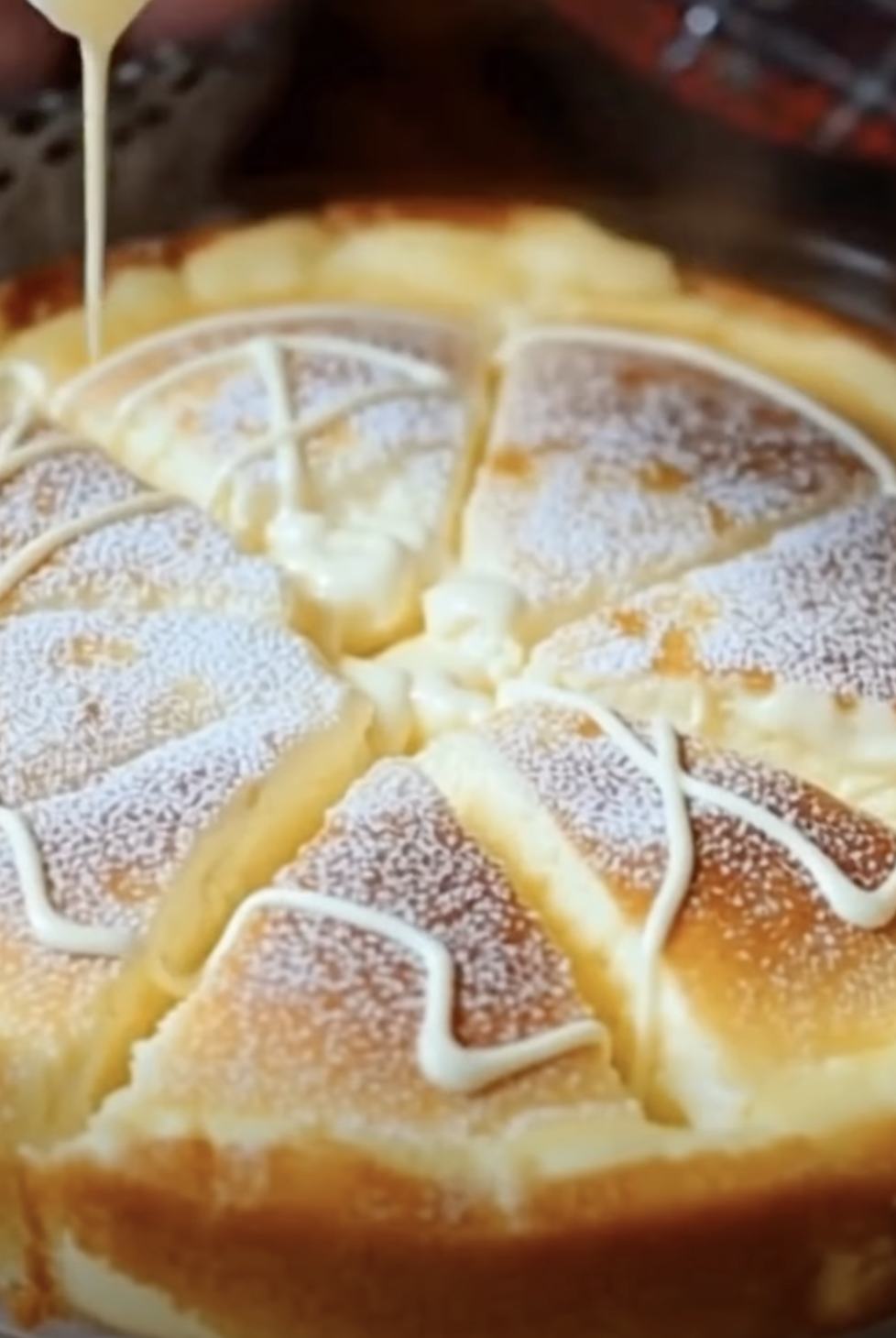
Melt-In-Your-Mouth Japanese Cotton Cheesecake is famous for its soft, airy texture and gentle sweetness. Unlike dense traditional cheesecake, this Melt-In-Your-Mouth Japanese Cotton Cheesecake feels almost weightless, with a delicate jiggle and a tender crumb that truly lives up to its name. Each bite melts smoothly on the tongue, making it a dessert that feels elegant yet comforting at the same time.
This Melt-In-Your-Mouth Japanese Cotton Cheesecake is perfect for special occasions, relaxed afternoons with coffee, or anytime you want a dessert that feels light but still satisfying. With simple ingredients and careful technique, this recipe creates bakery-quality results right at home.
A Personal Story Behind This Cheesecake
This cheesecake first entered the kitchen during a phase of experimenting with lighter desserts. Traditional cheesecakes felt too heavy, yet there was still a craving for something creamy. After watching a gently jiggling cake cool on the counter, curiosity took over. The first slice revealed a soft, cloud-like interior that felt completely different from anything baked before. Since then, this cake has become a favorite for celebrations where dessert should feel special but not overwhelming. Every time it’s served, the texture alone becomes a conversation starter.
Why Melt-In-Your-Mouth Japanese Cotton Cheesecake Is So Special
A Texture Unlike Any Other Cheesecake
Melt-In-Your-Mouth Japanese Cotton Cheesecake stands out because of its structure. Whipped egg whites folded into the batter create an airy lift similar to sponge cake, while cream cheese adds richness without heaviness. The result feels fluffy, moist, and incredibly soft.
Because it bakes in a water bath, the heat remains gentle and even. This prevents cracking and ensures a smooth, custard-like interior. The cake rises beautifully in the oven, then settles slightly as it cools, creating its signature shape.
Balanced Sweetness and Flavor
This cheesecake tastes delicately sweet rather than rich and sugary. Sugar supports the structure of the meringue, while cream cheese provides a subtle tang. Milk and butter soften the flavor, and optional lemon zest or juice brightens everything without overpowering the cake.
Because the flavors remain subtle, this dessert pairs beautifully with fruit, tea, or coffee.
Ingredient Breakdown and Baking Science
Understanding the Core Ingredients
Cream cheese forms the base of the batter. It must be fully softened to blend smoothly. Eggs play two roles: yolks add richness, while whipped whites provide lift. Sugar sweetens and stabilizes the meringue.
Milk and melted butter loosen the batter, keeping it silky. Cake flour creates a tender crumb. If using all-purpose flour, cornstarch helps mimic cake flour’s lightness. A pinch of salt balances sweetness and enhances flavor.
Why the Water Bath Matters
The water bath creates steam inside the oven, which keeps the cheesecake moist. This gentle heat allows the cake to bake evenly and prevents sudden temperature changes that cause cracking or collapse.
Because Japanese Cotton Cheesecake relies heavily on air, steady baking conditions are essential for success.
Equipment
- springform pan
- mixing bowls
- electric mixer
- Roasting pan for water bath
Ingredients
- 8 oz cream cheese, softened
- 4 large eggs, separated
- 0.75 cup sugar, divided
- 0.5 cup milk
- 3 tbsp butter, melted
- 0.75 cup cake flour
- 1 tsp lemon zest or juice (optional)
- 1 pinch salt
Instructions
- Preheat oven to 325°F and line a springform pan. Wrap the pan with foil.
- Beat cream cheese with milk, melted butter, and lemon until smooth.
- Mix in egg yolks one at a time.
- Sift flour and salt into the batter and fold gently.
- Whip egg whites with sugar until stiff peaks form.
- Fold whipped egg whites into the batter in batches.
- Pour batter into pan and place in a water bath.
- Bake until puffed and lightly golden, then cool slowly.
- Chill before serving for best texture.
Notes
Nutrition
Step-by-Step Method Explained Clearly
Building the Cheesecake Batter
Begin by preheating the oven and lining the springform pan carefully. Wrap the outside securely to prevent water from leaking in during baking.
Beat softened cream cheese with milk, melted butter, and lemon zest or juice if using. The mixture should look smooth and glossy. Add egg yolks one at a time, mixing gently to avoid incorporating excess air.
Sift the flour and salt directly into the batter. Fold gently until just combined. Overmixing at this stage can deflate the batter later.
Whipping and Folding the Egg Whites
In a clean bowl, whip egg whites until foamy, then gradually add sugar. Continue whipping until stiff peaks form. The meringue should look glossy and hold its shape.
Fold the meringue into the batter in three batches. Use a gentle folding motion to keep the mixture airy. Once combined, pour the batter into the prepared pan and smooth the top lightly.
Bake the cheesecake in a water bath until puffed and lightly golden. Allow it to cool slowly in the oven with the door slightly open before chilling.
Serving Suggestions and Presentation Tips
How to Serve for Best Texture
Melt-In-Your-Mouth Japanese Cotton Cheesecake tastes best chilled for several hours. Chilling firms the structure while preserving its soft texture. Slice with a clean knife for neat presentation.
Serve plain to highlight the texture, or dust lightly with powdered sugar. Fresh berries add brightness without weighing it down.
Pairings That Complement the Cake
This cheesecake pairs beautifully with green tea, coffee, or lightly sweetened tea. Because the cake remains light, it works well after a rich meal.
Avoid heavy sauces that may overpower its delicate flavor.
Storage, Make-Ahead, and Troubleshooting
Storing and Making Ahead
Store the cheesecake covered in the refrigerator for up to four days. The texture remains soft and creamy when chilled properly.
This cake works well when made a day ahead, allowing flavors to settle and texture to improve.
Common Issues and Fixes
If the cake collapses too much, the meringue may have been overmixed or folded too aggressively. Cracks usually indicate temperature changes or skipping the water bath.
Cooling slowly inside the oven prevents sudden shrinkage.
FAQ
Is Japanese Cotton Cheesecake the same as soufflé cheesecake?
Yes, the terms are often used interchangeably.
Can I use low-fat cream cheese?
Full-fat works best for texture and stability.
Why did my cake shrink after baking?
Some shrinkage is normal. Rapid cooling causes excessive collapse.
Can I freeze this cheesecake?
Freezing is not recommended, as it alters the texture.
Do I need cake flour?
Cake flour is ideal, but all-purpose flour with cornstarch works well.
Conclusion
Melt-In-Your-Mouth Japanese Cotton Cheesecake offers a dessert experience unlike any other. Light, airy, and delicately creamy, it feels luxurious without being heavy. With careful technique and simple ingredients, this cheesecake delivers bakery-style elegance that truly melts in your mouth.

Leave a Reply