
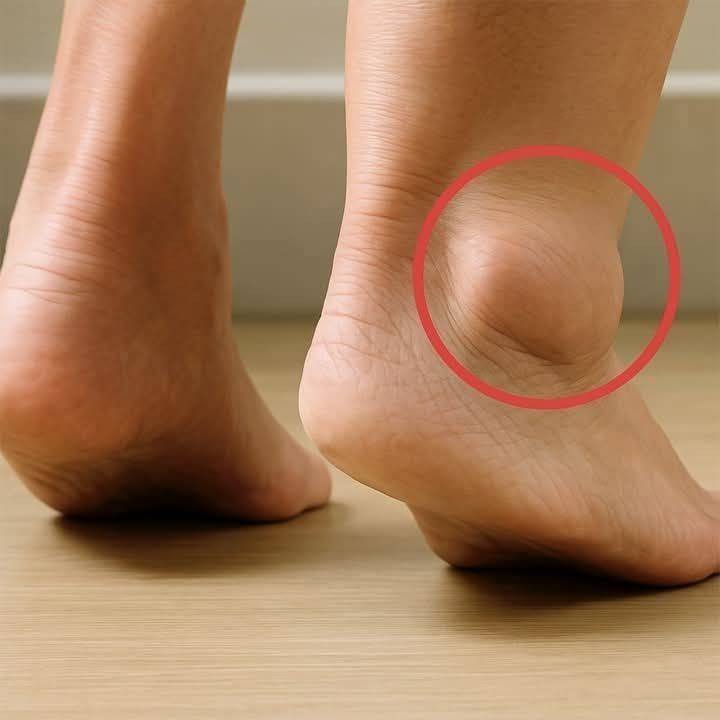
Swollen Legs and Feet can catch you off guard at the end of a long day. You loosen your shoes, glance down, and notice your ankles look fuller than usual. Your feet may feel heavy, tight, or mildly tender. While that sensation can feel unsettling, Swollen Legs and Feet are often your body’s calm way of asking for balance, rest, and gentle care.
Swollen Legs and Feet are incredibly common, especially during warm weather, long hours of sitting or standing, or periods of dehydration. In most cases, this swelling is temporary and responds well to simple, natural adjustments. Understanding what your body is communicating allows you to respond with confidence rather than worry.
A Personal Moment of Noticing and Listening
I first paid attention to Swollen Legs and Feet during a particularly busy season. By evening, my socks left faint marks, and my shoes felt snug. At first, I ignored it. Then I paused. I elevated my legs, drank water, and took a slow walk outside. The swelling eased. That small experience taught me an important lesson: my body wasn’t breaking down. It was asking for partnership.
What Causes Swollen Legs and Feet in Everyday Life
Fluid Shifts and Gravity
Swollen Legs and Feet often result from fluid temporarily pooling in the lower extremities. Gravity naturally pulls fluid downward, especially when you sit or stand for long stretches. Heat also plays a role, as warmer temperatures cause blood vessels to relax and widen.
These changes allow small amounts of fluid to move into surrounding tissues. The result is soft, mild swelling that usually improves with movement or rest.
Salt, Hydration, and Hormonal Changes
Sodium encourages the body to hold onto water. When meals contain more salt than usual, Swollen Legs and Feet can appear quickly. At the same time, dehydration paradoxically worsens swelling. When fluids are low, the body conserves water defensively.
Hormonal shifts, pregnancy, and certain medications can also influence fluid balance. In these cases, swelling reflects adaptation rather than damage.
When Swollen Legs and Feet Deserve Closer Attention
Signs That Call for Medical Guidance
Although Swollen Legs and Feet are often harmless, some patterns deserve evaluation. Persistent swelling that does not improve after several days should be discussed with a healthcare provider. Uneven swelling, especially when one leg is much larger than the other, also requires attention.
Redness, warmth, pain, or fever alongside swelling may indicate infection or circulation issues. Pitting edema, where an indentation remains after pressing the skin, can signal underlying concerns. Shortness of breath or sudden weight gain paired with swelling should never be ignored.
Seeking care is not about fear. It is about honoring your well-being.
Gentle, Natural Ways to Ease Swollen Legs and Feet
Elevation and Rest
One of the simplest remedies for Swollen Legs and Feet is elevation. Lying down and resting your legs slightly above heart level for 15 to 20 minutes allows gravity to assist fluid return. Repeating this a few times a day often brings noticeable relief.
This practice signals safety and rest to the nervous system while supporting circulation.
Movement That Encourages Flow
Gentle movement acts like a natural pump for the legs. Walking, ankle circles, calf stretches, and light foot movements improve blood and lymph flow. Even small movements while seated reduce fluid buildup.
Consistency matters more than intensity. Frequent gentle motion supports long-term comfort.
Daily Habits That Reduce Swollen Legs and Feet
Hydration and Sodium Awareness
Steady hydration helps the body release excess fluid rather than retain it. Sipping water throughout the day works better than drinking large amounts all at once.
Reducing processed foods often lowers sodium intake naturally. Cooking at home and seasoning lightly allows better control and supports fluid balance.
Clothing and Footwear Choices
Tight socks, narrow shoes, or snug bands around the calves can restrict circulation. Choosing comfortable, supportive footwear gives your legs room to adapt.
In some cases, compression socks may help, especially during long travel or extended standing. A healthcare provider can guide appropriate use.
The Emotional Side of Swollen Legs and Feet
Reframing the Experience
Swollen Legs and Feet do not mean your body is failing. They are a form of communication. When you respond with care rather than frustration, symptoms often ease more quickly.
Small pauses throughout the day, moments of movement, and mindful hydration all signal cooperation rather than resistance.
Building Trust With Your Body
Over time, noticing patterns helps you anticipate and prevent swelling. You learn which days need more movement, more water, or more rest. This awareness builds confidence and reduces anxiety.
FAQ About Swollen Legs and Feet
Are Swollen Legs and Feet always serious?
No. They are often temporary and related to daily habits or environmental factors.
Does drinking more water really help swelling?
Yes. Proper hydration helps the body release retained fluid.
Can heat make swelling worse?
Yes. Warm temperatures relax blood vessels and can increase swelling.
When should I worry about swelling?
If it is persistent, painful, uneven, or accompanied by other symptoms.
Can gentle exercise reduce swelling?
Yes. Movement supports circulation and lymph flow.
Conclusion: Meeting Swollen Legs and Feet With Kindness
Swollen Legs and Feet are not a flaw. They are feedback. When you respond with elevation, movement, hydration, and awareness, your body often returns to balance naturally.
Honor the message rather than fighting it. A few minutes of care, a glass of water, or a short walk can make all the difference. Your body carries you through every day. Listening to it is one of the most powerful forms of self-respect.



Leave a Reply