
Knowing whether an egg is fresh is one of the most important steps in safe and satisfying cooking. Because eggs are used in so many recipes—from breakfast classics to baked goods—understanding freshness ensures better texture, flavor, and safety. Many home cooks wonder how to test an egg before using it, and the good news is that there are several simple, reliable methods anyone can perform. Each technique helps you confirm whether an egg is fresh, slightly aged, or spoiled. By learning how to determine when an egg is fresh, you’ll cook with more confidence and prevent unnecessary waste.
My appreciation for freshness testing began when I helped my grandmother in the kitchen. She collected eggs daily from her backyard hens and refused to crack one open without checking it first. I watched her swirl eggs, sniff them, and place them in bowls of water as if she had done it her whole life. Later, I realized she used these tests because they never failed her. Those early memories taught me that simple techniques can make a big difference in cooking success. Today, these traditional methods remain as relevant as ever and form the foundation of egg safety in home kitchens.
Understanding Why Egg Freshness Matters
How Egg Quality Changes Over Time
As eggs age, their internal structure slowly changes. Although refrigerated eggs remain safe for weeks, the air cell inside expands, the white becomes thinner, and the yolk loses firmness. These changes affect texture and performance in recipes. When an egg is fresh, it offers a rich, rounded yolk and a thick white that holds shape. Older eggs still work well for boiling or baking, but spoiled eggs must always be discarded immediately.
Understanding these changes helps home cooks choose the right eggs for different dishes. Fresh eggs shine in fried and poached recipes. Slightly older eggs peel more easily when boiled. Learning how to determine freshness helps you make informed choices in the kitchen every day.
Why Safety Depends on Freshness
Spoiled eggs pose a risk for foodborne illness. Using reliable freshness tests ensures you avoid unpleasant odors, off colors, and harmful bacteria. These methods are simple and inexpensive, making them accessible for families, bakers, and anyone who keeps eggs on hand. When used regularly, these tools provide peace of mind and help maintain a safe kitchen environment.
Because freshness varies from carton to carton, these tests offer clarity when dates become confusing. Relying on appearance and behavior ensures accuracy, even if labels are faded or unclear.
The Float Test: A Popular and Reliable Method
How the Float Test Works
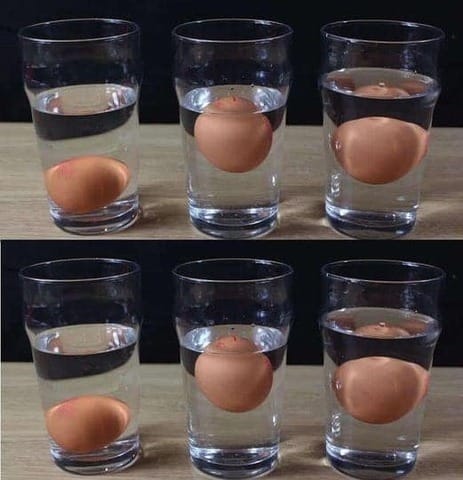
The float test remains one of the best-known ways to check whether an egg is fresh. Because eggshells are porous, air enters naturally over time. The more air inside the shell, the more buoyant the egg becomes. To perform this test, fill a bowl with cold water and gently place the egg into it.
When an egg is fresh, it sinks and lies flat on its side. If the egg sinks but tilts upward, it is older but still safe to eat. When an egg floats, it indicates spoilage or advanced aging and should be discarded.
Why This Test Is So Effective
The float test is based on density and gives an immediate visual answer. It does not require cracking the egg or guessing based on appearance alone. Because the method uses only water, it fits perfectly into any kitchen routine. It also prevents wasting eggs that might still be safe and helps identify any spoiled eggs before cracking them open.
The Sniff Test: The Most Definitive Approach
How to Perform the Sniff Test
Crack the egg into a clean bowl and bring it close to your nose. A fresh egg has a neutral scent, while a spoiled egg releases a strong sulfur-like odor. This method works every time because the smell of spoilage is unmistakable.
When to Use the Sniff Test
This test is ideal when the float test shows mixed results or when a recipe requires cracking multiple eggs at once. Because each egg may differ in freshness, checking individually ensures only the best ingredients enter your dish. When in doubt, rely on smell—it is the clearest indicator of whether an egg is fresh or spoiled.
The Shake Test: A Quick Sound-Based Check
How the Shake Test Works
Hold the egg close to your ear and shake it gently. If you do not hear movement inside, the egg is likely fresh. If you hear sloshing, the internal liquid has broken down, indicating an older or potentially spoiled egg.
Why Sound Reveals Freshness
As eggs age, the yolk and white lose structure and become watery. The shake test provides a simple way to sense these internal changes without cracking the shell. While not as definitive as the sniff test, it offers a fast and helpful starting point.
The Candling Test: A Traditional Farm Method
How to Candle an Egg
In a dark room, shine a bright light or flashlight behind the egg while holding it at an angle. Observe the air cell and the movement inside the shell. Fresh eggs show a small air pocket with minimal internal movement. Older eggs display larger air cells and more shifting inside.
Why Candling Works
Farmers have used candling for generations because it highlights the structural changes that occur naturally over time. The size of the air cell reveals aging, and the clarity of the contents reflects freshness. This method helps determine whether an egg is fresh without cracking it open.
The Crack and Inspect Test
Examining Yolk and White
Crack the egg onto a flat plate. A fresh egg has a firm, rounded yolk and a thick white that stays close to the center. Older eggs spread out more due to weaker internal membranes. If the color looks off or the odor seems unpleasant, discard the egg immediately.
Why This Method Is Useful
Cracking eggs onto a plate allows you to inspect quality before adding them to a recipe. This prevents accidental contamination and gives you control over the final dish. Many bakers rely on this method to maintain high standards in their ingredients.
Checking Dates and Understanding Labels
Sell-By vs. Use-By Dates
Egg cartons often include dates that help guide freshness. A sell-by date refers to when the store should remove the product from the shelf, not when the eggs go bad. Eggs stored properly in the refrigerator often remain good for several weeks beyond this date.
Why Dates Are Helpful
Dates provide a convenient starting point when assessing whether an egg is fresh. Combined with the tests above, they offer a complete picture of egg quality. Because every household stores eggs differently, using dates alongside physical tests ensures accuracy.
A Simple Recipe to Showcase Fresh Eggs
Why This Recipe Works
When an egg is fresh, its flavor and texture shine in simple dishes. This recipe highlights the natural richness of fresh eggs through basic ingredients and minimal steps. It delivers a satisfying meal you can enjoy at any time of day.
Fresh-Egg Country Omelet
A comforting, easy omelet that uses fresh eggs to their fullest potential. This recipe works beautifully for breakfast, brunch, or a quick protein-rich meal.
FAQ
How long do eggs last in the refrigerator?
Most refrigerated eggs stay fresh for three to five weeks.
Can eggs be frozen?
Yes, but crack and mix them before freezing.
Is a floating egg always spoiled?
Not always, but it is usually old enough to discard.
Should eggs be washed?
Store-bought eggs should not be washed, as this can remove protective coating.
Why do fresh eggs look different when cooked?
Their thicker whites and firmer yolks hold shape more effectively.
Conclusion
Learning how to determine whether an egg is fresh protects your recipes, supports safe cooking, and reduces waste. Simple methods such as the float test, sniff test, shake test, candling test, and inspection test provide clear answers. When combined with mindful storage and date checking, these techniques give you complete confidence in your eggs every time you cook. Fresh ingredients lead to better meals, and knowing how to identify freshness helps ensure a safe and delicious experience.




Leave a Reply