
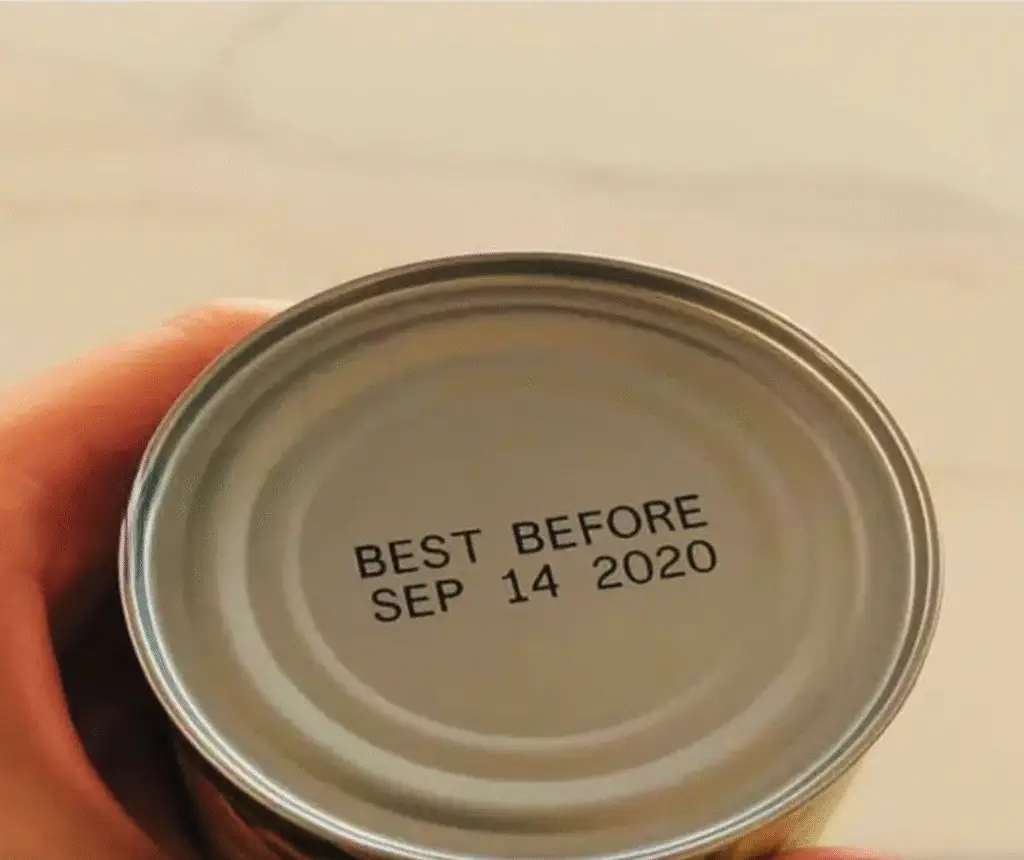
Understanding Best By dates is one of the simplest yet most misunderstood parts of food storage. Because canned foods and packaged goods often last far longer than people assume, these labels frequently lead to accidental waste. Many shoppers toss out perfectly good cans simply because they believe the date is an expiration mark. In reality, Best By dates refer to quality, not safety, and learning how to read them correctly can save money, reduce waste, and help you use your pantry with more confidence.
My own interest in understanding Best By dates began years ago when I helped clean out an elderly relative’s pantry. Dozens of cans—many still safe—were tossed out because she believed the printed dates meant the food had expired. After researching food safety and proper interpretation of labels, I realized how common this misinformation is. That experience inspired me to look deeper into how canned goods are regulated, how long they actually last, and how much good food gets wasted because of confusion. The more I learned, the more comfortable I became using and storing canned products with confidence.
What Best By Really Means
The Purpose of Best By Labels
Manufacturers use the Best By date to communicate the period during which their product maintains peak quality. This date reflects texture, taste, aroma, and appearance—not whether the food is safe to eat. Because canned and shelf-stable foods undergo heat processing and airtight sealing, they often remain perfectly safe long after their printed date.
The term also helps consumers plan purchases with quality in mind. When you see a Best By date, think of it as a recommendation, not a warning. As long as the can remains intact, the food inside may remain high quality for years beyond that date.
The Difference Between Best By and Best Before
Although the two terms are often used interchangeably, both refer to the same concept: optimal quality. Best Before simply represents another version of the manufacturer’s suggested timeframe. Neither term should be confused with Use By dates, which appear on perishable foods such as dairy or deli items and refer to safety.
Understanding this distinction is essential. Because canned products are non-perishable, their Best By or Best Before dates rarely indicate spoilage. Instead, these labels help you enjoy the best possible experience while still allowing safe consumption afterward if storage conditions were proper.
How Long Canned Food Really Lasts
Shelf Stability and Why Canned Goods Last Years
Canned foods undergo a heating process that eliminates harmful bacteria and seals the contents within an oxygen-free environment. When stored in a cool, dry place, this creates exceptional longevity. Many canned vegetables, soups, fruits, and meats remain safe to eat several years beyond the printed date.
Texture may change over time—peas might soften or colors may fade slightly—but the food remains safe as long as the can retains structural integrity. When evaluating older cans, rely on visual inspection rather than the printed date alone.
How to Identify Spoilage in Canned Foods
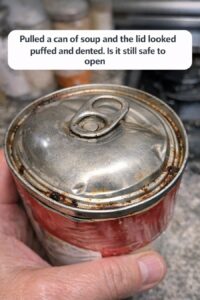
Because Best By dates do not measure safety, you should check for physical signs of spoilage. A can should be discarded if it shows:
- Bulging sides or ends
- Leaks or rust
- Deep dents along seams
- Foul smell upon opening
- Foaming or spurting liquid
- Discoloration that appears unusual for the product
These signs indicate compromised sealing or contamination. When in doubt, trust your senses—not the printed date.
Making the Most of Canned Foods
Smart Storage for Long-Term Quality
Storing canned goods correctly extends their usable life. Keep them in a cool, dry area away from sunlight and heat sources. Avoid basements with moisture or garages that experience temperature extremes. Organize your pantry using a first-in, first-out method. This ensures the oldest items are used first while keeping everything easy to access.
After opening a can, transfer remaining contents into an airtight glass or plastic container before refrigerating. Open cans should never be placed directly in the refrigerator for storage because the exposed metal can affect flavor.
Using Canned Foods in Everyday Cooking
Canned foods offer convenience and reliability. Because they are pre-cooked, they shorten meal preparation time. Adding canned tomatoes to soups or pasta sauces adds depth without requiring long simmering. Canned beans provide protein and fiber without soaking or boiling. Canned fruits can complement breakfasts, desserts, or smoothies.
Another advantage is cost savings. Canned goods often remain affordable year-round, making them ideal for budget-conscious meal plans. When combined with fresh ingredients, they help create nutritious, satisfying meals quickly.
Tips for Using Canned Food Effectively
Build Flavor Through Rinsing and Seasoning
Canned vegetables and beans often contain added sodium. Rinsing them under cold water helps reduce salt and freshen flavor. Incorporating herbs, spices, and aromatics revitalizes canned ingredients. For example, sautéing onions and garlic before adding canned tomatoes creates a richer base for soups and sauces.
Combine Canned and Fresh Ingredients
Pairing canned foods with fresh produce enhances texture and nutrition. Canned tuna becomes a complete meal when combined with chopped vegetables, lemon juice, and herbs. Canned corn and beans add body to fresh salads. A can of pumpkin can transform oatmeal into a comforting seasonal breakfast.
Mixing pantry staples with fresh items creates balanced dishes without extensive preparation.
Safety Reminders for Canned Goods
When to Discard Canned Foods
If a can appears rusty, swollen, leaking, or severely dented, discard it immediately. These symptoms indicate risk of contamination. Similarly, any product with an unusual odor or texture after opening should not be eaten. Even if the Best By date has not passed, defects in the can override the printed recommendation.
Proper Utensils and Clean Handling
Always use clean utensils when scooping from opened canned foods. Cross-contamination can shorten shelf life and affect safety. Follow label instructions for refrigeration and consume opened contents within the recommended timeframe.
Pantry-Friendly Recipe: The Perfect Use for Canned Tomatoes
Why This Recipe Works
This easy canned tomato soup highlights the convenience and comfort of pantry staples. It uses simple seasonings and requires minimal preparation. Because canned tomatoes remain flavorful long after their Best By date, this recipe demonstrates how to maximize shelf-stable ingredients without compromising taste.
Pantry-Friendly Canned Tomato Soup
This soup comes together quickly, relies on common pantry ingredients, and delivers a smooth, comforting meal ideal for busy days. With minimal effort, you can transform a humble can of tomatoes into something deeply satisfying.
FAQ
Are foods safe after the Best By date?
Yes, for canned and shelf-stable items. The date reflects quality, not safety.
How long do unopened canned foods last?
Most remain safe for years as long as the can stays intact and properly stored.
Should dented cans be thrown away?
Only cans with deep dents on seams or signs of bulging, rusting, or leaking should be discarded.
Can canned food lose flavor over time?
Yes, quality slowly declines after the Best By date, but safety remains intact.
How should canned food be stored?
Keep cans in a cool, dry place and refrigerate contents only after transferring to airtight containers.
Conclusion
Understanding how to interpret Best By dates prevents unnecessary waste and empowers you to use pantry staples more confidently. Because these dates refer to quality rather than safety, learning to evaluate a can by its physical condition and proper storage practices helps you keep your kitchen efficient and economical. With the right knowledge, canned foods become a reliable foundation for simple, nutritious, and flavorful meals.

Leave a Reply