
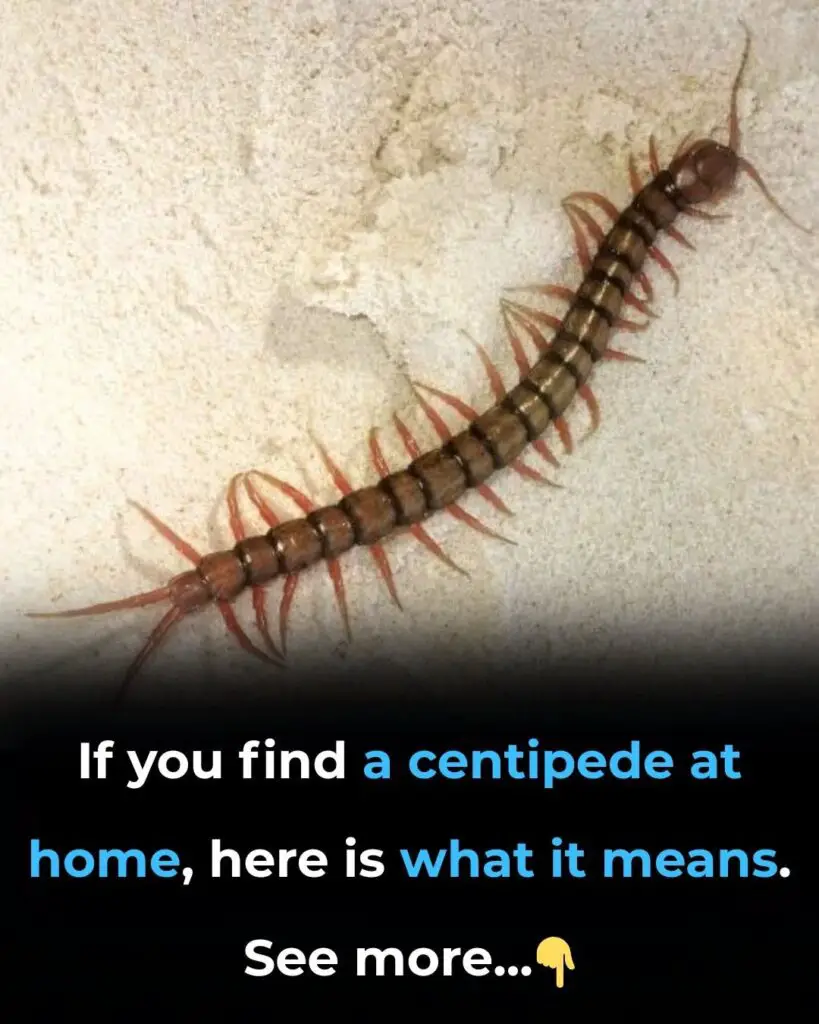
Natural Pest Control Experts
One of the biggest misconceptions about centipedes is that they are pests themselves.
In reality, they spend most of their time hunting pests that homeowners genuinely want to eliminate.
Their diet commonly includes:
- Ants
- Silverfish
- Cockroaches
- Spiders
- Termite nymphs
- Small flies
- Bed bugs
- Other household insects
Because they actively reduce populations of nuisance insects, house centipedes function as natural pest control agents.
Many pest management experts even describe them as beneficial predators within the home ecosystem.
They Rarely Harm Humans
Another common fear involves the possibility of being bitten.
While house centipedes technically possess venom used to subdue prey, bites to humans are uncommon.
In the rare event that a bite occurs, symptoms are generally mild and may resemble:
- Minor swelling
- Temporary redness
- Mild discomfort
Most healthy individuals experience no significant medical consequences.
Additionally, house centipedes do not spread disease and are not known to contaminate food or damage property.
What Their Presence Might Be Telling You
You May Have Other Insects
Perhaps the most important message a centipede delivers is that food sources are available.
Because centipedes rely on other insects for survival, frequent sightings may indicate hidden populations of:
- Silverfish
- Ants
- Cockroaches
- Spiders
- Moisture-loving insects
In other words, the centipede is often a symptom rather than the primary issue.
Therefore, if you notice multiple centipedes, it may be worthwhile to investigate potential insect activity elsewhere in the home.
Moisture Could Be Attracting Them
House centipedes thrive in humid environments.
Areas that attract them commonly include:
- Damp basements
- Bathrooms
- Utility rooms
- Leaky plumbing areas
- Poorly ventilated spaces
Consequently, recurring sightings may signal excess moisture that deserves attention.
Reducing humidity levels often decreases both centipede activity and the insect populations they feed upon.
How to Manage Centipedes Without Panic
Prevention Strategies
If you prefer not to share your living space with centipedes, simple environmental adjustments can help.
Effective strategies include:
- Repairing water leaks
- Improving ventilation
- Using dehumidifiers
- Sealing cracks and entry points
- Removing clutter
- Addressing insect infestations
Because centipedes depend on prey, reducing insect populations naturally reduces their numbers as well.
When Professional Help May Be Needed
Occasional sightings are normal and usually not cause for concern.
However, frequent encounters may justify further investigation.
Consider consulting a pest management professional if:
- You regularly see multiple centipedes.
- Other insect infestations are present.
- Moisture problems persist.
- Large numbers appear unexpectedly.
A professional inspection can identify underlying issues and recommend appropriate solutions.
Frequently Asked Questions
Are house centipedes dangerous?
No. House centipedes are generally harmless to humans and rarely bite.
Does finding a centipede mean my house is dirty?
Not necessarily. Centipedes are attracted primarily by prey and moisture, not dirt.
What do centipedes eat?
They feed on various household pests, including ants, silverfish, cockroaches, spiders, and other small insects.
Should I kill a house centipede?
Many experts recommend leaving them alone or relocating them outdoors because they help control other pests.
Why do I keep seeing centipedes in my bathroom?
Bathrooms often provide moisture and humidity, creating ideal conditions for both centipedes and the insects they hunt.
Conclusion
Finding a Centipede at Home? Here’s What It Really Means (Hint: It’s Not All Bad News) offers a more balanced perspective on one of the most misunderstood household creatures. While their appearance may be unsettling, house centipedes often serve as beneficial predators that help control populations of less desirable pests.
Rather than signaling danger, a centipede’s presence usually points to available prey or excess moisture within the home. By understanding their role and addressing any underlying environmental factors, homeowners can make informed decisions without unnecessary fear. Sometimes the creature that startles you the most is actually helping keep other household pests under control.


Leave a Reply