
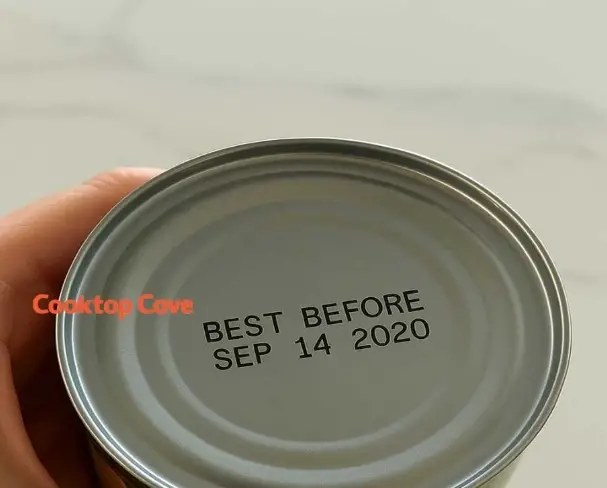
Walk through any pantry, refrigerator, or grocery store aisle, and you’ll find countless food products displaying dates on their packaging. Many shoppers glance at these dates and assume they represent a strict expiration deadline. As a result, perfectly good food often ends up in the trash simply because the printed date has passed.
Among the most misunderstood labels are “Best By” and “Best Before” dates. While these phrases may sound like warnings about food safety, they usually serve a very different purpose. In most cases, they indicate when a product is expected to maintain its best flavor, texture, color, and overall quality—not when it suddenly becomes unsafe to eat.
This misunderstanding contributes significantly to food waste around the world. Millions of pounds of edible food are discarded every year because consumers mistakenly believe that a quality date is the same as an expiration date.
Understanding what these labels actually mean can help you save money, reduce waste, and make more informed decisions about the food you buy and consume. Let’s take a closer look at what “Best By” and “Best Before” dates really mean, why canned foods last so long, and how to determine whether food is still safe to eat.
Understanding Food Date Labels
Food packaging contains several different date labels, and each serves a unique purpose. Unfortunately, the wording often creates confusion.
What Does “Best By” Mean?
A “Best By” date is primarily a quality indicator established by the manufacturer. It tells consumers when the product is expected to be at its peak condition.
Before this date, the manufacturer believes the food will offer:
- Optimal flavor
- Best texture
- Freshest appearance
- Highest quality experience
After this date, the product may gradually lose some quality characteristics. However, that does not automatically mean the food has spoiled.
For example, a box of crackers might become slightly less crisp after its Best By date. A canned vegetable might experience minor texture changes over time. The food can still remain safe to consume if stored properly.
What Does “Best Before” Mean?
“Best Before” carries a very similar meaning.
Manufacturers use this label to indicate the period during which the product is expected to maintain its intended quality.
Again, this date typically refers to:
- Taste
- Texture
- Freshness
- Appearance
It is not usually a safety deadline.
Many shelf-stable products remain perfectly usable after their Best Before date, provided they have been stored according to package instructions and show no signs of spoilage.
Why So Many People Misunderstand These Dates
The confusion surrounding food labels is understandable.
Most consumers naturally associate dates with expiration. Seeing a date printed prominently on packaging creates the impression that crossing that date somehow transforms safe food into dangerous food.
However, food quality does not work that way.
Quality declines gradually rather than instantly. A can of soup does not suddenly spoil at midnight on the printed date. Instead, flavor and texture may slowly change over time.
Several factors contribute to the misunderstanding:
Similar Wording
Terms like:
- Best By
- Best Before
- Use By
- Sell By
- Enjoy By
can appear interchangeable to consumers.
In reality, these labels often serve different purposes.
Lack of Consumer Education
Many people never receive clear information about what food date labels actually mean.
Without explanation, it is easy to assume every date functions as an expiration date.
Fear of Foodborne Illness
Food safety is important, and consumers naturally want to avoid risks.
When uncertain, many people choose to throw food away rather than evaluate its condition.
While caution is understandable, it can also result in unnecessary waste.
Why Canned Foods Have Such Long Shelf Lives
Canned foods are among the most durable products available in grocery stores.
Many canned items remain usable long after their Best By dates because of how the canning process works.
Airtight Sealing
During manufacturing, food is sealed inside an airtight container.
This process helps prevent contamination from:
- Air
- Moisture
- Bacteria
- Mold
- Other environmental factors
Without exposure to outside contaminants, food remains stable much longer.
Heat Processing
Manufacturers heat canned foods to temperatures that destroy harmful microorganisms.
This process significantly reduces the risk of bacterial growth.
The result is a product designed for extended storage.
Protection from Light and Oxygen
Light and oxygen accelerate food degradation.
Metal cans provide strong protection against both.
This protective barrier helps preserve quality for extended periods.
Stable Storage Conditions
Unlike many fresh foods, canned products do not require refrigeration until opened.
When stored in a cool, dry environment, they remain remarkably stable.
This is one reason canned foods have become pantry staples around the world.
The Difference Between Quality and Safety
One of the most important concepts to understand is the distinction between food quality and food safety.
Quality
Quality refers to characteristics such as:
- Flavor
- Texture
- Color
- Aroma
- Appearance
These qualities may gradually decline over time.
For example:
- Crackers may lose crunch.
- Cereal may become stale.
- Vegetables may soften slightly.
- Sauces may experience texture changes.
These changes do not necessarily make food unsafe.
Safety
Safety refers to whether consuming the food could cause illness.
Safety concerns typically arise when food becomes contaminated by:
- Harmful bacteria
- Mold
- Improper storage
- Damaged packaging
A product can lose quality while remaining safe.
Likewise, a product can become unsafe even before its printed date if storage conditions are poor or packaging is compromised.
Understanding this distinction helps consumers make smarter decisions.
When You Should Throw Away a Can
Although many canned foods remain usable after their Best By date, certain warning signs should never be ignored.
Bulging Can
A swollen or bulging can may indicate gas production inside the container.
This can result from microbial growth and potential contamination.
Discard bulging cans immediately.
Leaking Container
Any sign of leakage suggests the seal has been compromised.
Once the seal fails, contamination becomes possible.
Do not consume leaking canned foods.
Significant Rust Damage
Small surface rust may not always be problematic.
However, rust that creates holes or weakens the container can compromise safety.
When in doubt, discard the product.
Dented Seams
Deep dents near the seams or lid may damage the airtight seal.
This increases contamination risk.
Inspect heavily dented cans carefully.
Unpleasant Odor
When opening canned food, pay attention to smell.
A strong unpleasant odor may indicate spoilage.
Never taste food to determine whether it is safe.
Foaming or Spurting Liquid
Unexpected foam, bubbling, or liquid spurting from a newly opened can can signal bacterial activity.
Dispose of the product immediately.
Understanding Botulism Risks
One reason damaged cans deserve serious attention is the risk of botulism.
Botulism is a rare but potentially life-threatening illness caused by toxins produced by certain bacteria.
Although commercial canning practices are designed to prevent this problem, compromised containers can create conditions that allow bacterial growth.
Warning signs include:
- Bulging cans
- Leaking cans
- Spurting liquid
- Unusual odors
Because botulinum toxins may not always be visible, consumers should never take chances with suspicious canned foods.
If something appears abnormal, throw it away.
Best By vs Use By vs Sell By
Many consumers assume all food labels mean the same thing.
They do not.
Best By
Primarily indicates quality.
The manufacturer expects the product to be at its best before this date.
Best Before
Also generally refers to quality.
The food may remain usable afterward if stored properly.
Use By
This label may be more important for highly perishable foods.
Consumers should pay closer attention to Use By dates on products that spoil quickly.
Sell By
This date helps retailers manage inventory.
It tells stores how long to display products for sale.
Consumers can often use products safely after the Sell By date.
Common Food Waste Mistakes
Millions of households make the same mistakes every year.
Throwing Food Away Too Early
Many products are discarded solely because the date has passed.
Often, the food remains perfectly usable.
Ignoring Storage Conditions
Storage conditions frequently matter more than the printed date.
Heat, moisture, and improper handling can shorten shelf life.
Confusing Quality with Safety
A slight decline in quality does not necessarily indicate danger.
Many foods remain safe despite minor texture or flavor changes.
Not Inspecting the Product
Dates provide guidance, but physical inspection remains important.
Always evaluate packaging and product condition.
How to Determine Whether Canned Food Is Still Good
Before using canned food, perform a simple inspection.
Step 1: Check the Exterior
Look for:
- Bulges
- Leaks
- Rust damage
- Severe dents
If any major issues exist, discard the can.
Step 2: Examine the Seal
Ensure the seal remains intact.
Compromised seals increase contamination risk.
Step 3: Open Carefully
Listen for unusual sounds and observe the contents.
Unexpected foaming or spurting liquid is a warning sign.
Step 4: Inspect Appearance
Food should look reasonably normal for the product type.
Major discoloration or unusual growth indicates spoilage.
Step 5: Smell the Product
A strong unpleasant odor suggests the food should be discarded.
Step 6: When in Doubt, Throw It Out
No amount of food savings is worth risking illness.
If something seems questionable, dispose of it safely.
The Financial Impact of Misunderstanding Date Labels
Food waste affects more than household kitchens.
It also affects family budgets.
When consumers discard food prematurely, they essentially throw away money.
Over time, these losses add up.
Understanding food labels allows households to:
- Reduce waste
- Save money
- Manage pantry inventory more effectively
- Shop more efficiently
A little knowledge can lead to significant long-term savings.
Environmental Benefits of Reducing Food Waste
Food waste also carries environmental consequences.
Producing food requires:
- Water
- Energy
- Land
- Transportation
- Packaging
When edible food ends up in landfills, those resources are wasted as well.
Reducing unnecessary disposal helps conserve valuable resources.
By learning how to evaluate food properly, consumers can contribute to more sustainable food systems while saving money at home.
Practical Storage Tips for Canned Foods
Proper storage helps maximize shelf life.
For best results:
- Store cans in a cool location.
- Keep them dry.
- Avoid excessive heat.
- Rotate pantry stock regularly.
- Use older products first.
- Check packaging periodically.
Good storage practices help maintain both quality and safety.
Final Thoughts
The phrase “Best By” or “Best Before” often causes unnecessary concern, but these labels usually refer to quality rather than safety.
Many canned foods remain usable after the printed date if they have been stored properly and their packaging remains intact.
The key is understanding the difference between declining quality and actual spoilage. While flavor and texture may gradually change over time, safety depends largely on packaging integrity, storage conditions, and visible signs of contamination.
Always inspect canned foods carefully. Discard any can that is bulging, leaking, heavily rusted, severely damaged, or shows signs of spoilage when opened.
By understanding what food date labels really mean, consumers can reduce waste, save money, make informed decisions, and avoid throwing away perfectly good food simply because a date has passed.
The date on the package is a useful guide—but it is not always an automatic signal that food belongs in the trash.


Leave a Reply