
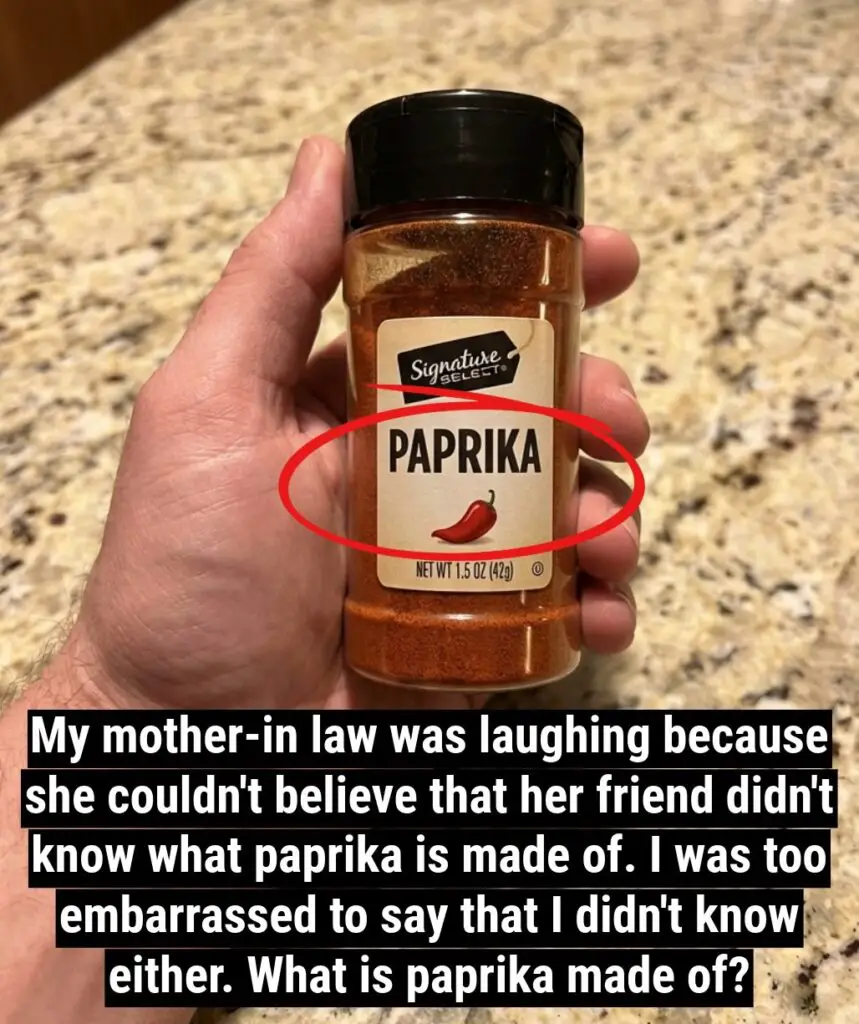
Paprika is one of the most familiar spices in kitchens around the world. It adds color to deviled eggs, depth to stews, warmth to roasted vegetables, and character to countless traditional dishes. Yet recently, social media has been flooded with alarming claims:
- “Paprika isn’t what you think it is!”
- “It’s made from bugs!”
- “You’ve been lied to about paprika!”
These headlines spread fast—and understandably made many people uneasy. After all, paprika looks different from fresh peppers, and most of us never see how it’s made.
So let’s clear the confusion once and for all.
Paprika is 100% plant-based.
It is made from dried peppers—nothing more, nothing less.
In this article, we’ll explore:
- What paprika is really made of
- Why the internet rumors started
- The different types of paprika
- How it’s produced
- Its health benefits
- How to choose and store it properly
By the end, you’ll not only feel reassured—you’ll probably appreciate paprika more than ever.
What Paprika Actually Is (No Myths, Just Facts)
Paprika is a spice made by drying and grinding peppers, specifically varieties of Capsicum annuum.
This plant species also includes:
- Bell peppers
- Chili peppers
- Poblano peppers
- Anaheim peppers
The peppers used for paprika are typically:
- Sweet or mildly spicy
- Thin-skinned
- Deep red when fully ripe
After harvesting, the peppers are dried (by air, sun, or smoke), then ground into a fine powder. That’s it.
No insects. No artificial coloring. No secret ingredients.
Why Did the “Paprika Is Made From Bugs” Rumor Start?
The confusion likely comes from a mix of misunderstanding and misinformation.
1. Confusion with Carmine (A Different Food Coloring)
Carmine (also called cochineal extract or E120) is a red dye made from insects. It is used in:
- Some candies
- Yogurts
- Cosmetics
- Drinks
However:
- Carmine is NOT paprika
- Paprika does not contain carmine
- They are regulated and labeled separately
Paprika gets its red color naturally from carotenoids in peppers, not insects.
2. Misunderstanding Food Safety Regulations
Some viral posts claim that paprika contains insects because food laws allow “trace amounts of bugs.”
The truth:
- All agricultural foods (including fruits, grains, and vegetables) may contain tiny trace particles due to natural farming conditions
- This applies to everything, from flour to peanut butter
- It does NOT mean paprika is made from insects
Paprika is still a plant-based spice.
3. Shock Content for Clicks
Social media thrives on outrage and surprise. Saying “paprika is ground peppers” doesn’t go viral—but saying “you won’t believe what paprika is made of” does.
Unfortunately, accuracy often gets lost along the way.
The Plant Behind Paprika: Capsicum annuum
Capsicum annuum is one of the most important food plants in the world.
It produces:
- Sweet peppers
- Hot peppers
- Paprika peppers
Paprika peppers are allowed to:
- Fully ripen (deep red)
- Develop sugars and pigments
- Dry naturally for maximum flavor
This is why paprika tastes richer and looks darker than fresh bell peppers.
Types of Paprika: Not All Paprika Is the Same
One reason paprika feels mysterious is that there are many varieties, each with its own flavor profile.
1. Sweet Paprika
- Mild and slightly sweet
- No heat
- Bright red color
- Most common in American kitchens
Used in:
- Deviled eggs
- Potato dishes
- Chicken seasoning
2. Smoked Paprika (Pimentón)
- Dried over wood fires
- Deep smoky flavor
- Rich red-brown color
Popular in:
- Spanish cuisine
- BBQ rubs
- Stews and beans
This paprika is not spicy, just smoky.
3. Hot Paprika
- Made from spicier pepper varieties
- Adds warmth and heat
- Still balanced and flavorful
Common in:
- Hungarian dishes
- Goulash
- Hearty meat stews
4. Hungarian Paprika (A Category of Its Own)
Hungary is famous for paprika and classifies it into multiple grades:
- Sweet
- Semi-sweet
- Hot
- Delicate
- Rose
- Noble sweet
Hungarian paprika is prized for its depth and complexity.
How Paprika Is Made: Step by Step
Understanding the process removes all mystery.
Step 1: Growing the Peppers
- Peppers are grown until fully ripe
- Ripe peppers are red and nutrient-rich
Step 2: Harvesting
- Picked by hand or machine
- Sorted for quality
Step 3: Drying
Methods include:
- Air-drying
- Sun-drying
- Smoke-drying (for smoked paprika)
Drying concentrates flavor and color.
Step 4: Grinding
- Dried peppers are ground into powder
- Seeds and stems may be included or removed depending on desired heat
Step 5: Packaging
- Stored away from light and air to preserve color and flavor
That’s all. A simple, traditional process.
Why Paprika Is So Red
Paprika’s color comes from natural pigments called carotenoids, including:
- Capsanthin
- Capsorubin
- Beta-carotene
These compounds:
- Give paprika its red hue
- Act as antioxidants
- Are also found in carrots and tomatoes
No artificial dyes are needed.
Health Benefits of Paprika
Paprika is more than decoration—it has real nutritional value.
1. Rich in Antioxidants
Paprika contains carotenoids that help:
- Reduce oxidative stress
- Support cellular health
- Protect against inflammation
2. Vitamin A Support
Because it comes from red peppers, paprika contains vitamin A precursors that support:
- Eye health
- Skin health
- Immune function
3. Anti-Inflammatory Properties
Capsaicin (present even in small amounts) may help:
- Reduce inflammation
- Support circulation
- Aid metabolism
4. Low-Calorie Flavor Booster
Paprika adds flavor and color without:
- Sugar
- Fat
- Sodium
This makes it ideal for healthier cooking.
Paprika in World Cuisines
Paprika is globally loved, but used differently depending on culture.
Hungary
- Essential spice
- Used in goulash, stews, sausages
Spain
- Smoked paprika is iconic
- Used in paella, chorizo, beans
United States
- Often used as garnish
- Common in BBQ rubs and comfort food
Middle East & North Africa
- Used in spice blends
- Adds warmth without overpowering heat
How to Choose High-Quality Paprika
Not all paprika on the shelf is equal.
Look for:
- Bright, vibrant color
- Country of origin listed
- Airtight packaging
- Recent packaging date
Avoid:
- Dull brownish powder
- Paprika with no aroma
- Old containers exposed to light
Fresh paprika smells slightly sweet and peppery.
How to Store Paprika Properly
Paprika loses flavor and color if stored incorrectly.
Best practices:
- Keep in an airtight container
- Store in a cool, dark place
- Avoid heat and sunlight
- Do not store above the stove
Properly stored paprika lasts about 6–12 months.
Can Paprika Go Bad?
Paprika doesn’t spoil like fresh food, but it can:
- Lose color
- Lose aroma
- Taste flat
If it smells dusty or has no flavor, it’s time to replace it.
Final Verdict: The Truth About Paprika
Let’s summarize clearly:
✅ Paprika is made from dried peppers
✅ It is completely plant-based
✅ It does NOT contain insects
✅ Its color is natural
✅ It has culinary and health value
The internet rumors may be dramatic—but the truth is simple and reassuring.
Paprika is one of humanity’s oldest, safest, and most beloved spices.
The next time you sprinkle it on eggs or stir it into a stew, you can do so with confidence—knowing exactly what’s in it.

Leave a Reply