
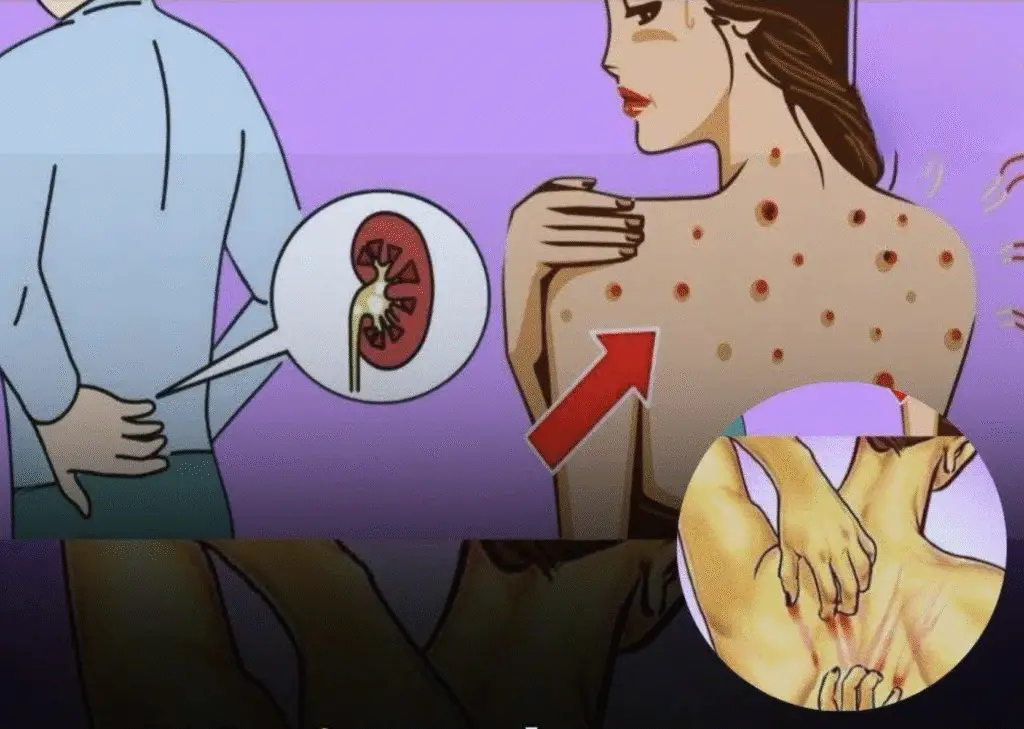
Your kidneys are quiet, tireless workers. Every minute of every day, they filter waste from your blood, balance fluids and electrolytes, regulate blood pressure, support bone health, and help your body produce red blood cells. Yet despite how essential they are, kidney problems often go unnoticed until serious damage has already occurred.
Kidney disease is often called a “silent killer” for a reason. Many people feel mostly fine in the early stages, or they brush off symptoms as stress, aging, or minor issues. Unfortunately, by the time clear symptoms appear, kidney function may already be significantly reduced.
The good news is this: early detection can slow, stop, or even prevent kidney failure. Learning to recognize the warning signs gives you the power to protect your health before irreversible damage occurs.
Understanding the Role of Your Kidneys
You have two kidneys, each about the size of a fist, located just below your ribcage on either side of your spine. Together, they perform extraordinary work.
Every day, your kidneys:
- Filter 120–150 quarts of blood
- Remove waste and excess fluids through urine
- Balance electrolytes like sodium, potassium, and calcium
- Regulate blood pressure
- Produce hormones that support red blood cell production
- Help maintain strong, healthy bones
When kidney function declines, toxins and excess fluid build up in the body. This affects nearly every organ system, which is why kidney disease can cause such a wide range of symptoms.
What Is Kidney Disease?
Kidney disease, also known as chronic kidney disease (CKD), occurs when the kidneys are damaged and can no longer filter blood effectively.
The most common causes include:
- Diabetes (the leading cause)
- High blood pressure
- Autoimmune diseases such as lupus
- Genetic conditions like polycystic kidney disease
- Long-term use of painkillers (NSAIDs)
- Recurrent kidney infections or kidney stones
Without treatment, CKD can progress to kidney failure, requiring dialysis or a kidney transplant. However, when caught early, progression can often be slowed dramatically.
10 Warning Signs Your Kidneys May Be in Trouble
1. Changes in Urination
One of the earliest and most noticeable signs of kidney trouble involves urination.
Watch for:
- Frequent urination, especially at night
- Decreased urine output
- Foamy or bubbly urine (a sign of protein leakage)
- Dark-colored or bloody urine
- Pain or burning during urination
Foamy urine is especially important to notice, as it often signals protein loss — an early marker of kidney damage.
2. Persistent Fatigue and Weakness
Healthy kidneys produce a hormone called erythropoietin, which signals your body to make red blood cells. When kidneys are damaged, anemia can develop.
This may cause:
- Ongoing exhaustion
- Weakness
- Difficulty concentrating
- Pale skin
- Shortness of breath
Many people describe it as a tiredness that rest does not fix.
3. Swelling in the Body (Edema)
When kidneys cannot remove excess sodium and fluid, swelling occurs.
Common areas include:
- Ankles and feet
- Legs
- Hands and fingers
- Face, especially around the eyes
- Abdomen
This puffiness is often worse at the end of the day and may be one of the clearest physical signs of kidney strain.
4. Persistent Back or Side Pain
Kidney pain typically appears as a deep, dull ache just below the ribs, on one or both sides of the spine.
Possible causes include:
- Kidney stones
- Infections
- Cysts
- Tumors
Unlike muscle pain, kidney pain does not improve with movement or position changes.
5. Unexplained Weight Loss and Loss of Appetite
As waste products accumulate in the blood, a condition known as uremia develops.
This can cause:
- Reduced appetite
- Feeling full quickly
- Nausea when thinking about food
- Unintentional weight loss
These symptoms are often seen in more advanced kidney disease.
6. Nausea and Vomiting
Toxin buildup can irritate the stomach lining and digestive system.
Symptoms may include:
- Morning nausea
- Vomiting after meals
- A general sense of stomach discomfort
Because these signs mimic digestive problems, kidney disease is often overlooked as the underlying cause.
7. Difficulty Sleeping
Kidney disease interferes with sleep in several ways:
- Frequent nighttime urination
- Muscle cramps
- Restless leg syndrome
- Sleep apnea, which is more common in CKD patients
Poor sleep further worsens kidney health, creating a harmful cycle.
8. Metallic Taste in the Mouth
A metallic or ammonia-like taste is a classic symptom of uremia.
You may also notice:
- Persistent bad breath
- Food tasting bland or unpleasant
- Decreased enjoyment of meals
These changes often occur gradually and are easy to dismiss at first.
9. Muscle Cramps and Twitching
The kidneys help regulate calcium, phosphorus, and electrolyte balance.
When this balance is disrupted, symptoms may include:
- Painful leg cramps
- Muscle twitching
- Tingling or numbness in the hands or feet
These cramps often occur at night and may become frequent.
10. Itchy, Dry Skin
When waste products remain in the bloodstream, they can irritate nerve endings in the skin.
This leads to:
- Persistent itching, especially at night
- Dry, flaky skin
- Skin discoloration or rash
Unlike ordinary dry skin, this itching does not improve with moisturizer alone.
How to Reduce Your Risk of Kidney Disease
You can protect your kidneys, even if you have risk factors.
- Control blood sugar if you have diabetes
- Manage blood pressure, aiming for under 130/80 mmHg
- Stay hydrated, unless your doctor advises fluid restriction
- Limit salt and processed foods
- Avoid long-term use of NSAIDs like ibuprofen and naproxen
- Get regular check-ups, including blood and urine tests
Early changes in kidney function are often detectable long before symptoms become severe.
When to See a Doctor
If you experience two or more of the warning signs listed above, do not delay medical care.
Ask your healthcare provider about:
- Blood tests (creatinine, eGFR)
- Urine tests (protein or blood)
- Blood pressure monitoring
Early diagnosis can prevent kidney failure and save your life.
Final Thoughts: Listen to the Quiet Signals
Your kidneys do not scream when something is wrong. They whisper.
Fatigue. Swelling. Changes in urination. Sleep problems.
These are not just signs of aging or stress. They may be early warnings that deserve attention.
By acting early, you can:
- Prevent kidney failure
- Avoid dialysis
- Protect your heart and overall health
- Live a longer, healthier life
If something feels off, trust your instincts.
Get tested.
Take action.
Your kidneys work tirelessly for you. Now is the time to return the favor.




Leave a Reply